Rebuilding a war-torn territory isn't just about moving concrete blocks; it's a massive financial and political puzzle. When headlines dropped about a $2.45 billion blueprint spanning sixty-six distinct projects, people naturally wanted to know if it's a realistic roadmap or just another piece of paper. Let's look past the press releases and examine what this six-month recovery strategy actually entails, where the money is supposed to come from, and why real-world obstacles might stall the whole thing.
Breaking Down the Numbers and Projects
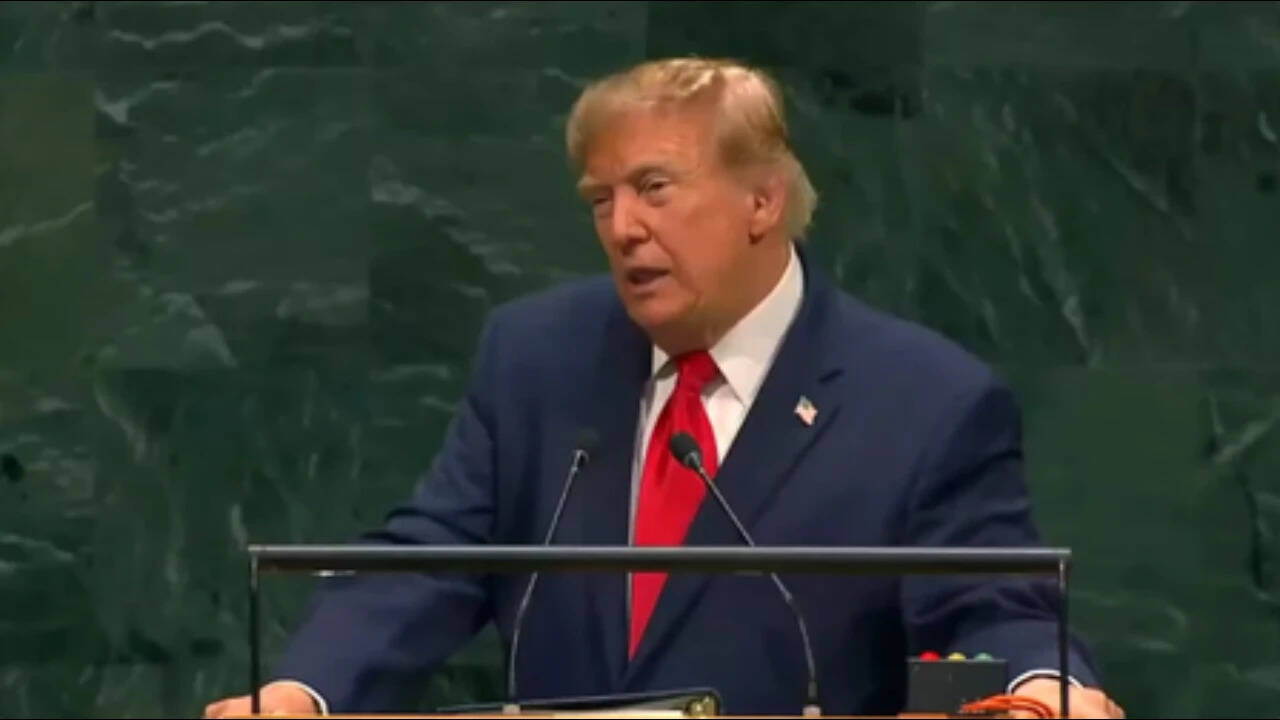
The initiative, rolled out by Donald Trump's Board of Peace, targets immediate stabilization. We're looking at sixty-six targeted interventions designed to tackle the most urgent crises on the ground. Instead of promising a complete urban overhaul overnight, the six-month framework focuses on clearing dangerous rubble, setting up temporary housing solutions for displaced families living in tents, repairing damaged hospitals, and kickstarting basic economic lifelines.
Long-term physical reconstruction estimates run staggering, with some projections climbing past thirty billion dollars for total restoration over the coming years. This initial $2.45 billion tranche functions purely as an emergency down payment. The National Committee for the Administration of Gaza, acting as the local technocratic administrative body, faces the daunting task of distributing these resources efficiently while basic infrastructure remains fractured.
The Funding Dilemma and Donor Hesitation
Announcing a multi-billion-dollar price tag is the easy part. Actually collecting the cash from international donors is entirely different.
During high-level briefings in New York, representatives and foreign diplomats were handed the project catalog with one clear message: pony up. Yet, global donor fatigue is real. Many foreign governments hesitate to release funds until they see verifiable political stability and a functioning security apparatus on the ground. Without firm commitments locked into bank accounts, these sixty-six projects risk remaining digital blueprints rather than physical worksites.
Political Roadblocks on the Ground
Money alone won't fix a security vacuum. The success of this recovery framework depends heavily on moving an international security force into the territory and establishing a new administrative governance model—neither of which has fully materialized.
Key figures like High Representative Nikolay Mladenov have pointed out the obvious friction points. Key factions must agree to substantive disarmament terms, and military operations need scaling back to create a safe working environment for humanitarian engineers and aid workers. When security remains volatile, heavy machinery can't move, and medical supplies can't reach the people who need them most.
The gap between high-level diplomatic pledges and the brutal realities of daily survival in Gaza remains wide. Until political leaders bridge that divide, recovery plans will keep facing severe bottlenecks.
Trumps Board of Peace unveils $2.45B Gaza reconstruction plan
This video provides a direct look at the Board of Peace's blueprint, breaking down the financial commitments and the logistical hurdles standing in the way of reconstruction.