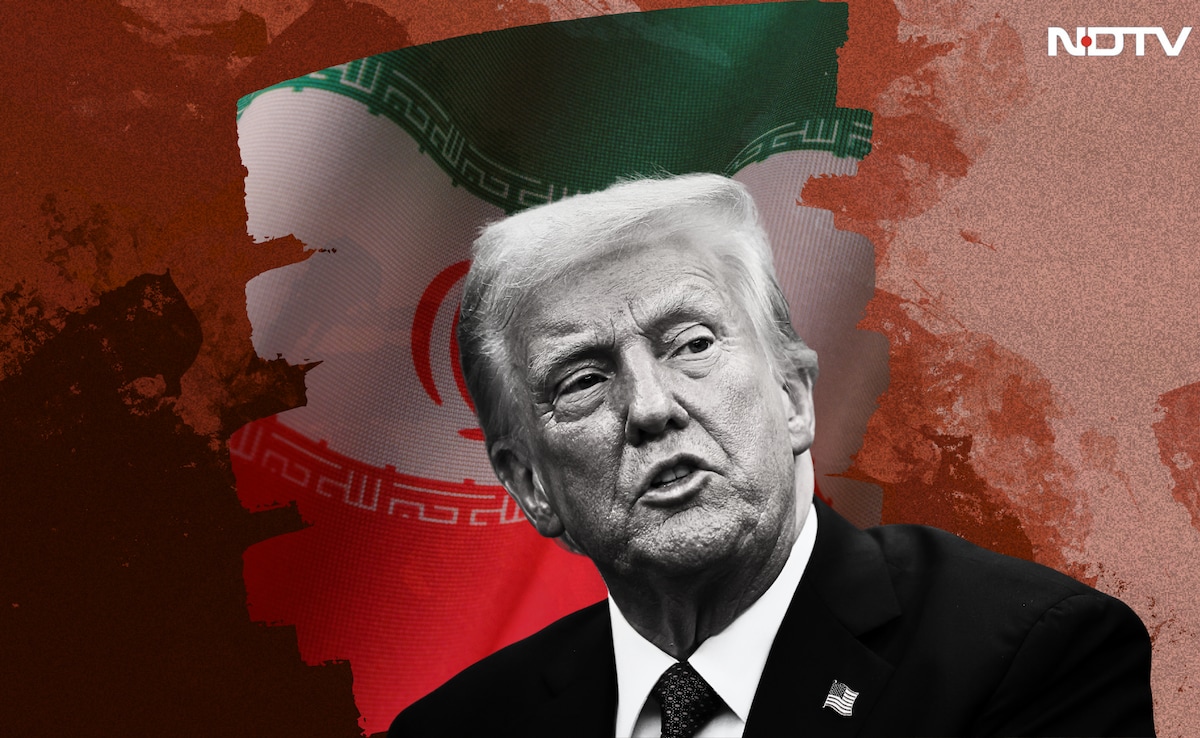
The world stood still on Tuesday night as American B-52s banked away from the Iranian coastline, aborting a mission that President Donald Trump promised would end a "whole civilization." The 8 p.m. deadline, a staple of this administration’s high-stakes diplomacy, passed not with the roar of ordnance but with a flurry of Truth Social posts announcing a two-week suspension of strikes. In exchange, Tehran has agreed to a "complete, immediate, and safe" reopening of the Strait of Hormuz.
While the immediate relief for global markets is palpable—oil prices plummeted nearly 10% in overnight trading—the fine print of this Pakistani-mediated ceasefire reveals a shift in regional power dynamics that few saw coming. This is not a return to the status quo of 2024. It is the beginning of a new, fractured reality where the world’s most critical maritime chokepoint is no longer a free international waterway, but a toll road managed by the Islamic Revolutionary Guard Corps (IRGC).
The Islamabad Hand and the Ten Point Gambit
The breakthrough did not happen in Washington or Tehran, but in Islamabad. Prime Minister Shehbaz Sharif and Field Marshal Asim Munir emerged as the ultimate power brokers, leveraging Pakistan's unique position as a nuclear-armed neighbor to both and a historical intermediary. They convinced Trump to "hold off the destructive force" by presenting a ten-point Iranian proposal that the White House had previously dismissed as a non-starter.
What changed? The administration now calls this proposal a "workable basis" for negotiations. This shift suggests that the U.S. has hit the ceiling of its military objectives. After weeks of pounding Iranian infrastructure, from the Kharg Island oil hub to the rail networks of the IRGC, the White House is facing a classic geopolitical paradox. You can destroy a nation's ability to export oil, but you cannot force them to stop blocking everyone else's.
The "Hormuz Tax" is the most jarring concession buried in the agreement. Reports indicate that Iran and Oman will now be permitted to levy fees on ships transiting the strait—estimated at up to $2 million per vessel. Tehran claims these funds are for "reconstruction" following U.S. and Israeli strikes. In practice, it is a de facto recognition of Iranian sovereignty over a passage that the U.S. Navy has spent eighty years keeping open for free.
A Double Sided Ceasefire with One Sided Risks
Trump’s "double-sided ceasefire" is a gamble on Iranian desperation. By allowing Tehran to monetize the strait, the U.S. is betting that the regime will prioritize cash flow over ideological warfare. However, the IRGC’s "coordination" role in the reopening is the primary sticking point for naval commanders and shipping conglomerates alike.
Safe passage now requires direct coordination with the very Iranian forces that were laying mines and seizing tankers just forty-eight hours ago. This creates a logistical nightmare for insurers. Lloyd’s of London and other major underwriters have yet to lower their "war risk" premiums, despite the ceasefire. For a captain of a VLCC (Very Large Crude Carrier), "safe passage" mediated by the IRGC feels less like a peace treaty and more like a protection racket.
The Lebanon Omission
While the U.S. and Iran have paused their direct exchange, the regional fire remains uncontained. Israeli Prime Minister Benjamin Netanyahu was quick to clarify that the two-week window does not extend to Lebanon. This bifurcation of the conflict is a dangerous loophole. If Israel continues to strike Hezbollah targets and Iran feels compelled to respond via its proxies, the Hormuz agreement could collapse before the first "reconstruction fee" is even collected.
Netanyahu’s support for the pause is purely tactical. By allowing the U.S. to step back, Israel avoids the fallout of a total regional collapse while retaining the right to dismantle the "Axis of Resistance" on its northern border. The Biden-era critics in the Senate, led by Chris Murphy, have already labeled the deal "cataclysmic," arguing that legitimizing Iranian control of the strait is a strategic surrender masquerading as a diplomatic win.
The Technological Reality of a Modern Blockade
During the five weeks of active conflict leading up to this pause, Iran demonstrated that a physical blockade is no longer necessary to shut down the global economy. Using a combination of Russian satellite data and domestically produced loitering munitions, they made the strait impassable through "dynamic denial."
They didn't need to sink every ship. They only needed to sink one and make the insurance for the others impossible to afford. This asymmetrical leverage is what forced the U.S. to the table. The "Hormuz Tax" is a recognition of this new technological reality. If you cannot effectively clear the threat without risking a global depression, you negotiate a price for the threat to stay dormant.
Two Weeks to Total Peace or Total War
The Islamabad talks, scheduled to begin Friday, will deal with the most explosive elements of the Iranian 10-point plan:
- The lifting of all primary and secondary sanctions.
- The permanent withdrawal of U.S. combat forces from the Middle East.
- The release of billions in frozen assets.
These are maximalist demands. Trump’s claim that "almost all points of past contention have been agreed to" is likely characteristic hyperbole. The gap between "workable basis" and a signed treaty is a canyon filled with the ruins of past agreements.
The two-week clock is ticking. For the shipping industry, the priority is clearing the massive backlog of tankers currently idling in the Gulf of Oman and the Persian Gulf. For the diplomats in Islamabad, the goal is to find a way to let Iran save face—and collect its tolls—without the U.S. losing its status as the guarantor of global maritime security.
If the talks fail, the B-52s will return, and the "whole civilization" threat will be back on the table. The world has fourteen days to decide if it would rather pay the tax or pay the price of a total war.