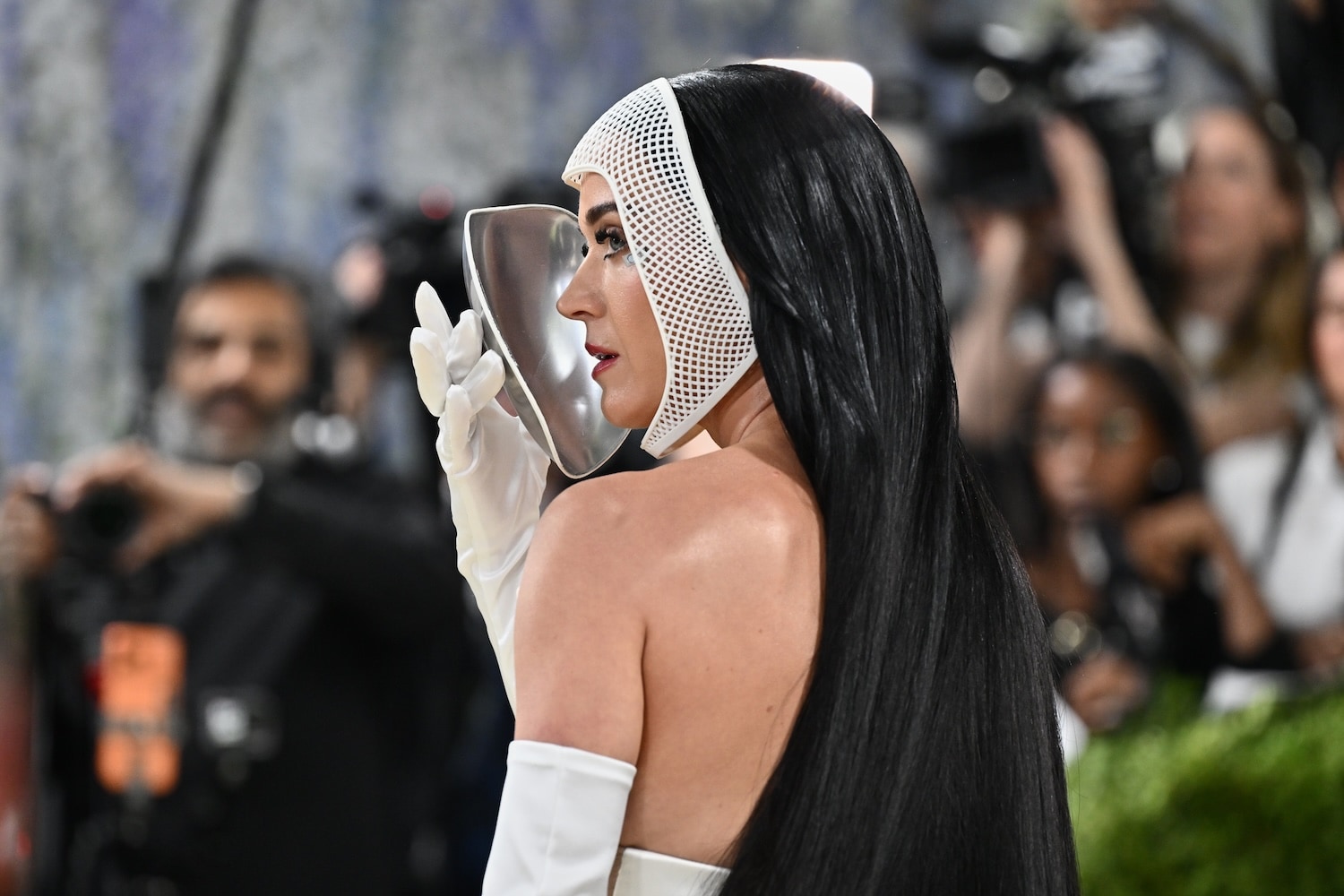
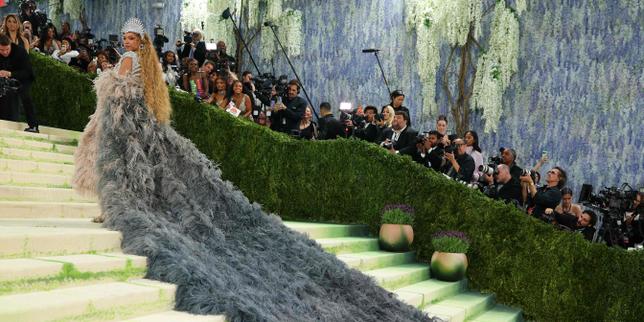
The steps of the Metropolitan Museum of Art weren't just covered in a red carpet this year. They were tinted a weird, mildewy green—a stylistic choice that felt uncomfortably prophetic as the 2026 Met Gala kicked off under a cloud of controversy that no amount of Chanel feathers could hide. While the "Fashion is Art" theme invited the world’s most famous people to turn their bodies into canvases, the real masterpiece was the high-stakes friction happening just a few blocks away at 82nd Street and Fifth Avenue.
You’ve probably seen the photos of Rihanna in Maison Margiela or Beyoncé looking like a literal icon in custom Olivier Rousteing. But behind the flashbulbs, the 2026 Met Gala was an exercise in extreme cognitive dissonance. It was the year Jeff Bezos and Lauren Sánchez Bezos dropped $10 million to buy the title of honorary chairs, effectively turning fashion’s biggest night into a corporate branding exercise for Amazon. Recently making news in related news: The Unspoken Contract Of The Concert Stage.
The billionaire in the back room
For a man who spent $75 million on a documentary and enough on this gala to fund a small nation, Jeff Bezos was remarkably shy. While his wife Lauren Sánchez walked the carpet alone, Bezos reportedly snuck in through a side entrance. He didn't want the smoke. And there was plenty of it.
Protest groups like "Rise and Resist" and "Everyone Hates Elon" (who clearly have a broad portfolio of grievances) weren't just holding signs. They were executing tactical theater. Activists planted 300 bottles of fake urine throughout the museum—a grim nod to the long-standing reports of Amazon delivery drivers being forced to skip bathroom breaks to hit quotas. Further insights into this topic are covered by The Hollywood Reporter.
It’s one thing to see a celebrity in a "wet-look" gown by Di Petsa, as Ashley Graham wore; it’s another to find a bottle of "pee" tucked behind a Grecian bust. The juxtaposition was jarring, and frankly, it made the usual fashion worship feel a bit hollow.
When the A-list says no
Usually, a Met Gala invite is the ultimate status symbol. You don't turn down Anna Wintour. But 2026 saw a rare fracture in that wall of compliance. Bella Hadid, a perennial favorite, skipped the event entirely in protest of the Bezos sponsorship. She wasn't alone. Zendaya, Meryl Streep, and Taraji P. Henson also declined their golden tickets.
When Zendaya—the woman who basically is the Met Gala red carpet—decides she’s got better things to do, the industry notices. It felt like a shift. We’re moving past the era where "the aesthetic" justifies everything. Some stars are realizing that standing next to a logo isn't just a photo op; it’s an endorsement.
Who actually showed up and what they wore
Despite the boycotts, the "Fashion is Art" dress code still delivered some genuine creative peaks:
- Kim Kardashian: Wore a structured orange outfit featuring a fiberglass top and blonde hair accessories. It was weird, stiff, and perfectly captured the "embodied art form" prompt.
- Tessa Thompson: Showed up in a cobalt blue dress that looked like a literal paint splatter.
- Bad Bunny: He was completely unrecognizable in custom Zara, proving you don't need a legacy couture house to win the night if you have an actual vision.
- Irina Shayk: Her "dress" was constructed entirely of watches, rings, and necklaces. It was a literal interpretation of wealth that felt almost satirical given the "Eat the Rich" signs outside.
The message on the sidewalk
The "Resistance Runway" organized by protesters featured people like Wendy Brandes in an "Eat the Rich" gown. They even hacked bus stop ads around New York City, replacing them with posters that read: "The Bezos Met Gala invites you to party like it’s 1939."
The reference wasn't subtle. It was a direct shot at the "willful ignorance" required to celebrate extreme luxury while the person funding the party is being sued over labor rights and profiting from controversial government contracts.
Honestly, the most "artistic" thing about the night wasn't inside the museum. It was the collision of these two worlds. You had Sarah Paulson wearing a blindfold on the carpet, calling her outfit "the 1 percent," while outside, students like Manhattan University's Elle Feneide held signs saying "Your red carpet is stained with blood."
Why this matters for the future of the Gala
The Met Gala has always been a bubble, but in 2026, that bubble started to look pretty thin. When the event’s primary donor feels the need to use the service elevator to avoid the public, the "prestige" begins to sour.
If you're following the fashion world, don't just look at the hemlines next year. Look at the guest list and the sponsors. The era of the "apolitical" celebrity is dying. You can't just put on a pretty dress and ignore who paid for the lights to stay on.
For those of us watching from home, the takeaway is simple: fashion is never just about clothes. It's about power, money, and who gets to decide what's "beautiful." If you want to support the artists without the billionaire baggage, look toward the independent designers who are actually innovating rather than the ones just buying their way onto the co-chair list. Pay attention to the labels on the tags—not just the names on the guest list.