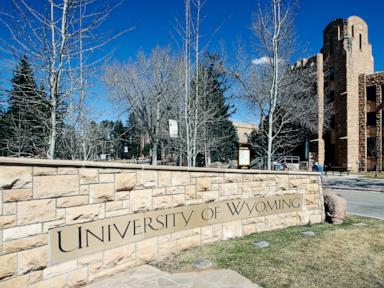
The headlines following the arrest of microbiology graduate student Aili Wang at Los Angeles International Airport followed a predictable script. Mainstream coverage fixated on international flight risks, chemical neurotoxins like acrylamide, and competitive panic over cancer therapy patents. Commentators immediately projected grand narratives of state-sponsored intellectual property theft onto a campus laboratory in Laramie, Wyoming.
It is a lazy consensus. It treats a horrific manifestation of institutional decay as an exotic spy thriller.
Anyone who has spent a week inside a modern research university knows the truth. The crisis is not foreign infiltration. The crisis is an hyper-exploitative academic pressure cooker that turns brilliant minds into desperate actors long before security cameras ever go up in shared offices.
The Myth of the Mastermind Operative
Media reports love to frame academic crimes through the lens of geopolitical intrigue. When a researcher is accused of tampering with a colleague's tea over pending patents, armchair analysts jump straight to state conspiracies.
This completely misunderstands how modern science is incentivized. I have watched institutions burn through human capital, treating graduate students and postdocs as disposable labor units rather than scholars. When career survival depends entirely on a single publication or a primary authorship slot, the psychological distortion is absolute.
Imagine a scenario where an ambitious researcher watches years of unrecognized labor get eclipsed by a lab mate who controls the patent pipeline. The system offers no internal recourse for academic theft of ideas, no mental health safety net, and no exit strategy that does not involve total professional ruin. People do not snap because they are geopolitical agents; they snap because they are trapped in a high-stakes panopticon with zero institutional escape valves.
The Acrylamide Fallacy and Lab Oversight
Let us look at the mechanics of the alleged crime. Prosecutors pointed to the purchase of acrylamide and the isolation of white powder from coffee makers as proof of a calculated plot. Yet, the real systemic failure happened months prior.
How does a neurotoxic compound sit accessible in a university environment long enough for a disgruntled researcher to weaponize it? University safety protocols are famously robust on paper and completely toothless in practice. Compliance training consists of clicking through automated slides, while actual inventory tracking for dangerous chemicals remains remarkably loose.
When labs operate under intense pressure to produce results on minimal budgets, safety culture deteriorates. The blame cannot rest solely on an individual's psychological break. It indicts a departmental culture that prioritizes output over basic oversight, leaving toxic materials within arm's reach of exhausted, isolated individuals.
The Real Crisis in Graduate Education
The narrative that a suspect fleeing toward an international flight is uniquely tied to foreign espionage ignores a simpler, harsher reality. When people face criminal exposure and total professional annihilation, they run toward home. They run toward familiar soil. Labeling every international transit attempt as a state-level extraction mission obscures the baseline panic of an individual facing a decade in federal prison.
The systemic takeaway here is uncomfortable for university administrators. If higher education wants to prevent future tragedies, stop looking for international boogeymen. Fix the toxic hierarchy of the modern laboratory. Reevaluate a tenure track structure that pits researchers against each other in a zero-sum game for funding, credit, and survival.
Until institutions take responsibility for the psychological destruction caused by their hyper-competitive models, these incidents will keep happening. The chemistry is just a symptom. The poison is the system.