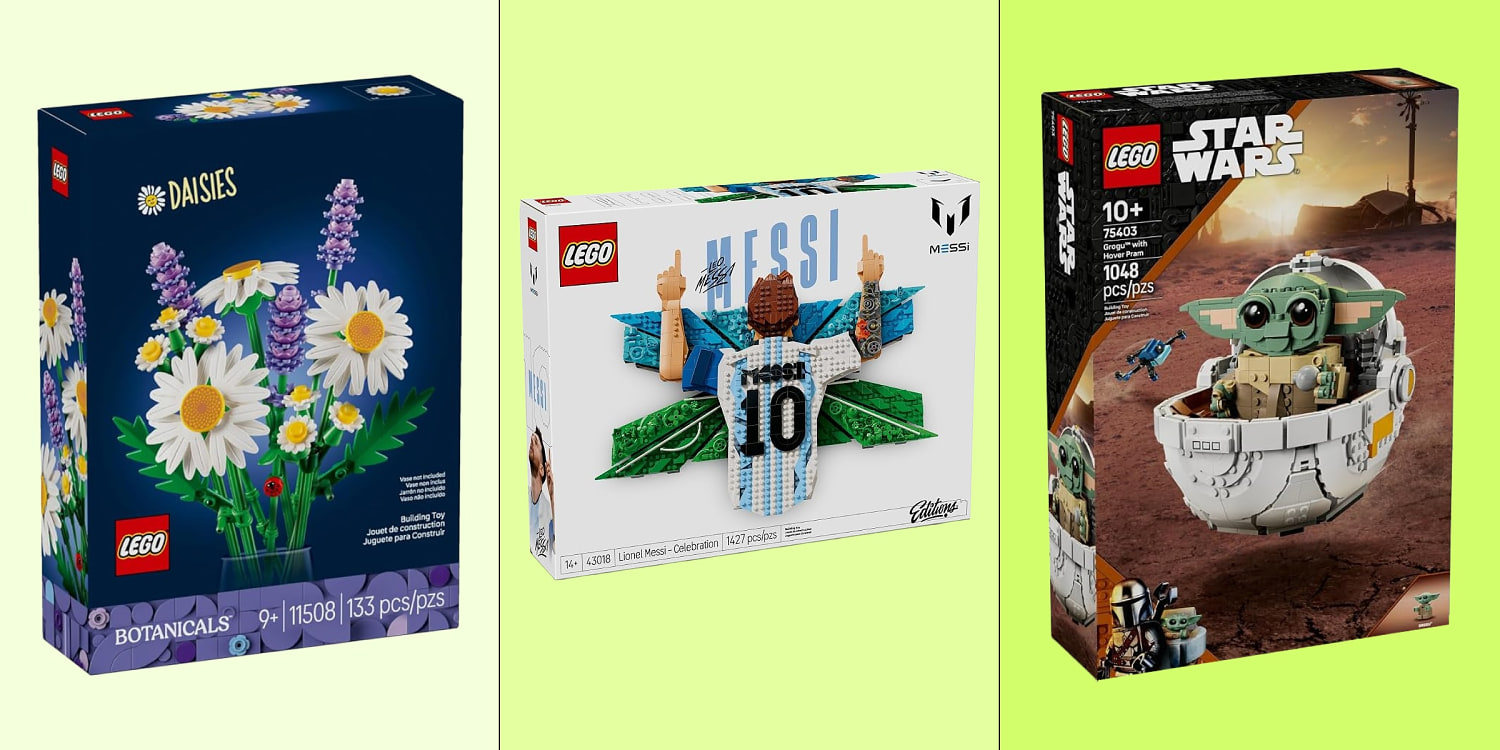
The kitchen table was covered in a plastic tablecloth that smelled faintly of lemon and old vinyl. Outside, the rain drove hard against the glass, blurring the neighborhood into gray smears of brick and cedar. Inside, silence hung heavy, broken only by the rhythmic scrape of a plastic spoon against a cereal bowl and the quiet, mounting panic of an ordinary Tuesday afternoon.
Marcus sat at the edge of that table, staring at a screen that had long since gone dark. His thumb tapped a steady, nervous beat against his knee. He was thirty-eight years old, possessed a mortgage, a demanding job that followed him past dinner, and a creeping sense that his free time had somehow evaporated into the blue glow of his phone.
Across from him sat nine-year-old Leo, whose world currently revolved around the aerodynamics of a digital starship that required fifty dollars in microtransactions just to change its wings.
They were bored. Not the peaceful, creative kind of boredom that inspires poetry, but the edgy, restless kind that usually ends with someone yelling about screen time.
Then came the box.
It arrived wrapped in brown cardboard, smelling of fresh cardboard and ink. It wasn't just a package from Amazon. It was a portal.
For months, the digital aisles had quietly shifted. Deep algorithms had adjusted prices, slicing numbers down by forty-four percent, treating plastic bricks like high-frequency stocks. But Marcus hadn't bought it for the discount. He had bought it because, somewhere between a morning spreadsheet and an evening email, he remembered what it felt like to use his hands for something other than scrolling.
"What is that?" Leo asked, his eyes narrowing with cautious optimism.
"Open it," Marcus said.
When the primary-colored flaps parted, the sound escaped first. That distinct, musical rustle of thousands of tiny pieces sliding against one another. It is a sound unique to childhood, carrying the exact frequency of rainy afternoons in the nineteen-nineties, of basement floors and sprawling cities built between the sofa cushions.
Plastic. Molded acrylonitrile butadiene styrene. To a chemist, it is a polymer. To a child, it is infinite potential.
Prices fluctuate. Stock counters tick downward. Supply chains groan under the weight of global commerce. But none of those metrics matter when you are sitting on the floor with your knees pulled to your chest, frantically searching for a specific two-by-four red brick that has somehow slid beneath the rug.
Marcus tore open the inner bags. The room filled with the sharp, clean scent of fresh plastic.
They started with bag number one.
Modern sets are different from the chaotic mixed bins of the past. They come with glossy booklets, step-by-step blueprints designed with industrial precision. Some critics lament the loss of pure imagination, arguing that numbered bags turn play into assembly line work. But they miss the point.
The instructions are a shared language.
"Find two of these," Marcus pointed at the diagram.
Leo leaned in. His shoulder brushed his father's. The invisible wall of teenage-in-training independence and adult preoccupation vanished in an instant. They weren't manager and subordinate, parent and dependent. They were co-architects.
Details matter. The way a tiny hinge clicks into place. The satisfying snap when two plates lock flush, creating a vacuum of air that holds them together against gravity.
Progress is measurable. In the rest of life, progress is painfully abstract. You work for weeks on a project, and the result is a PowerPoint deck that gets archived and forgotten. You clean the kitchen, and it is dirty again by breakfast.
But brick by brick, physical reality accumulates.
By bag three, the rain had stopped. A thin, pale shaft of sunlight cut across the living room rug, illuminating the dust motes dancing above their half-built tower.
Leo’s brow furrowed in intense concentration. The tip of his tongue poked out between his lips—an ancient genetic marker of deep focus passed down through generations. He was building a space cruiser, but really, he was building patience. He was learning that if you skip step twelve, step fourteen collapses. He was discovering that frustration is just the prelude to a breakthrough.
We live in an era obsessed with digital optimization. We track our sleep, our steps, our productivity. We buy subscriptions to calm our minds while staring at screens. Yet we often overlook the analog antidote sitting quietly in warehouse clearance bins, marked down because newer boxes have taken their place on the shelf.
A discount of forty-four percent is a market anomaly. It is an algorithmic blip driven by inventory rotation and fulfillment center logistics. But human value cannot be marked down.
Marcus watched his son’s hands maneuver a tiny transparent windshield into its housing. Those hands would grow. They would sign mortgages, type code, hold someone’s hand in a hospital room, fix a leaky pipe. Tonight, they were learning the geometry of the physical world.
The clock ticked past six. Dinner was forgotten for the moment. The floor was a battlefield of color—yellows, blues, blacks, grays.
"Dad," Leo whispered, holding up the finished cockpit. "Look."
It was solid. It had weight. When you shook it, it didn't lag or freeze; it stayed together.
They didn't save the world that afternoon. They didn't solve inflation or cure burnout. They simply sat on a rug and made something real out of chaos and raw material.
The box is empty now. The leftover pieces sit in a yellow tub in the corner of the bedroom, waiting for the next rainy day, the next quiet hour, the next time the world moves too fast and we need to remember how to slow down, look closely, and put things together with our own hands.