The light in the south of France does not merely illuminate; it insists. It bounces off the white stone of the Côte d'Azur, slices through the ancient olive groves, and catches the pigment on a canvas with a particular, forgiving warmth. Pierre-Auguste Renoir spent the final twelve years of his life chasing this exact light inside his home in Cagnes-sur-Mer. His hands, crippled by severe rheumatoid arthritis, were often wrapped in bandages, his brushes literally strapped to his wrists. Yet he painted flesh that seemed to breathe and sunbeams that seemed to melt.
Then came a Tuesday afternoon when the shadows inside that sun-drenched sanctuary grew unnaturally cold.
Art theft is rarely Hollywood. There are no laser grids, no men in black rappelling from skylights, no smooth-talking cat burglars trading quips. Real theft is clumsy, quiet, and profoundly violating. It smells of panic and hurried footsteps. At the Renoir Museum, tucked away in the Domaine des Collettes, the alarms didn't blare with cinematic drama. Instead, a glass case simply stopped holding what it was meant to protect. Millions of dollars in cultural heritage vanished into the Mediterranean air, leaving behind empty frames and a profound, echoing silence.
Consider what happens next. A painting is stolen. To the insurance adjuster, it is a line item, a risk assessment, a calculation of recoverable loss. To the police, it is a chain of custody, a fingerprint on a latch, a blurred pixel on a closed-circuit camera feed captured at twilight. But to the human heart, the loss is entirely different. It is an act of erasure.
When thieves target a museum dedicated to a single artist's twilight years, they are not just stealing oil and canvas. They are stealing the final, hard-won victories of a man whose body was betraying him. Renoir sat in his wheeled armchair on the veranda at Les Collettes, watching his family and the surrounding olive trees, translating agony into joy because he had nothing left to give the world except his vision. To rip a canvas from that specific house is to rip a page out of a diary that was written in pain and triumph.
We look at art in climate-controlled galleries and forget its vulnerability. We treat masterpieces as permanent fixtures of human civilization, as immutable as the mountains or the sea. They feel eternal. They are not. They are fragile skins of dried linseed oil and pigment stretched over rotting wood or aging linen, entirely at the mercy of human greed and human carelessness.
(Note: While the specific security details of museum heists often involve inside knowledge or brazen opportunistic timing, the underlying vulnerability remains constant across institutions worldwide.)
The mechanics of these crimes are shockingly mundane. Security budgets are tight. Municipal museums in Europe often operate on shoestring allocations, balancing the cost of a night watchman against the cost of a new roof or community outreach program. Thieves know this math. They calculate the distance between patrols. They measure the thickness of the glass. They treat a house of culture like a corner store left unattended for just long enough.
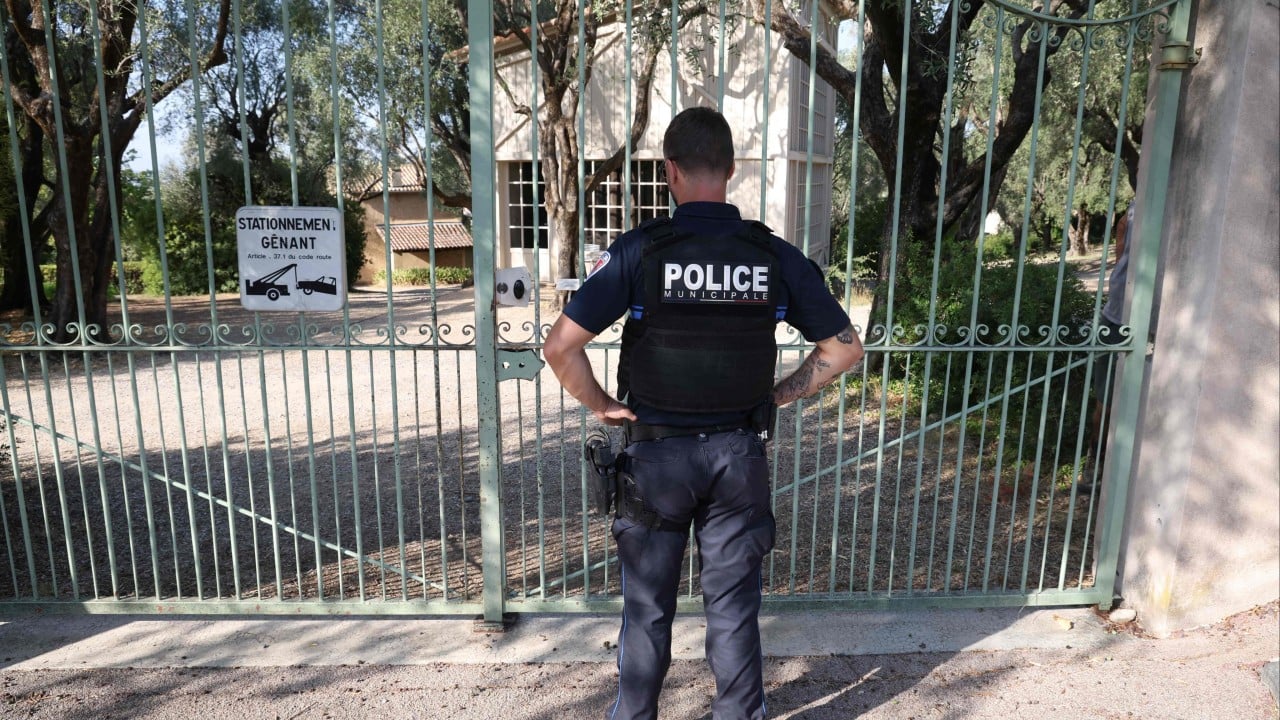
When the news broke across the French Riviera that precious works had been pilfered from the Renoir estate, the local reaction was not just shock. It was a deep, personal sorrow. The neighbors of Cagnes-sur-Mer live alongside the ghosts of these artists. The landscape is a daily reminder of who walked those paths. When a canvas disappears from the estate, the village feels robbed of its heritage, as if a piece of local history has been physically carved out of the soil.
Let us trace the trajectory of a stolen masterwork. It rarely goes to a billionaire villain living in a cliffside fortress who strokes a white cat while gazing at his illicit prize. That is the myth of the screen. In reality, stolen art enters a murky twilight zone known as the black market shadow economy.
Stolen art is notoriously difficult to sell. You cannot hang a famous Renoir in your living room. You cannot show it off to your dinner guests without inviting immediate suspicion. So what do criminals do with trophies they cannot display?
They use them as currency.
Paintings worth millions become collateral in the drug trade. They serve as bargaining chips for arms dealers. They are hidden in damp basements, rolled up like cheap posters, exposed to humidity and temperature fluctuations that threaten to turn centuries of genius into moldering dust. The tragedy of art theft is not just that a rich gallery loses an asset; it is that the artwork itself is subjected to a slow, silent destruction at the hands of people who care nothing for its soul.
I remember standing years ago in a small provincial gallery, watching an elderly woman trace the edge of a gilded frame with a trembling, arthritic finger. She wasn't looking at the price tag. She wasn't analyzing the brushwork. She was standing entirely still, breathing in the quiet dignity of a world that understood her own quiet struggles. Art is an anchor for the unmoored. It tells us that our pain is shared, that our fleeting moments under the sun matter enough to be captured and preserved.
When a thief cuts a canvas from its stretcher bars, they sever that invisible thread connecting us to the past. They tell the elderly woman, and the young child seeing color for the first time, that beauty is fragile enough to be held hostage by anyone with a razor blade and a lack of conscience.
The recovery rate for stolen art is a sobering statistic. Only a fraction of stolen cultural property ever finds its way back to public walls. Many pieces are recovered years later, damaged beyond repair, discovered in the trunk of a car during an unrelated traffic stop or handed over by terrified criminals who realized too late that they had bitten off more than they could chew.
Yet, hope persists, driven by dedicated art recovery investigators—modern-day sleuths who spend decades tracking the invisible paper trail of the underworld. They look for the microscopic details, the provenance records, the whispers in underground chat rooms. They are the guardians at the gate, fighting a rear-guard action against the erosion of our collective memory.
The sun still sets over Cagnes-sur-Mer. The olive trees at Les Collettes still shimmer with that unmistakable silvery green that commanded Renoir's attention until his final breath. The tourists still walk the gravel paths, breathing in the salt air and the ghosts of an impressionist summer.
But the empty spaces on the walls remain. They are monuments to human folly and the persistent, quiet vulnerability of the things we love most. They remind us that civilization is a fragile enterprise, held together not by steel and glass, but by the fragile, shared agreement that beauty matters, that history matters, and that the light we capture today belongs to everyone who comes after us.
The frames are empty. The canvas is gone. But the demand for justice—and the stubborn refusal to let great art vanish into the dark—endures.