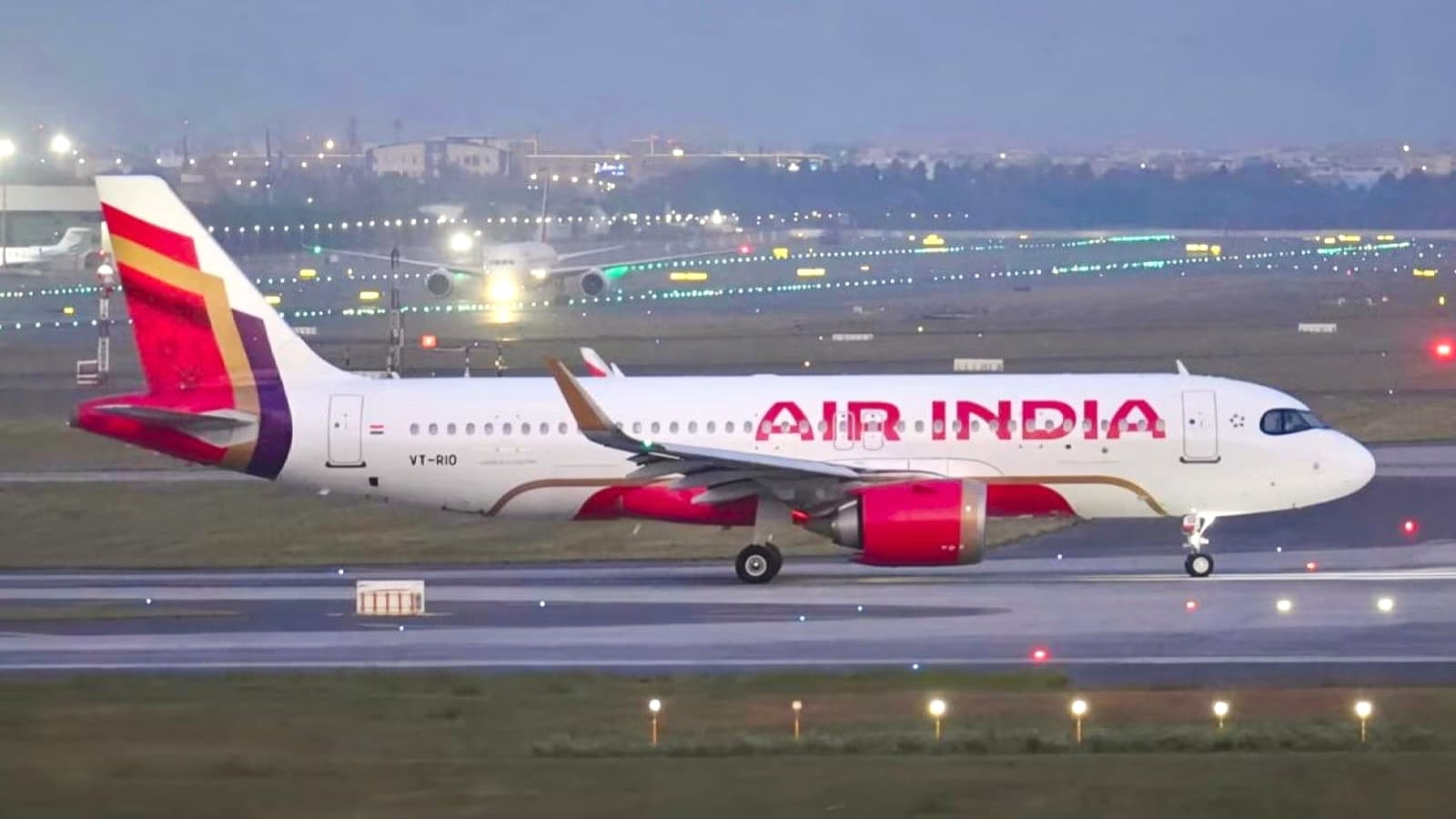
The headlines are predictable. They are boring. They are lazy. "Air India Co-Pilot Sent Back From US After Marijuana Discovery." The public reacts with the usual cocktail of outrage and mock surprise. They demand stricter drug testing, immediate termination, and a public shaming of the individual involved.
They are looking at the wrong thing. For an alternative perspective, check out: this related article.
The narrative focuses on a single "rogue" employee who allegedly forgot the basics of international law and border security. But focusing on the pilot’s bag is like focusing on a single drop of oil in a failing engine. This isn't a story about a pilot who got high; it’s a story about the catastrophic failure of Indian aviation leadership and the archaic, hypocritical standards that govern the industry worldwide.
The Myth of the Clean Cockpit
Aviation authorities love to maintain the illusion that the cockpit is a temple of sobriety and peak cognitive performance. It’s a comforting lie for the passengers sitting in 24B. The reality is that the industry is built on a foundation of chronic fatigue, circadian rhythm disruption, and high-functioning stress management. Related reporting on this matter has been shared by Travel + Leisure.
When an Air India co-pilot gets caught with marijuana in a US airport, the industry’s first instinct is to distance itself. But let’s look at the data. The Federal Aviation Administration (FAA) and the Directorate General of Civil Aviation (DGCA) operate on a zero-tolerance policy that is increasingly disconnected from the modern pharmacopeia.
While the world moves toward the decriminalization and medical acceptance of cannabis, aviation remains stuck in 1971. We have pilots who are legally allowed to fly while prescribed powerful, mind-altering SSRIs or sleeping aids like Zolpidem (Ambien), yet the presence of a non-synthetic plant in a suitcase results in an international incident.
The Hypocrisy of "Safety First"
The industry claims safety is the driver for these harsh penalties. If that were true, we would be seeing massive crackdowns on pilot fatigue—a factor that has been proven to impair cognitive function more severely than moderate THC levels. A pilot flying on four hours of sleep after a long-haul flight from Delhi to San Francisco is a greater danger than a pilot who had a gummy three days ago.
Yet, airlines continue to push crews to the brink of exhaustion because the bottom line demands it. They penalize the substance but ignore the stimulus that leads people to seek it.
Air India’s Identity Crisis Under Tata
This incident isn't just a personnel failure; it’s a branding disaster that Tata Group cannot seem to shake. When Tata took over Air India, the promise was a return to world-class standards. Instead, we’ve seen a string of "peegate" scandals, crumbling cabin interiors, and now, drug seizures at US Customs and Border Protection (CBP).
The leadership is trying to fix the symptoms without curing the disease. You can buy 470 new Boeing and Airbus jets, but if you don't overhaul the internal culture, you are just putting a fresh coat of paint on a sinking ship.
The Cultural Vacuum
I’ve seen airlines try to "discipline" their way into excellence. It never works. Air India’s problem is a lack of institutional pride that has curdled into apathy. When a crew member feels the risk of carrying contraband into a US port is worth the reward—or simply doesn't care enough to check their own luggage—it signals a total breakdown in professional discipline.
This isn't solved by more HR memos. It’s solved by creating a culture where being an Air India pilot is actually prestigious again. Currently, it’s a job where you are overworked, under-supported, and flying legacy equipment that often lacks basic functionality.
The US Customs Trap
Let’s talk about the specific mechanics of this "bust." US CBP officers at ports like JFK or O’Hare aren't looking for a casual smoker’s stash. They are looking for patterns.
When an airline has a reputation for lax internal controls, their crews get "the treatment." This co-pilot didn't just get unlucky; he likely walked into a heightened screening environment because his employer is currently viewed as a high-risk operator.
Why Indian Aviation is Falling Behind
The DGCA’s response to these incidents is always the same: a knee-jerk suspension and a promise to "review procedures." This is bureaucratic theater.
- Reliance on Punitive Measures: Instead of proactive mental health support, they use the threat of license revocation.
- Lack of Transparency: We rarely see the full results of these investigations or the systemic changes made to prevent them.
- Outdated Testing: They rely on testing methods that don't differentiate between active impairment and past use.
In a scenario where a pilot is using a substance to manage the brutal physical toll of 15-hour flights across twelve time zones, the "punishment" does nothing to address the cause. If the airline doesn't provide a pathway for pilots to manage stress and sleep without fear of losing their careers, the pilots will find their own pathways. Some of those pathways lead to a CBP secondary screening room.
The Solution Nobody Wants to Hear
If you want to stop these headlines, you don't fire the pilot and move on. You change the fundamental relationship between the airline and its flight deck.
- Acknowledge the Fatigue Crisis: Stop scheduling crews to the absolute legal limit and then acting surprised when they use substances to cope with the fallout.
- Modernize Drug Policy: Move toward "Fit to Fly" assessments rather than "Clean to Fly" snapshots. Cognitive testing before a flight is a far more accurate measure of safety than a urine sample from three weeks ago.
- End the Culture of Fear: If a pilot has a substance issue, they should be able to report it and seek treatment without an immediate, permanent career death sentence.
The aviation industry is currently a pressure cooker. When it blows, we blame the steam. We should be looking at the person turning up the heat.
Air India’s management will try to spin this as an isolated incident involving one irresponsible individual. They are lying. This is the predictable outcome of an airline trying to scale its operations while its internal standards are still stuck in the 1990s.
Until the leadership at Air India and the regulators at the DGCA stop pretending that "zero tolerance" is a substitute for actual safety management, the bags will keep getting searched, and the reputation of Indian aviation will continue to bleed out on the tarmac of foreign airports.
Stop looking at the weed. Start looking at the system that made it a pilot's best option.