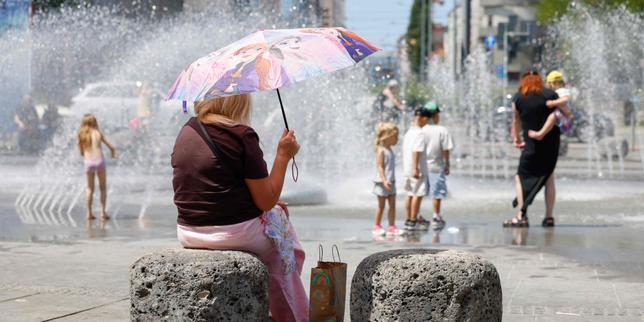
Numbers do not usually lie, but a toll of roughly 15,800 heat-related deaths forces a brutal reality check. Summer in Europe is no longer just a season of outdoor cafes and relaxed vacations. Right now, extreme weather patterns across Germany are pushing healthcare systems to the absolute brink. Recent data published by the Robert Koch Institute (RKI) reveals that seasonal heatwaves claimed an unprecedented number of lives, shattering previous records and exposing massive vulnerabilities in urban infrastructure and public health planning.
When people think about climate risks, they usually picture dramatic floods or violent storms crashing onto coasts. Yet, the silent killer creeps in quietly through stagnant air and relentless nighttime temperatures. If you look closely at how modern cities are built, you will find the main culprit. Concrete jungles trap thermal energy, preventing overnight cooling and giving vulnerable populations zero physical relief.
The Deadly Toll on Older Generations
Demographics dictate vulnerability during extreme weather events. The RKI data highlights a harsh truth: individuals aged 75 and older bore the heaviest burden during these spikes. Age alters the body's physiological ability to regulate internal temperature. Sweat glands become less efficient, and cardiovascular systems struggle to cope with the added stress of pumping blood closer to the skin to cool down.
Most fatalities aren't officially classified as direct heatstroke on a death certificate. Instead, extreme temperatures act as an amplifier for pre-existing conditions. Chronic respiratory illnesses, kidney dysfunction, and underlying heart disease flare up dangerously when atmospheric pressure and heat combine. A weak heart simply cannot handle the marathon effort required to keep a body cool during a multi-day heatwave.
Families often miss the subtle warning signs. Confusion, extreme fatigue, and dizziness are easily brushed off as normal sluggishness caused by hot weather. By the time emergency services get called, organ failure may already be underway.
Why Traditional Urban Planning Fails Modern Summers
European cities possess immense historical charm, but medieval street layouts and stone facades were never engineered for modern climate extremes. Traditional architecture traps heat inside masonry apartments for days on end. Air conditioning remains far less common in German households compared to North America, leaving residents to rely on basic window ventilation that only brings in more hot air.
Public spaces lack adequate shading and water fountains. Urban green spaces are frequently too small to create a measurable cooling microclimate. Asphalt parking lots and sprawling concrete developments absorb solar radiation all day and radiate it back long after sunset. This prevents the human body from recovering during sleeping hours, leading to cumulative thermal stress over weeks of sustained high temperatures.
Healthcare infrastructure also faces severe operational tests. Hospitals experience spikes in emergency admissions just as staff availability dips due to summer holiday scheduling. Ambulances rush to transport dehydrated seniors suffering from acute renal failure or stroke symptoms, creating bottlenecks in emergency departments.
Practical Steps to Protect Vulnerable Loved Ones
Waiting for government policy shifts won't save lives today. Protecting older relatives requires proactive habits and practical changes around the home.
- Monitor indoor temperatures closely: Don't wait for your relative to complain. Place thermometers in living areas and bedrooms. If indoor temps stay above 26 degrees Celsius consistently, look for alternative cooling options.
- Block solar radiation early: Keep external shutters and blinds drawn during peak daylight hours. Open windows only during the late night or early morning hours when outdoor air finally drops.
- Hydration schedules over thirst: Older adults often lose their sense of thirst until dehydration has already set in. Keep water visible and accessible at all times rather than waiting for them to ask for a glass.
- Establish daily check-ins: During red-alert heat advisories, call or visit elderly neighbors and family members at least twice a day to check for cognitive changes or lethargy.
Ignoring the reality of rising summer temperatures is no longer an option. Treating extreme heat as a predictable emergency rather than a temporary inconvenience is the only way to prevent future tragedies.