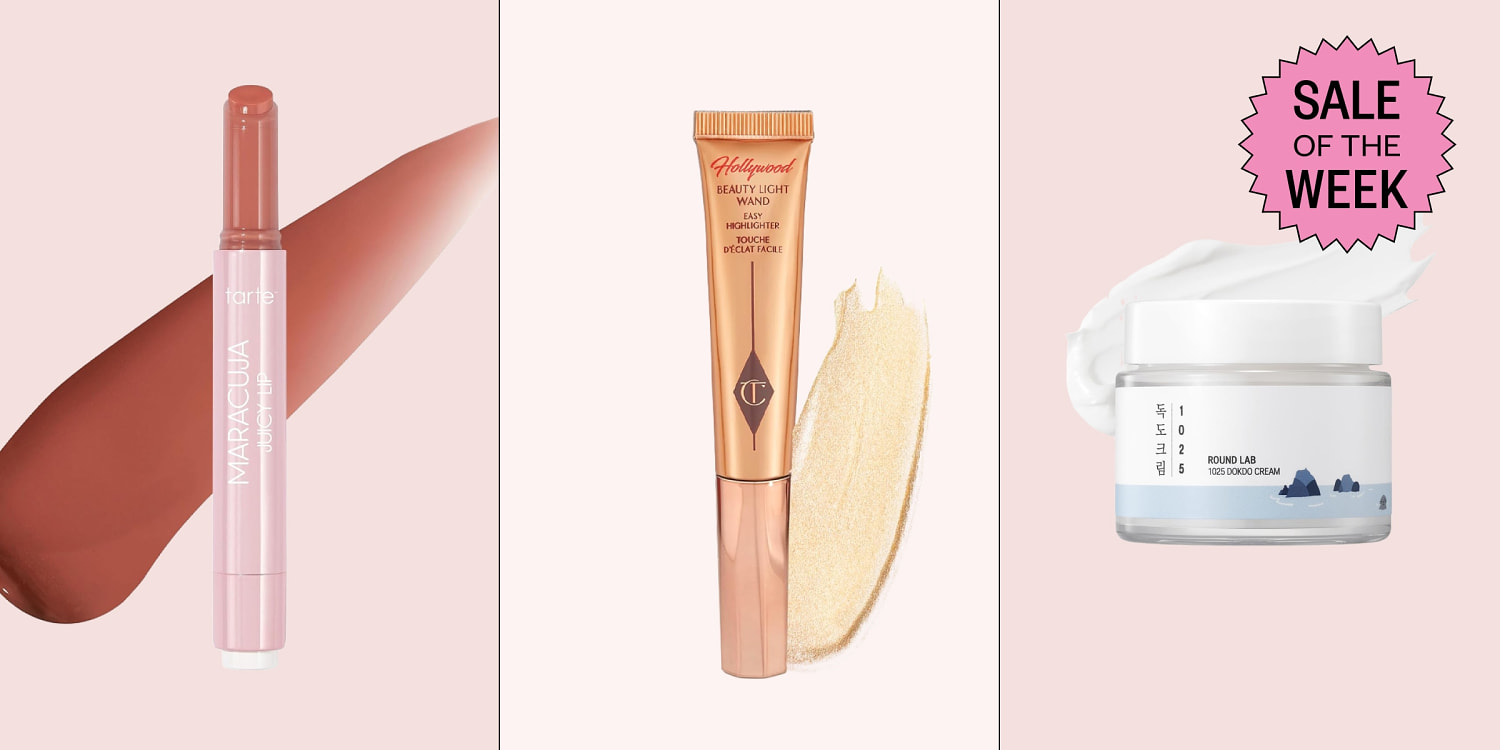
Standard beauty deal roundups measure discounts by comparing a promotional tag against a list price, which systematically misleads shoppers about actual savings and retailer strategy. Amazon's Holiday Beauty Event—held annually in late October across skincare, makeup, hair tools, and grooming—operates as a calibrated inventory and customer-acquisition window rather than a simple clearance sale. A rigorous buyer evaluates promotions through unit economics, replenishment cadence, and cross-channel price dispersion instead of headline percentage drops.
Why Editor Deal Lists Misread Promotional Value
Editorial roundups typically rely on three loose heuristics: percentage off list price, review volume, and a writer's personal routine preference. Each heuristic introduces a predictable distortion. In related developments, we also covered: The Invisible Borders Inside Every Click.
First, percentage discounts depend heavily on the reference price chosen. A 30% to 47% markdown on an item with an inflated or infrequently charged list price does not guarantee a lower transaction price than everyday competitors. Second, high review counts measure cumulative historical velocity and seeding programs rather than present-day value or formula reformulations. Third, personal anecdotes confuse subjective sensory satisfaction—such as texture, fragrance, or curl hold—with financial efficiency.
Separating known facts from educated hypotheses keeps deal evaluation grounded: The Wall Street Journal has analyzed this critical issue in extensive detail.
- Known fact: Promotional event windows run for a bounded period in late October and feature markdowns across prestige, mass, K-beauty, and hair styling SKUs.
- Known fact: Identical or comparable beauty SKUs frequently carry different prices across Amazon, specialty beauty retailers, and mass grocers or drugstores on the same day.
- Educated hypothesis: Brands use late-October beauty events to clear seasonal or pre-Black-Friday stock, test elasticity on core SKUs, and capture trial conversions ahead of peak Q4 gifting.
- Educated hypothesis: Deep percentage discounts on mid-tier or emerging SKUs often reflect promotional funding or margin sharing rather than permanent price resets.
The Three Pillars of Beauty Deal Evaluation
To turn a raw list of markdowns into a rational buying decision, evaluate every candidate SKU across three structural pillars: True Net Price vs. Cross-Channel Baseline, Consumption Velocity and Unit Cost, and Formulation and Counterfeit Risk.
Pillar One: True Net Price vs. Cross-Channel Baseline
A deal exists only when the checkout price beats both the item's recent recurring price and competing channels for the exact same size and formulation. In beauty retail, price dispersion across channels is common because prestige brands enforce minimum advertised price or distribution rules selectively, while mass and pharmacy staples fluctuate frequently across retailers.
When comparing an event price, check three benchmarks:
- Same-day competing retailers: Compare the net unit price against specialty beauty chains, brand-direct sites, and mass or grocery retailers for the identical volume or count.
- Recent price history: A markdown that merely returns an item to its typical promotional floor is a routine sale, not a seasonal low.
- Bundle vs. standalone math: Multi-packs, value sets, and device bundles can lower unit cost or include accessories, yet they only save money if you would otherwise buy every component at full price.
Pillar Two: Consumption Velocity and Unit Cost
Beauty products divide sharply into high-turnover consumables (cleansers, moisturizers, lip care, acne patches, whitening strips, razors, and everyday brushes) and low-frequency durables or gifts (heated styling tools, electric toothbrushes, and seasonal sets). Discounting both categories by 25% produces very different economic outcomes.
For consumables, value is governed by cost per use and shelf-life burn rate. Buying three units of a daily cleanser at 30% off makes economic sense only if you will use all three before expiration or formula fatigue and before the next comparable sale arrives. Buying three units of a specialized treatment or seasonal shade risks waste or sunk cash if your routine changes.
The second limitation applies to durable hair tools and grooming devices. Even a substantial dollar discount on a multi-hundred-dollar appliance represents a large upfront cash outlay. Lowering the price of a tool does not lower the cost of replacement heads, heat-protectant consumables, or time spent styling.
Pillar Three: Formulation and Counterfeit Risk
In personal care, search attributes (brand name, size, shade, price) are easy to verify, whereas experience and credence attributes (active stability, skin tolerance, authentic origin) are revealed only after purchase or use. Third-party marketplace commingling and unauthorized resellers add verification friction that standard deal lists rarely weigh.
Check seller provenance and product specifics before adding to cart:
- Fulfillment and seller identity: Verify whether the item is sold by the brand storefront, an authorized distributor, or a third-party seller.
- Size and variant precision: Confirm exact milliliter, ounce, or count specifications, as travel sizes and mini formats carry different unit economics than full sizes.
- Ingredient and skin compatibility: A discount on an active ingredient (such as retinol, salicylic acid, or whitening agents) or a fragrance-heavy formula carries no value if irritation forces you to stop using it.
Cause-and-Effect Dynamics Behind Seasonal Beauty Markdowns
Roundup articles treat sale prices as static gifts sitting on a shelf. In practice, promotional pricing triggers chain reactions across supply chains, shopper psychology, and category competition.
Promotional Pull-Forward vs. Net New Demand
A two-week beauty event in late October sits directly between early-fall promotional events and Black Friday or Cyber Monday. Steep discounts often trigger demand pull-forward: shoppers who planned to buy a staple in November or December buy early at a perceived bargain. This creates a local sales spike during the event while flattening baseline demand immediately afterward.
Loss-Leader Discovery and Basket Expansion
Retailers and brands frequently discount recognizable entry items—such as lip balms, single brushes, or mid-priced skincare—to attract traffic and lift average order value through add-on purchases. A shopper who clicks for one 20% to 30% markdown often adds full-price items or marginally discounted accessories to hit free-shipping thresholds or complete a routine. This creates a bottleneck in personal budgeting: small per-item savings can mask a larger total checkout bill.
Stockout Risk on High-Elasticity SKUs
When price elasticity is high—common on viral skincare, popular shades, and widely used daily staples—a meaningful markdown accelerates sell-through faster than replenishment can respond. Late-event shoppers frequently encounter depleted shade ranges or third-party price spikes once primary promotional inventory clears.
Tactical Decision Protocol Before Buying a Sale Item
Instead of reacting to countdown timers or headline percentages, run every candidate deal through a four-step filter:
- Audit existing inventory: Check your current cabinet before shopping. Do not buy backup stock of slow-moving items or open-ended experiments.
- Verify cross-channel net price: Compare the final price per ounce, gram, or count against at least one rival retailer and check whether taxes, shipping thresholds, or loyalty perks alter the gap.
- Stress-test necessity: Ask whether you would buy the item at its normal everyday price within the next 60 days. If the answer is no, the discount is spending encouragement rather than savings.
- Confirm returnability and authenticity: Check return windows and seller details before purchasing high-ticket devices or prestige skincare.
Even disciplined execution has boundaries. No checklist eliminates uncertainty around future price drops later in Q4, nor can a deal scorecard substitute for patch testing sensitive skin. Treating promotions as conditional opportunities rather than mandatory events keeps spending aligned with real utility.
Strategic Play for Q4 Beauty Buyers
Concentrate promotional purchases strictly on verified low-price consumables you already use at high frequency, and hold cash on discretionary or high-ticket beauty gear until you compare late-November pricing against your exact usage need.