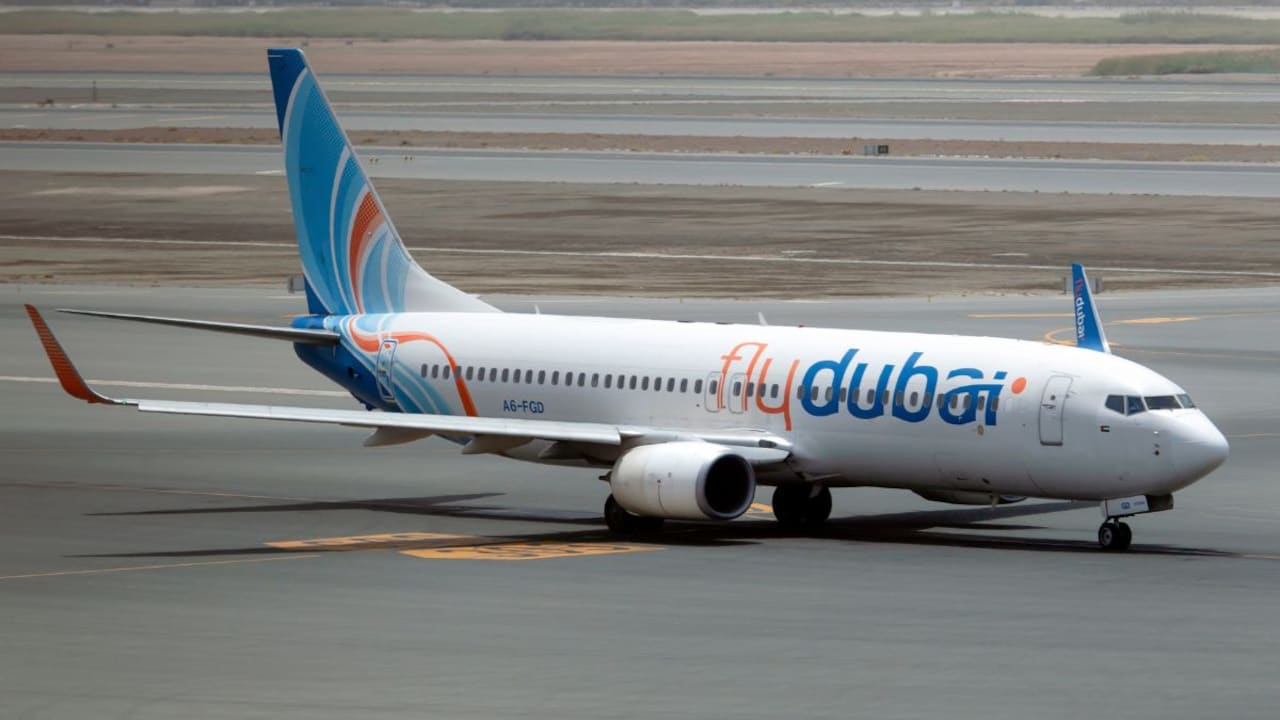
Commercial aviation security operates on the foundational assumption of a fortified flight deck. When internal actors breach that perimeter, the failure invalidates standard threat-mitigation models. The incident involving Flydubai Flight 1073—a Boeing 737 MAX 8 operating between Dubai International Airport and Ben Gurion Airport—demonstrates how physical compartmentalization collapses when hostility originates behind the security barrier. Deconstructing the telemetry, operational protocols, and structural responses reveals the vulnerabilities inherent in modern cockpit security architectures.
The Kinematics of an Internal Breach
Flight telemetry from the incident records an abrupt transition from a stable cruise altitude of approximately 34,000 feet down to 17,000 feet in less than 120 seconds. This rate of descent exceeded standard operational descent parameters, introducing severe aerodynamic stress on the airframe. If you enjoyed this article, you should check out: this related article.
The physical mechanics of this dive can be analyzed through three distinct phases:
- The Initiation Vector: Physical assault within the flight deck compromised pilot control continuity. The simultaneous application of forward control column deflection and thrust manipulation initiated a high-negative-G or steep-nose-down attitude.
- The Velocity Threshold: As the aircraft descended rapidly through denser air masses, true airspeed escalated toward structural design limits. Telemetry estimates indicate speeds approaching Mach limits or roughly 600 miles per hour.
- The Structural Cost Function: Exceeding the design velocity parameters while under high-load maneuvering subjected the tail assembly to torsional and bending loads beyond operational certification limits. Specifically, the dynamic pressure exerted on the vertical stabilizer resulted in the detachment of a significant portion of the aircraft's rudder during the descent.
The structural survival of the airframe under these conditions highlights the redundancy margins engineered into modern commercial hulls, though these margins were pushed to the edge of failure. For another look on this development, check out the latest update from NBC News.
Systemic Vulnerabilities in Flight Deck Access Protocols
Post-9/11 aviation security design focused almost exclusively on mitigating external threats via hardened cockpit doors. These reinforced barriers are engineered to withstand ballistic impacts and forcible entry attempts from the cabin. However, this architecture creates a reverse-security failure mode: an insider threat inside the flight deck can lock out external assistance.
The operational variables that dictated the outcome of Flight 1073 challenge conventional risk management:
- The Internal Actor Variable: Security vetting processes rely on background checks, psychological screenings, and behavioral monitoring. When an insider actor bypasses these filters, the structural defenses of the aircraft are weaponized against the occupants.
- The Override Latency: Cockpit doors feature emergency access keypad overrides designed to allow cabin crew entry if incapacitation occurs. However, these systems incorporate a delay timer to allow pilots inside to veto entry if they are under duress. During an active physical struggle, manipulating or waiting out this delay introduces a dangerous time gap.
- The Manual Egress Mechanism: The intervention was successful not via systemic remote override, but because the injured captain physically managed to unlock the flight deck door during a momentary shift in the struggle, allowing passengers and deadheading flight crew to enter. This reliance on manual, high-risk physical intervention exposes a critical gap in automated failsafes.
Aerodynamic Control Without a Rudder
Following the structural detachment of the rudder, the aircraft's directional stability was severely compromised. The rudder is the primary control surface responsible for yaw control and countering asymmetric forces like engine torque or crosswinds.
Operating a Boeing 737 MAX 8 without a functional rudder requires significant compensation through differential thrust and aileron usage—a technique known as roll-coupling. The flight crew executing the diversion to Prince Sultan bin Abdulaziz Airport in Tabuk, Saudi Arabia, had to manage reduced directional authority while dealing with a damaged airframe and an incapacitated crew member.
The decision-making matrix during this phase required an immediate triage of flight parameters:
- Altitude Selection: Maintaining a lower flight level (around 15,000 feet) reduced the aerodynamic pressures on the compromised tail section while ensuring breathable cabin pressure without reliance on emergency oxygen deployment systems.
- Energy Management: High-speed final approaches were avoided to prevent loss of lateral control authority in the absence of normal yaw damping.
Regulatory and Intelligence Deficits
The tactical response of regional air defense networks illustrates the friction between military interception protocols and sudden internal civil aviation emergencies. As the transponder cycled through emergency codes—first squawking 7700 for a general emergency, followed by 7500 indicating unlawful interference—air traffic control and military authorities faced an identification void.
The response timeline underscores systemic intelligence integration failures:
- The Intelligence Lag: Reports indicated prior signals regarding the operational profile of the involved co-pilot were isolated within domestic security channels or handled as routine administrative matters rather than active operational risks.
- Interception Thresholds: Air defense forces, including Israeli Air Force protocols regarding rogue or hijacked aircraft approaching sovereign airspace, operate under rigid engagement rules. The rapid, erratic flight profile compressed the decision window for interception assets, leaving a narrow margin between tactical shoot-down authorization and safe recovery.
Strategic Forecast for Flight Deck Security
The structural integrity of commercial aviation security relies on the assumption of crew reliability. When that assumption fails, the industry faces an intractable design problem: how to secure the flight deck against external actors without locking out internal interventions during a crisis.
Future security frameworks must decouple physical door-hardening from absolute internal control. Implementation of remote telemetry override capabilities, biometric multi-factor authentication for flight deck access, and internal cabin-to-cockpit sensor arrays represent the necessary evolution for high-risk regional corridors. Without these adjustments, the security infrastructure remains vulnerable to the single point of failure demonstrated over the Saudi-Jordanian border.