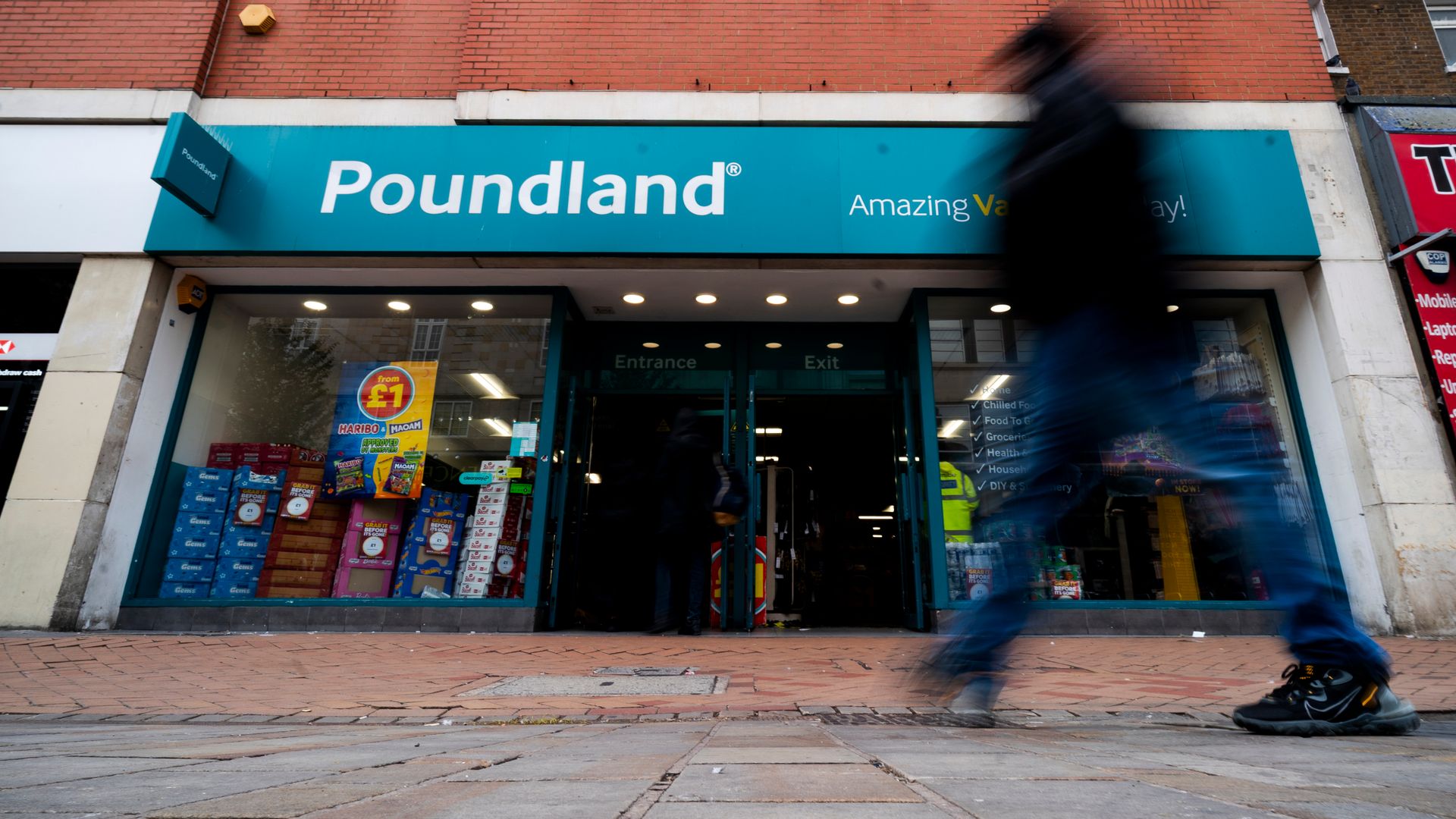
When a prospective buyer signals continued interest in acquiring a distressed discount retailer like Poundland during insolvency proceedings, that signal is rarely an expression of emotional confidence—it is a calculated tactical maneuver designed to compress asset valuations while managing creditor expectations. In UK retail restructuring, public reaffirmations of intent serve a dual operational purpose: they stabilize supplier nerves to prevent immediate inventory flight, and they anchor the administrator's baseline valuation before competitive bidding erodes margins. Understanding this dynamic requires stripping away the press-release veneer and examining the structural mechanics of administration, working capital compression, and unit economics in high-volume, low-margin retail.
The Mechanics of Retail Administration and the Pre-Pack Imperative
Under the UK Insolvency Act 1986, entering administration places a statutory moratorium around a distressed business, halting creditor enforcement actions while an appointed insolvency practitioner assesses whether the company can be rescued as a going concern or liquidated for maximum creditor return. For a high-street discount chain operating hundreds of physical locations, time is a depreciating asset. Every week spent in protracted administration destroys enterprise value through three compounding mechanisms:
- Supplier Credit Contraction: Trade credit insurers withdraw coverage immediately upon insolvency filings. Suppliers shift from 60-day payment terms to cash-on-delivery, starving the retailer of the inventory velocity required to generate store-level cash flow.
- Talent Attrition: Store managers and regional directors—the operational backbone of multi-site retail—defect to solvent competitors, degrading store standards and increasing shrinkage.
- Landlord Leverage Shifts: While the moratorium prevents immediate eviction, landlords aggressively market prime high-street units to alternative tenants, threatening the integrity of the store estate that makes the acquisition viable.
A bidder telling an administrator they "remain keen" is operating inside this narrow window. The bidder knows that if negotiations stall, the administrator faces a binary choice: accept a discounted going-concern bid or pivot to a piecemeal liquidation of stock and leases, which historically yields pennies on the pound for unsecured creditors. By maintaining public interest while slowing private due diligence, a buyer exerts downward pressure on the purchase price without triggering the administrator to walk away.
Deconstructing the Discount Retail Unit Economics
Discount retailing operates on a razor-thin operating margin—frequently between 2% and 4% in healthy cycles—driven by high inventory turnover and strict fixed-cost containment. When a chain of Poundland's scale enters financial distress, the root cause is rarely a collapse in top-line consumer demand; discount retailers often see counter-cyclical footfall increases during inflationary periods. Instead, distress stems from structural cost inflation outpacing fixed price-point elasticity.
The Three Pillars of Margin Compression
- Occupancy Cost Ratios: High-street and retail park leases indexed to inflation create rigid fixed overheads. When rent, business rates, and service charges exceed 10% to 12% of store net sales, store-level EBITDA turns negative regardless of footfall.
- Wage Floor Escalation: Statutory increases in the National Living Wage directly impact labor-intensive store operations, where payroll represents the single largest controllable store expense. Unlike luxury retailers, discount operators cannot easily pass a 10% wage increase onto consumers through price hikes without violating their core value proposition.
- Supply Chain and Working Capital Friction: High-volume variety retailers rely on long-lead Asian sourcing for general merchandise alongside fast-moving consumer goods (FMCG). Currency fluctuations, container rate spikes, and working capital blockages disrupt the product mix, forcing stores to over-index on lower-margin food and essentials while high-margin discretionary general merchandise sits unfinanced.
A bidder evaluating a rescue deal is not buying the legacy corporate entity; they are underwriting a stripped-down version of the store portfolio where these three cost pillars have been forcibly reset.
The Strategy Behind Public Bidder Signaling
In distressed M&A, information asymmetry is the primary weapon. When an external source or bidder states they remain committed to a rescue deal during active administration, that communication targets four distinct audiences simultaneously:
The Administrator: Insolvency practitioners are legally bound to achieve the best outcome for creditors as a whole. Publicly affirming interest prevents the administrator from prematurely breaking up the estate or selling prime leases individually to rival grocers and variety chains.
Competing Financial Sponsors: Distressed retail attracts two types of buyers: strategic trade buyers looking to absorb market share and eliminate a competitor, and turnaround private equity firms seeking an asset-backed platform. Signaling persistent commitment deters rival bidders from investing the heavy upfront capital required for forensic accounting and store-by-store lease audits.
The Supply Base: A rescue deal is worthless if the shelves are empty upon completion. By projecting certainty that a well-capitalized owner is stepping in, the bidder encourages key FMCG manufacturers to hold stock in reserve rather than permanently reallocating manufacturing capacity to competitors.
Landlords: The bidder's ultimate profitability depends on renegotiating upward-only rent reviews into turnover-based leases. Publicly positioning themselves as the sole viable savior gives the bidder immense negotiating power over landlords who face the alternative of empty units, void business rates, and months of zero rental income.
Separating Known Mechanics from Deal-Specific Hypotheses
When analyzing reports of ongoing rescue talks without access to the administrator's confidential data room, rigorous analysis requires separating established structural realities from speculative assumptions.
Established Operational Realities
- Debt Ring-Fencing: Any rescue transaction executed through administration will leave legacy bank debt, historical tax liabilities, and unsecured trade creditor balances behind in the old corporate shell. The acquirer buys only the unencumbered assets, brand intellectual property, stock, and selected leases.
- Estate Rationalization: No modern UK retail rescue preserves 100% of the physical footprint. Even the most committed bidder will execute a triage model, dividing stores into profitable core sites, marginal sites contingent on landlord rent reductions, and loss-making sites slated for immediate closure.
- Working Capital Injection: The headline acquisition price in a distressed retail deal is often nominal—frequently £1 or a modest sum covering stock valuation. The true cost of the acquisition is the immediate £50 million to £150 million working capital facility required to restock the supply chain and restore trade credit insurance.
Analytical Hypotheses in Active Negotiations
- Valuation Friction: If a bidder must repeatedly reassure the market or the administrator of their interest, a valuation gap almost certainly exists. The administrator is likely holding out for a higher cash consideration to satisfy preferential creditors (such as HMRC), while the bidder is discounting the offer to account for deteriorating stock quality and escalating store closure costs.
- The Pre-Pack vs. Trading Administration Dilemma: If talks drag beyond a few weeks, the administrator is actively trading the business to generate cash from existing inventory. This creates a structural conflict: the administrator extracts cash by selling down stock without replenishing it, which simultaneously degrades the working capital base the bidder is trying to acquire.
The Structural Limitations of Distressed Retail Turnarounds
Acquiring a distressed discount chain is not a guaranteed arbitrage play. History across the UK high street demonstrates that buying assets out of insolvency solves balance-sheet debt, but it does not automatically fix operational dysfunction.
The primary limitation is brand equity erosion. Prolonged media coverage of insolvency, half-empty shelves during administration, and aggressive clearance discounting train consumers to view the retailer as failing. Reversing that perception requires heavy marketing expenditure and flawless on-shelf availability within 90 days of deal completion.
The second limitation is IT and logistics technical debt. Legacy discount chains frequently operate on fragmented warehouse management systems and manual store replenishment processes. A turnaround buyer focused solely on financial engineering and lease reductions will fail if they underinvest in supply chain automation and electronic point-of-sale data analytics.
The third limitation is competitor encroachment. While a retailer is tied up in administration negotiations, rival discounters—such as B&M, Home Bargains, and the German discount grocers—aggressively target the distressed chain's core demographic, permanently capturing wallet share that cannot be won back through price matching alone.
Executing the Acquisition Blueprint
For a bidder determined to close a rescue deal on advantageous terms, waiting for the administrator to soften is insufficient. The winning operational sequence requires decisive front-loaded execution before the sale and purchase agreement is signed:
- Lock Down the Top 150 Leases Pre-Completion: Engage directly with institutional landlords before finalizing the bid. Offer immediate lease extensions on profitable flagship sites in exchange for 30% to 50% rent reductions and turnover-linked structures on secondary high-street stores. Do not acquire a lease without a signed side-letter confirming post-completion terms.
- Establish a Ring-Fenced Vendor Financing Facility: Partner with a specialist asset-based lender prior to closing to guarantee immediate liquidity for top-50 FMCG suppliers. Issue formal comfort letters to key vendors on day one of ownership to restart container shipments before existing warehouse stock depletes.
- Deploy Store-Level SKU Rationalization Immediately: Eliminate slow-moving, low-margin general merchandise lines within the first 30 days. Concentrate working capital exclusively on the top 2,000 high-velocity core lines that drive repeat weekly footfall, rebuilding cash conversion cycles before expanding discretionary ranges.