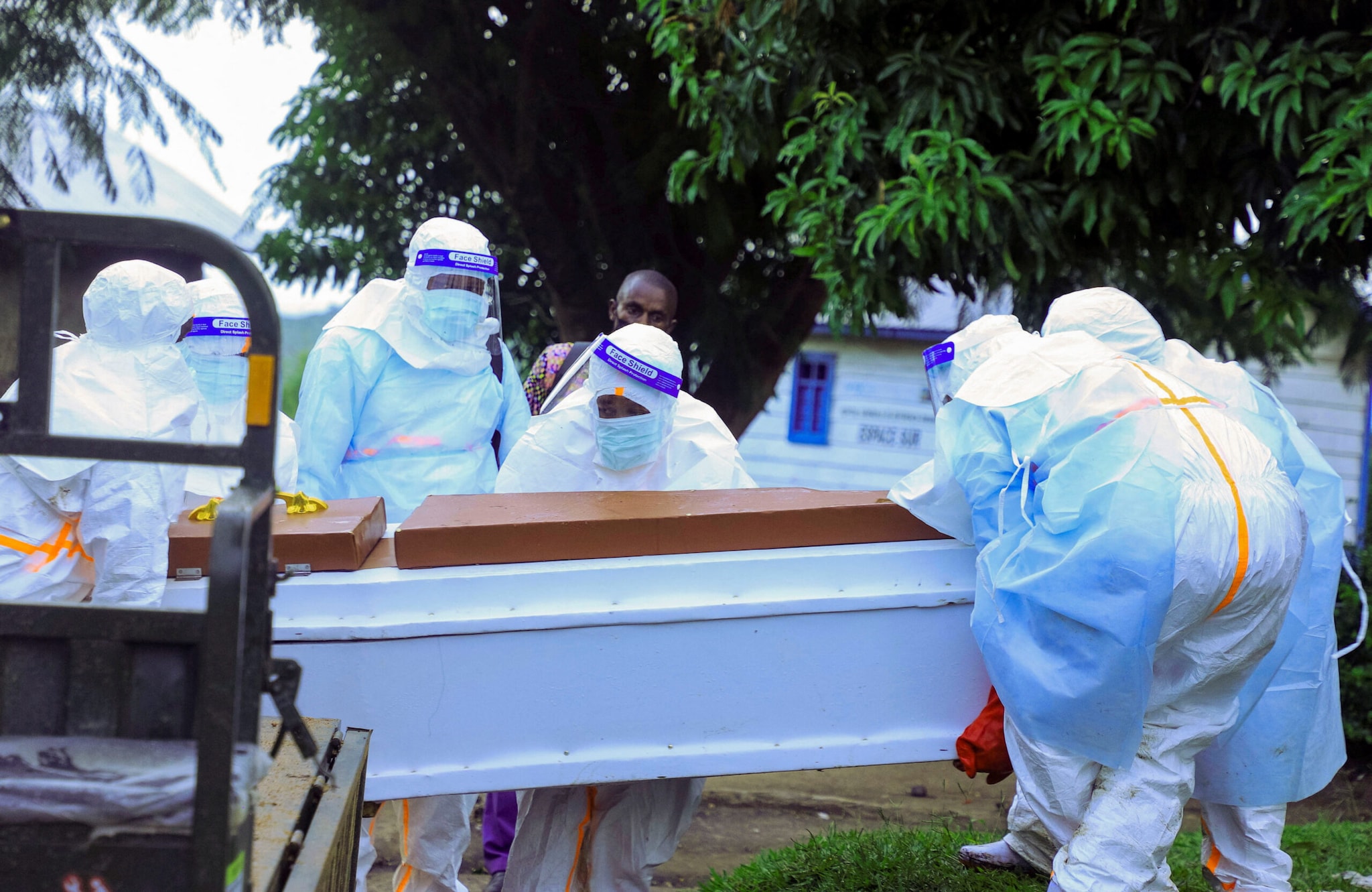
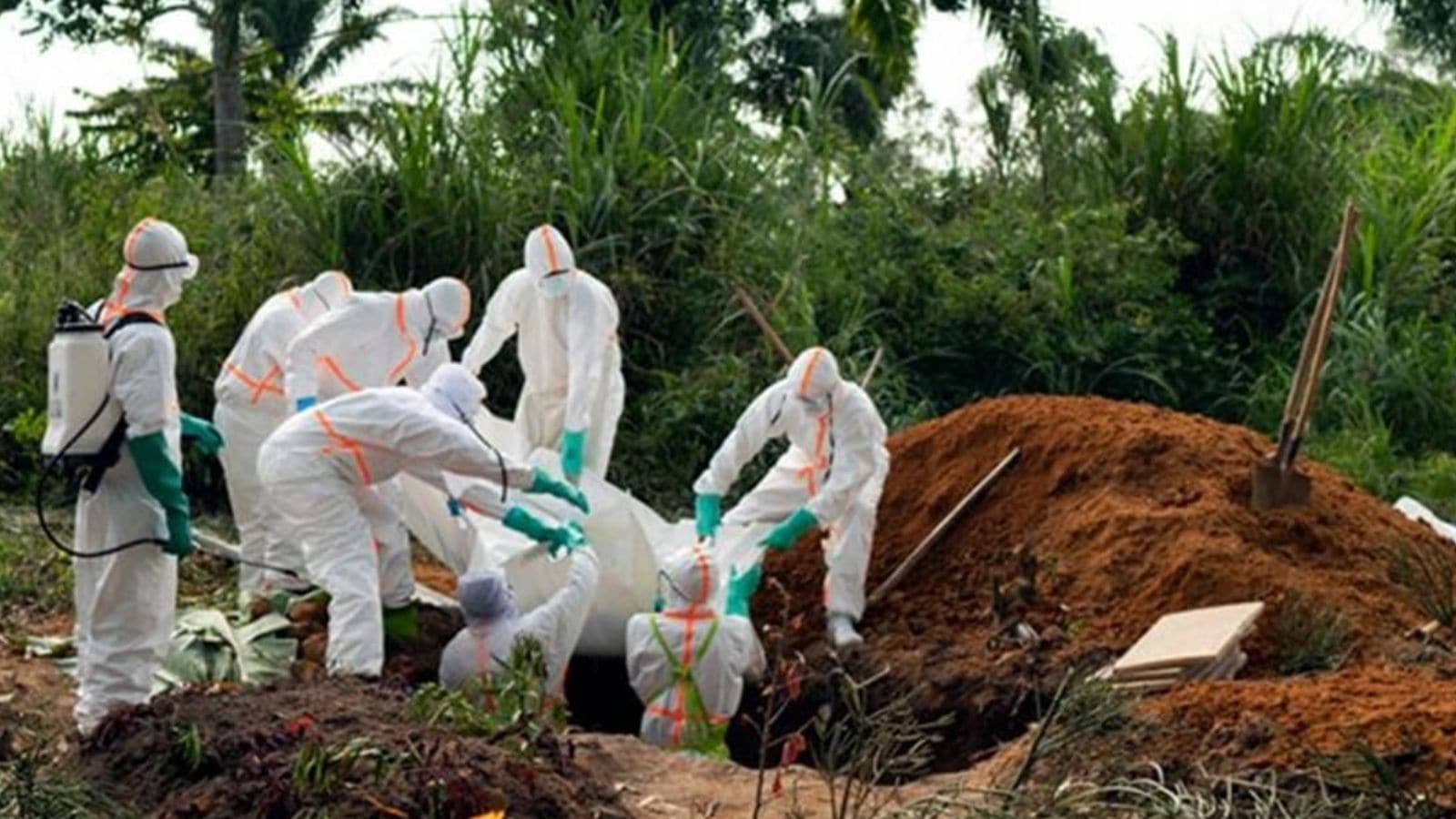
The containment of highly infectious pathogens relies on a foundational assumption: that public health interventions operate in a cooperative environment where logic, resource abundance, and medical authority dictate human behavior. When an outbreak occurs within an active conflict zone, this assumption collapses, introducing acute operational friction that transforms healthcare infrastructure into a primary target of kinetic violence. The escalation of coordinated attacks on Ebola treatment centers (ETCs) in the eastern provinces of the Democratic Republic of the Congo (DRC) exposes a structural mismatch between international epidemiological models and the political economy of war-torn regions (Gostin et al., 2019). Outbreak containment fails not from a deficit of biomedical technology, but because conventional top-down intervention models systematically miscalculate how marginalized populations interpret the sudden, heavily funded deployment of foreign medical infrastructure amid protracted systemic neglect (Roberts, 2021).
To decipher why state-of-the-art medical countermeasures—such as ring vaccination protocols and highly effective monoclonal antibody therapeutics like mAb114 and REGN-EB3—fail to achieve rapid containment, we must analyze the outbreak through an operational framework of epidemiological friction (Shears & Garavan, 2020). This phenomenon is driven by three interlocking structural mechanics: institutional weaponization, economic asymmetry, and the breakdown of epidemiological surveillance.
The Triad of Epidemiological Friction
+--------------------------------------------------------------------------+
|                        EPIDEMIDOLOGICAL FRICTION                         |
+--------------------------------------------------------------------------+
                                     |
         +---------------------------+---------------------------+
         |                           |                           |
         v                           v                           v
+------------------+       +-------------------+       +-------------------+
|   INSTITUTIONAL  |       | ECONOMIC ASYMMETRY|       |    BREAKDOWN OF   |
|  WEAPONIZATION   |       |   AND GRIEVANCE   |       |   SURVEILLANCE    |
+------------------+       +-------------------+       +-------------------+
| State security   |       | Multi-million     |       | Unmonitored       |
| enforces health  |       | dollar "riposte"  |       | community deaths  |
| edicts, fusing   |       | vs. decades of    |       | sever transmission|
| medicine with    |       | humanitarian      |       | tracking chains.  |
| state coercion.  |       | deprivation.      |       |                   |
+------------------+       +-------------------+       +-------------------+
Institutional Weaponization and the Coercion Bottleneck
The primary structural error of international response mechanisms is the reliance on host-nation security apparatuses to guarantee the safety of healthcare delivery. In regions like North Kivu and Ituri, the central government is frequently perceived not as a provider of public goods, but as a predatory political actor (Dyer, 2019). When state military or paramilitary forces are deployed to protect ETCs or enforce safe and dignified burial protocols, the public health response becomes indistinguishable from state coercion (Roberts, 2021).
This institutional fusion produces a severe counter-reaction. Local populations and non-state armed groups re-categorize ETCs from neutral humanitarian sanctuaries into state-affiliated administrative outposts (Dyer, 2019). The physical structures of the response—isolation tents, thermal screening checkpoints, and specialized transit vehicles—become highly visible symbols of a hostile political authority. Consequently, attacking an Ebola center is leveraged by militant factions as a low-cost, high-visibility method to contest state sovereignty and disrupt federal territorial control, completely independent of any biological reality.
Economic Asymmetry and Grievance Catalysis
The sudden influx of multi-million-dollar international funding explicitly earmarked for a single pathogen creates profound economic friction in a population suffering from chronic, multi-decade deprivation. Eastern DRC features an economy hollowed out by persistent conflict, administrative decay, and rampant cross-border resource exploitation (Aruna et al., 2019). In this ecosystem, local communities experience high mortality rates from preventable diseases like measles, malaria, and cholera due to a severely underfunded baseline healthcare infrastructure.
The rapid deployment of the "riposte"—characterized by fleet vehicles, international personnel commanding premium salaries, air-conditioned field offices, and single-disease focus—creates an unsustainable economic paradox. Local populations observe that unlimited resources materialize instantly when a disease threatens global biosecurity, yet zero resources are allocated to alleviate the structural poverty and violence they face daily (Roberts, 2021). This asymmetry fuels deep-seated community mistrust and gives rise to rationalized conspiracy theories: that the virus is an artificial construct engineered by political elites to secure international funding or suppress local political representation (Diarra et al., 2023).
The Surveillance Breakdown and Community Leakage
The direct consequence of kinetic violence against medical infrastructure is the immediate degradation of epidemiological visibility. When an ETC is attacked or threatened, operations are suspended, international personnel evacuate, and local healthcare workers are forced into hiding (Roberts, 2021). This introduces a lethal gap into the mathematical model of disease suppression:
- Contact Tracing Cessation: Effective containment requires tracking 100% of exposed contacts within a 21-day incubation window (Aruna et al., 2019). Security disruptions prevent contact tracers from entering communities, causing the tracking efficiency metric to degrade rapidly.
- Prolonged Community Exposure: Fear of coercive isolation or distrust of medical facilities incentivizes families to conceal symptomatic individuals. Patients remain in the community during their most infectious periods, dramatically increasing the reproduction number ($R_0$) of the virus.
- Unmonitored Community Deaths: A high percentage of Ebola deaths occurring outside medical facilities directly severs the chain of epidemiological data (Aruna et al., 2019). Traditional, high-contact funeral practices continue in secret, generating cryptic transmission chains that emerge weeks later in geographically disparate health zones.
Evaluating Countermeasure Performance Under Insecurity
The deployment of advanced biomedical interventions under conditions of severe operational friction yields highly divergent results. The table below delineates the theoretical capacity versus the real-world operational limitations of core outbreak response mechanisms in conflict zones.
| Countermeasure | Theoretical Efficacy | Real-World Performance Under Insecurity | Critical Failure Point |
|---|---|---|---|
| Ring Vaccination (Ervebo / Merck) | Near-perfect prevention within localized clusters if administered rapidly. | Fragmented deployment; disrupted by population displacement and incomplete contact lists (Wells, 2019). | Requires an intact, secure contact tracing network to define the "ring" geometry. |
| Monoclonal Therapeutics (mAb114, REGN-EB3) | Decreases case fatality rates significantly if administered early (Shears & Garavan, 2020). | Underutilized due to delayed patient presentation; individuals avoid ETCs until the terminal stages of infection. | Trust deficit prevents early clinic admission, rendering clinical efficacy irrelevant. |
| Safe & Dignified Burials | Eliminates highly infectious post-mortem transmission vectors. | Met with active community resistance; perceived as culturally disrespectful and state-driven. | Coercive enforcement triggers violent retaliation against burial teams (Diarra et al., 2023). |
Strategic Redesign: Decentralized, Peer-Led Containment
To bypass the friction inherent in top-down, state-protected interventions, public health strategies must pivot to a decentralized, low-signature operational model. The objective is to decouple the medical response from visible state infrastructure and embed containment capabilities directly within local social networks.
The Medical Student Liaison Architecture
The university network represents an underutilized vector for localized trust mobilization. Utilizing advanced medical students from regional institutions—such as the Université Catholique du Graben in Butembo—offers a peer-to-peer alternative to foreign or state-affiliated medical personnel (Masumbuko Claude & Hawkes, 2020).
[International / Central Technical Hub] (WHO / Ministry of Health)
               |
               v (Supplies, Training, Funding Protocols)
[Regional Medical Academy Infrastructure] (e.g., Local Universities)
               |
               v (Decentralized Deployment)
[Peer-Led Mobile Student Liaison Units] (600+ Managed Operators)
               |
               +-----------------------+-----------------------+
               |                       |                       |
               v                       v                       v
      [Community Unit A]       [Community Unit B]       [Community Unit C]
These students possess native linguistic fluency, understand local cultural nuances, and maintain deep community ties, neutralizing the "foreign exploitation" narrative (Masumbuko Claude & Hawkes, 2020). Operating in decentralized mobile teams, they can conduct community-level education, perform basic symptom screening, and distribute localized sanitation supplies without the militarized footprint that triggers armed resistance.
Transit Center Integration and Existing Health Structures
Rather than constructing monolithic, highly centralized ETCs that act as focal points for militant attacks, containment architecture must be integrated into pre-existing, trusted community health centers (Shears & Garavan, 2020). Lower-profile "Transit Centers" should be appended to local clinics that already provide baseline maternal care, malaria treatment, and general triage. By blending Ebola containment into the standard healthcare fabric of the community, the intervention minimizes its tactical profile, reduces economic jealousy, and significantly lowers the probability of kinetic targeting by non-state actors.
Limitations of the Decentralized Approach
No strategy deployed in an active combat zone is devoid of structural vulnerability. The decentralized, peer-led framework contains clear operational trade-offs that must be actively managed:
- Supply Chain Vulnerability: Distributing cold-chain dependent assets, such as the Ervebo vaccine which requires ultra-low storage temperatures, across a highly fragmented network of small clinics introduces severe logistical risks.
- Duty of Care Dilemmas: Utilizing local medical students or community health workers shifts the security risk from international organizations onto local actors who lack defensive infrastructure or extraction capabilities.
- Quality Control Decay: Decentralization stretches supervisory span of control. Maintaining strict infection prevention and control (IPC) protocols across dozens of isolated transit centers is fundamentally more difficult than managing a single, highly regulated central ETC, increasing the risk of nosocomial transmission to healthcare workers.
Definitive Strategic Forecast
The intersection of biological outbreaks and asymmetric warfare will dictate the future of global health security. The traditional paradigm of humanitarian neutrality enforced by UN peacekeepers or state milities is structurally obsolete; it acts as a catalyst for violence rather than a shield. Outbreak responses that fail to account for the political economy of the host region will find themselves trapped in an endless cycle of infrastructure destruction and accelerating transmission.
The definitive operational shift requires international agencies to transition from high-profile direct operators to background infrastructure and logistical underwriters. Survival and success in epidemiological containment depend entirely on the radical devolution of authority, funding, and clinical execution to independent local actors who possess the unique social capital required to operate safely behind active conflict lines.
References
Aruna, A., Mbala, P., Minikulu, L., Mukadi, D., Bulemfu, D., Edidi, F., Bulabula, J., Tshapenda, G., Nsio, J., Kitenge, R., Mbuyi, G., Mwanzembe, C., Kombe, J., Lubula, L., Shako, J. C., Mossoko, M., Mulangu, F., Mutombo, A., Sana, E., . . . Muyembe, J. J. (2019). Ebola Virus Disease Outbreak — Democratic Republic of the Congo, August 2018–November 2019. MMWR. Morbidity and Mortality Weekly Report, 68(50), 1162-1165. https://doi.org/10.15585/mmwr.mm6850a3
Cited by: 130
Diarra, T., Okeibunor, J., Diallo, B., Onyeneho, N., Rodrigue, B., Konan Yao, M. N., Yoti, Z., Djingarey, M. H., Fall, S., & Gueye, A. S. (2023). Epidemic Response amidst Insecurity: Addressing the Ebola Virus Epidemic in the Provinces of North Kivu and Ituri. Journal of Immunological Sciences, S3, 1-10. https://doi.org/10.29245/2578-3009/2023/s3.1102
Cited by: 2
Dyer, O. (2019). Congo’s Ebola epidemic is now its worst ever and still spreading. BMJ, 364, l433. https://doi.org/10.1136/bmj.l433
Cited by: 4
Gostin, L. O., Sircar, N. R., & Friedman, E. A. (2019). Fighting Novel Diseases amidst Humanitarian Crises. Hastings Center Report, 49(4), 6-9. https://doi.org/10.1002/hast.970
Cited by: 10
Masumbuko Claude, K., & Hawkes, M. T. (2020). Ebola crisis in Eastern Democratic Republic of Congo: student-led community engagement. Pathogens and Global Health, 114(4), 218-223. https://doi.org/10.1080/20477724.2020.1754654
Cited by: 20
Roberts, N. (2021). MSF and Ebola in Nord Kivu. Journal of Humanitarian Affairs, 3(3), 14-24. https://doi.org/10.7227/jha.070
Cited by: 4
Shears, P., & Garavan, C. (2020). The 2018/19 Ebola epidemic the Democratic Republic of the Congo (DRC): epidemiology, outbreak control, and conflict. Infection Prevention in Practice, 2(3), 100038. https://doi.org/10.1016/j.infpip.2020.100038
Cited by: 40