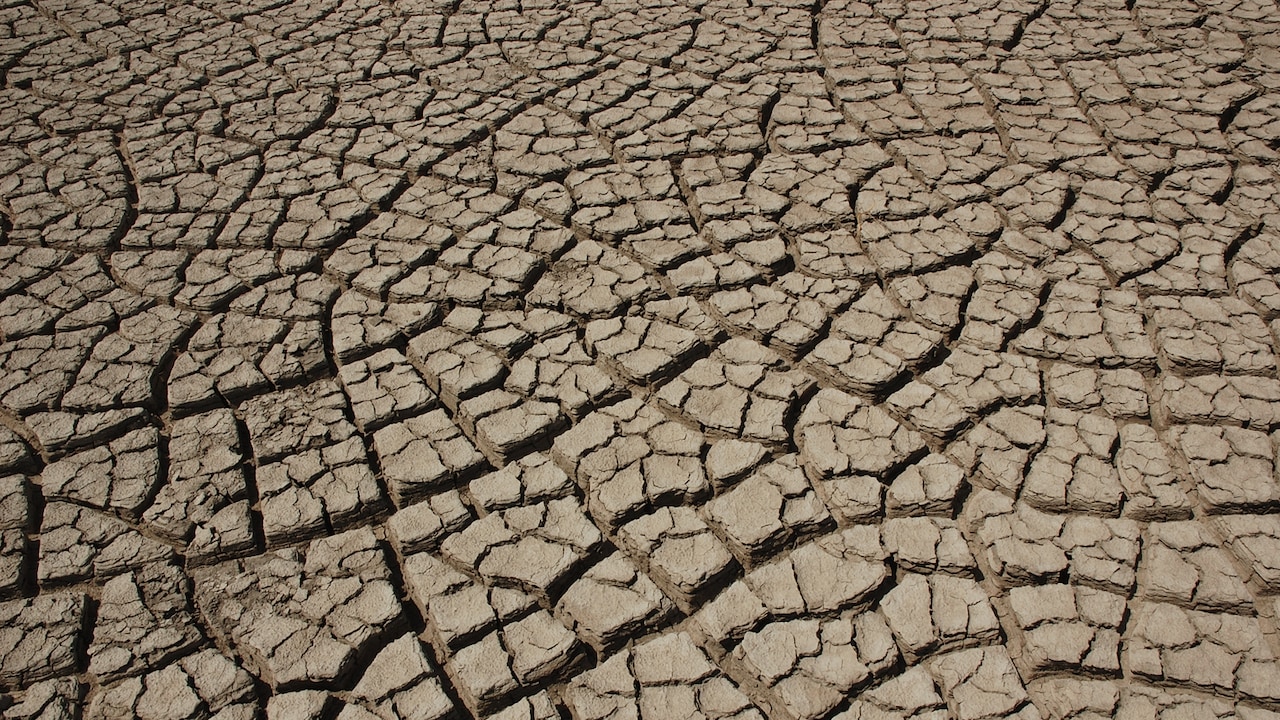
A state of disaster declaration in a Small Island Developing State is rarely a reaction to a single meteorological event; it is the formal admission that baseline infrastructure has breached its carrying capacity against predictable climate variability. When Fiji invokes emergency powers during an El Niño-driven drought, the immediate trigger is atmospheric—a shift in the Walker Circulation that starves the western Pacific of rainfall—but the operational crisis is systemic. Managing resource scarcity across an archipelago of more than 300 islands exposes structural vulnerabilities in water storage, agricultural dependency, and fiscal liquidity that standard crisis reporting reduces to surface-level weather narratives.
Understanding the mechanics of this declaration requires separating the meteorological catalyst from the institutional response. The El Niño-Southern Oscillation (ENSO) operates on a well-documented physical loop, yet the downstream economic and logistical failures follow distinct, manageable pathways. By deconstructing the oceanographic drivers, the legal architecture of disaster governance, the cascading supply chain bottlenecks, and the capital allocation frameworks required for mitigation, operators and policymakers can map the true cost function of Pacific drought events.
The Atmospheric Engine and Hydrological Deficit
Standard news coverage treats drought as an absence of rain. In operational terms, drought in the South Pacific is a measurable disruption of the coupled ocean-atmosphere system. Under neutral conditions, easterly trade winds push warm surface waters toward the western Pacific, fueling deep atmospheric convection and heavy precipitation over Fiji.
During an El Niño phase, these trade winds weaken or reverse. The warm pool of surface water migrates eastward toward the central and eastern Pacific. Atmospheric convection follows the heat source, leaving the western Pacific under a persistent zone of high-pressure subsidence. This downward movement of dry air suppresses cloud formation and sharply reduces precipitation across the Fijian archipelago, particularly affecting the western divisions of Viti Levu and the outer island groups in the Lau and Yasawa chains.
The hydrological impact is compounded by the geography of the islands. High volcanic islands like Viti Levu and Vanua Levu possess orographic rainfall gradients; their windward (southeastern) sides capture residual moisture, while their leeward (western and northern) sides fall into acute rain shadows. Outer coral atolls and low-lying limestone islands lack the elevation to trigger orographic lift entirely. They rely on thin freshwater lenses floating atop denser saltwater aquifers.
When rainfall drops below replenishment thresholds, two distinct failures occur:
- Surface Water Depletion: Rivers, streams, and municipal reservoirs on the main islands experience rapid drawdown. Because tropical catchments are typically steep and short, residence time for rainwater is low; without consistent precipitation, baseflow collapses within weeks.
- Saline Intrusion: On outer islands, reduced recharge causes the freshwater lens to shrink. Continued extraction pulls brackish water into wells, rendering local groundwater non-potable long before the aquifer is physically empty.
The distinction between meteorological drought (rainfall deficit) and hydrological drought (water supply failure) explains why emergency declarations lag behind the onset of El Niño conditions. Water systems coast on stored reserves until reservoir levels or groundwater salinity cross critical operational thresholds, at which point degradation becomes non-linear.
The Governance Mechanics of a State of Disaster
Declaring a state of disaster is a specific legal and administrative maneuver, not merely a rhetorical escalation. Under Fiji's Natural Disaster Management Act, this declaration alters the state's operational authority, shifting governance from routine ministerial oversight to centralized emergency command under the National Disaster Management Office (NDMO).
This legal mechanism unlocks four critical operational levers:
- Fiscal Reallocation: Standard parliamentary appropriations are too slow for rapid-onset logistics. A formal declaration allows the Ministry of Finance to bypass normal procurement cycles and reallocate capital budgets directly toward emergency relief operations, such as water carting and desalination deployment.
- Command Centralization: It subordinates individual government ministries—Infrastructure, Agriculture, Health, and Defense—under a unified command structure. This eliminates inter-departmental friction when requisitioning assets like naval vessels, heavy transport trucks, and engineering personnel.
- Regulatory Bypass: Emergency powers permit the temporary suspension of standard customs, biosecurity, and tendering regulations to accelerate the import of emergency equipment, mobile water treatment units, and food aid.
- International Trigger Mechanisms: Bilateral donors, multilateral development banks, and humanitarian agencies rely on formal state declarations to release dedicated contingency funds. Without the legal trigger, external capital remains locked in bureaucratic approval pipelines.
The limitation of this governance model is its inherent reactivity. Emergency powers optimize the distribution of scarce resources once a crisis matures, yet they do nothing to expand the underlying supply base. Centralizing command improves logistical velocity, but it cannot manufacture water where storage infrastructure is absent.
Cascading Operational Bottlenecks Across Sectors
When water rationing begins, the economic shockwaves propagate through the Fijian economy along predictable fault lines. A rigorous assessment must track how a hydrological deficit translates into macroeconomic contraction and public health risk.
The Agricultural Yield Compression
Fiji's agricultural sector splits into commercial export crops—primarily sugarcane—and domestic subsistence farming. Both face acute exposure, though their failure modes differ. Sugarcane, concentrated in the dry western zones of Viti Levu and Vanua Levu, suffers severe sucrose yield reduction when moisture stress hits during the critical growth phase. Because sugar mills operate on high fixed costs, a drop in cane tonnage drives up unit processing costs, eroding margins across the entire value chain and reducing foreign exchange earnings.
Simultaneously, subsistence crops such as taro, cassava, and yams fail in non-irrigated plots. As local crop yields drop, rural households lose both their primary food source and their cash income from local markets. This forces a sudden dietary shift toward imported, shelf-stable processed foods, straining household liquidity and driving up national import bills at the exact moment export revenues contract.
Maritime Logistics and the Last-Mile Penalty
Delivering emergency water to Viti Levu's western towns requires fleets of road tankers operating on established highway networks. Delivering water to the outer islands imposes an exponential logistical penalty. The maritime supply chain relies on government landing craft and chartered commercial vessels.
The cost function of maritime water delivery is brutally inefficient. Water is heavy—one metric ton per cubic meter—and has low economic value per unit of weight compared to fuel or dry goods. Loading, transporting, and offloading bulk water across shallow coral reefs without deep-water port infrastructure consumes massive amounts of marine diesel and vessel hours. During prolonged droughts, the logistical bottleneck is rarely the availability of water at the main port in Suva; it is the finite hull capacity and turnaround time of the maritime fleet.
Public Health and Epidemiological Shifts
Water scarcity rapidly degrades sanitation standards. When household water allocation drops below basic hygiene thresholds, the incidence of waterborne and vector-borne diseases rises. Communities resort to storing water in open containers, creating ideal breeding habitats for Aedes aegypti mosquitoes and elevating the risk of dengue fever outbreaks. Simultaneously, reliance on contaminated surface water or compromised wells increases cases of typhoid, leptospirosis, and acute gastroenteritis. The healthcare system thus absorbs a secondary shock, requiring medical supplies and personnel precisely when public budgets are stretched by relief logistics.
Hydroelectric Generation and Energy Substitution
Fiji relies heavily on hydroelectric power—most notably the Monasavu Hydroelectric Scheme—to supply the Viti Levu grid. Sustained drought draws down reservoir levels behind the dam, forcing the utility provider, Energy Fiji Limited, to throttle hydro output. To prevent grid instability and blackouts, the utility must compensate by running thermal generators fueled by imported industrial diesel oil. This substitution directly inflates the cost of electricity generation, widens the national trade deficit through increased fuel imports, and erodes utility margins if retail tariffs remain fixed.
Evaluating the Financial and Engineering Mitigation Matrix
To move beyond reactive disaster declarations, asset managers and state planners must evaluate interventions based on capital intensity, deployment speed, and long-term return on investment. No single engineering solution resolves archipelago-wide water insecurity; each carries distinct operational trade-offs.
Decentralized Rainwater Harvesting Systems
- Mechanism: Capturing runoff from residential and institutional rooftops into polyethylene or ferro-cement storage tanks.
- Operational Advantage: Zero energy input required, low maintenance, and eliminates last-mile distribution costs.
- Limitation: Vulnerable to prolonged multi-month dry spells; once tank capacity is exhausted, the system offers zero redundancy until rainfall resumes.
Containerized Reverse Osmosis (Desalination) Units
- Mechanism: Pressurizing seawater or brackish groundwater through semi-permeable membranes to produce potable water.
- Operational Advantage: Provides a climate-independent water source, insulating outer islands from atmospheric variability.
- Limitation: High capital expenditure, extreme energy intensity (requiring dedicated diesel generators or robust solar-battery microgrids), and high technical maintenance requirements. In remote settings, membrane fouling and lack of spare parts frequently render units inoperable within months of installation.
Borehole Drilling and Deep Aquifer Exploitation
- Mechanism: Accessing deeper, confined groundwater reserves less susceptible to seasonal surface evaporation.
- Operational Advantage: High yield potential and natural filtration through geological strata.
- Limitation: High upfront geological survey and drilling costs, risk of hitting dry rock or naturally saline pockets, and potential for long-term aquifer depletion if extraction rates exceed slow deep-recharge cycles.
Parametric Climate Risk Insurance
- Mechanism: Sovereign insurance policies—such as those structured through the Pacific Catastrophe Risk Assessment and Financing Initiative (PCRAFI)—that trigger automatic payouts based on predefined meteorological indices (e.g., cumulative rainfall deficits) rather than post-disaster damage assessments.
- Operational Advantage: Delivers rapid liquidity within days of a trigger breach, funding immediate maritime logistics without waiting for international donor pledges.
- Limitation: Basis risk—the danger that the meteorological index fails to capture localized agricultural or hydrological failure, leaving the state under-compensated for actual ground losses.
Capital Allocation Strategy for Archipelagic Resilience
Relying on emergency declarations to manage cyclical El Niño events is a fiscally destructive operating model. The cost of emergency maritime water carting and diesel-based power substitution consistently exceeds the amortized capital cost of preventative infrastructure.
State planners and development financiers must execute a bifurcated capital allocation strategy tailored to the distinct physics of the archipelago:
- On High Volcanic Islands (Viti Levu and Vanua Levu): Capital must prioritize network efficiency over raw capacity expansion. Non-revenue water—water lost through aging, leaking municipal pipes before reaching the consumer—frequently accounts for massive system losses across Pacific utilities. Funding aggressive leak detection, pressure management, and pipeline replacement delivers immediate yield gains at a lower marginal cost per cubic meter than constructing new dams. Simultaneously, expanding utility-scale solar generation will offset the thermal fuel penalty incurred when hydroelectric reservoirs drop during dry cycles.
- On Outer Islands and Atolls: Cease deploying isolated, diesel-dependent reverse osmosis units without permanent maintenance contracts. Instead, standardize hybrid infrastructure packages combining expanded community-scale rainwater catchment—sized for 120-day dry-spell autonomy—paired with solar-powered brackish water desalination units managed under regional utility service agreements.
By shifting expenditure from reactive emergency logistics to targeted loss-reduction and decentralized storage, Fiji can decouple its macroeconomic stability from the predictable oscillation of Pacific trade winds.


