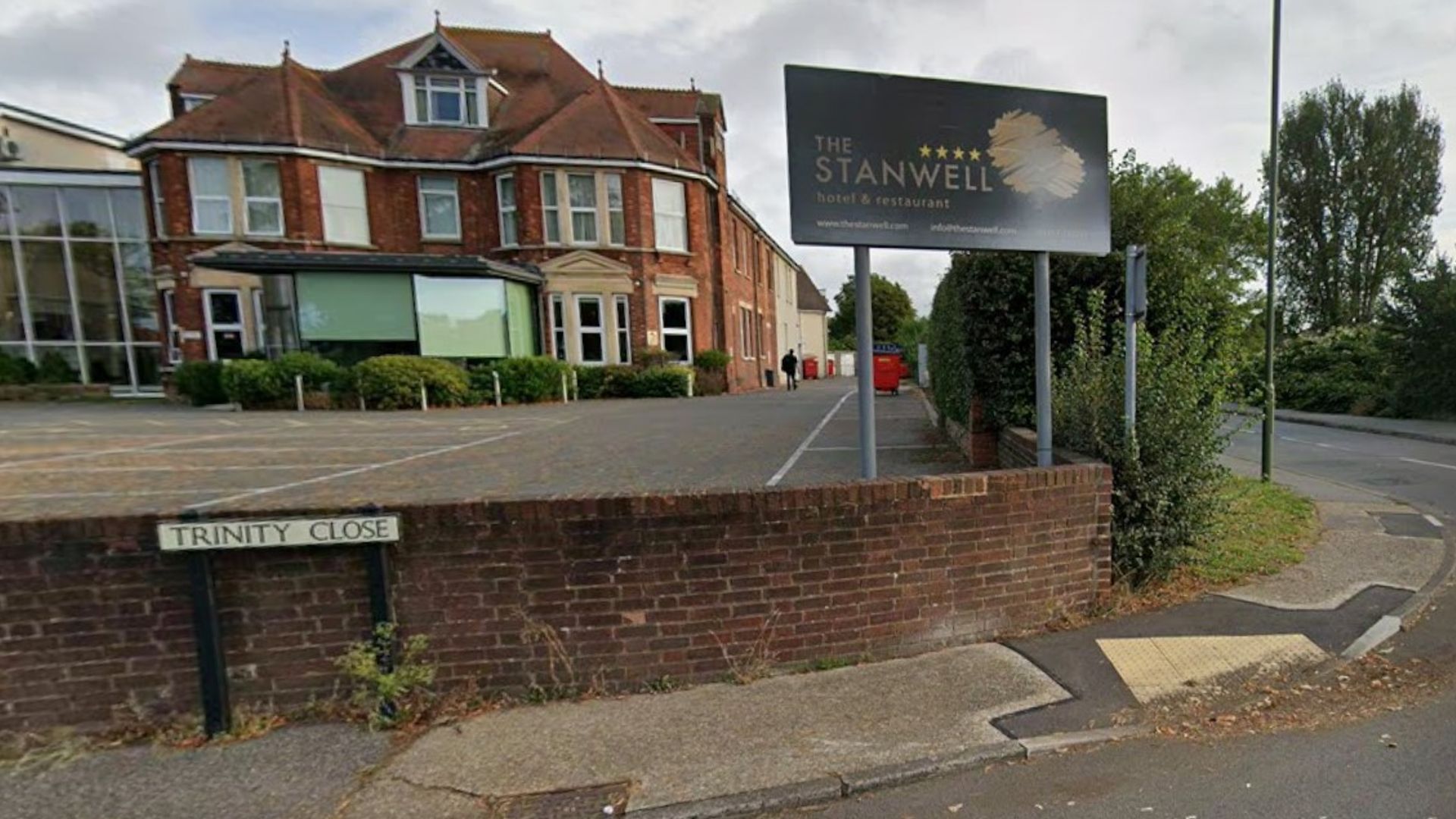
Public safety incidents involving emergency housing facilities for asylum seekers expose severe structural deficiencies in intake routing, facility management, and site security protocols. When a violent altercation occurs within a designated contingency accommodation site, the event is rarely an isolated behavioral anomaly. Instead, it serves as a lagging indicator of systemic friction across multiple operational variables. Standard media reporting tends to reduce these occurrences to episodic crime narratives, stripping away the underlying mechanics of institutional strain, capacity overload, and inadequate threat mitigation frameworks.
Evaluating these incidents requires moving past reactive crisis communication and examining the structural mechanics governing contingency housing management. Municipalities and central governments frequently utilize commercial hotels as overflow housing due to rapid influxes of displaced populations. This practice introduces complex logistical hurdles that test the limits of traditional security models. To understand why critical failures occur, one must map the operational architecture of these facilities against the realities of high-density, heterogeneous populations experiencing acute situational stress.
The Operational Mechanics of Contingency Housing
Contingency housing differs fundamentally from standard municipal shelter systems or long-term immigration processing centers. Hotels are structurally designed for transient, short-term residency, featuring high foot traffic, multiple access points, and minimal internal monitoring infrastructure. When repurposed for long-term or indefinite housing for asylum seekers, these physical assets experience immediate functional strain.
The primary variable governing safety in these environments is the density-to-oversight ratio. Standard commercial properties operate with minimal on-site security personnel because typical guests require little behavioral management. When thousands of individuals with diverse backgrounds, trauma histories, and uncertain legal futures are concentrated into a single facility without proportional increases in supervisory staffing, the control environment degrades rapidly.
Capacity and Flow Control
Facility saturation creates immediate operational bottlenecks. Intake processes that fail to screen for acute psychiatric distress, substance dependency, or interpersonal conflicts imported from transit routes guarantee friction inside the housing block.
- Spatial Compression: High-density living conditions exacerbate interpersonal tension. Shared amenities, restricted square footage per occupant, and a lack of private space elevate baseline cortisol levels among residents.
- Information Asymmetry: Extended delays in legal adjudication combined with opaque administrative communication breed profound institutional distrust. Residents often perceive management as an extension of an indifferent bureaucracy, reducing compliance with internal facility rules.
- Third-Party Vendor Fragmentation: Governments frequently outsource facility operations to private contractors. This introduces a principal-agent problem where the contractor's incentive to minimize overhead directly conflicts with the state's requirement for rigorous security and comprehensive resident support services.
Risk Amplification Vectors
Violence within housing facilities does not materialize spontaneously. It is the result of unmanaged risk vectors converging within a constrained physical space.
Security Architecture Failures
Most commercial hotels lack the perimeter control necessary for high-risk environments. Vulnerabilities include:
- Porous Access Points: Multiple emergency exits, underground parking garages, and large lobby areas make it nearly impossible to track non-resident entry and exit effectively.
- Reactive Rather Than Proactive Monitoring: Security protocols are typically deployed in a posture of incident response rather than threat prevention. Guards are stationed to document breaches or manage disturbances after they escalate, rather than identifying early behavioral indicators of conflict.
- Absence of De-Escalation Frameworks: Private security staff are rarely trained in trauma-informed conflict resolution or intercultural mediation. Their primary tools are physical deterrence and law enforcement escalation, which frequently inflames volatile situations rather than neutralizing them.
Psychosocial Pressures
The operational environment is further complicated by the psychological profile of the population. Asylum seekers often arrive after experiencing severe trauma, prolonged deprivation, and dangerous transit journeys. Placing these individuals into indefinite limbo within a hyper-dense, highly restricted hotel environment without adequate mental health infrastructure creates an untenable psychological load.
When acute psychiatric needs go unmet, minor interpersonal disputes over shared spaces or resources routinely escalate into physical altercations. The lack of structured daily activity—such as language classes, work authorization, or community integration programs—leaves a vacuum filled by idleness, frustration, and secondary trauma.
The Cost Function of Reactive Management
When an institutional failure culminates in a violent incident, such as a stabbing or aggravated assault, the resulting policy response is nearly always reactive and misallocated. State actors typically respond by increasing visible police presence or abruptly terminating contracts with specific hotel providers, displacing the population to another location without fixing the underlying systemic root causes.
This approach fails because it treats symptoms while ignoring the underlying structural mechanics. The cost function of this strategy is exceptionally high, manifesting across three distinct dimensions:
- Fiscal Waste: Emergency re-housing, heavy policing, and frequent contract renegotiations drain municipal resources far more rapidly than sustained, properly funded long-term housing models would.
- Social Polarization: High-profile incidents at contingency sites fuel anti-immigrant political narratives and provoke immediate pushback from local residential communities, narrowing the political window for rational policy formulation.
- Institutional Degradation: Constant crises demoralize frontline workers, lead to high staff turnover among facility operators, and further reduce the baseline quality of care and security.
Systemic Realignment Strategies
Resolving the vulnerabilities inherent in hotel-based contingency housing requires abandoning short-term containment models in favor of structured, decentralized integration frameworks.
Decentralized housing models—distributing smaller groups of asylum seekers into community-based apartments or specialized micro-facilities—drastically reduce the density-driven friction that defines large hotel sites. Smaller cohorts are easier to monitor, integrate more effectively with local social services, and do not trigger the hyper-visible security concerns associated with massive downtown hotels operating as de facto detention centers.
Furthermore, procurement contracts for emergency housing must be tied to strict operational key performance indicators. Private operators should be held legally and financially accountable for maintaining comprehensive mental health triage, professional security staffing trained in mediation, and transparent communication channels between residents and administrative authorities.
To eliminate the systemic conditions that allow violent incidents to occur, administrators must dismantle the reliance on transient commercial assets for long-term population management. The transition from reactive containment to proactive integration is the only structural intervention capable of stabilizing the environment for both residents and the surrounding communities.


