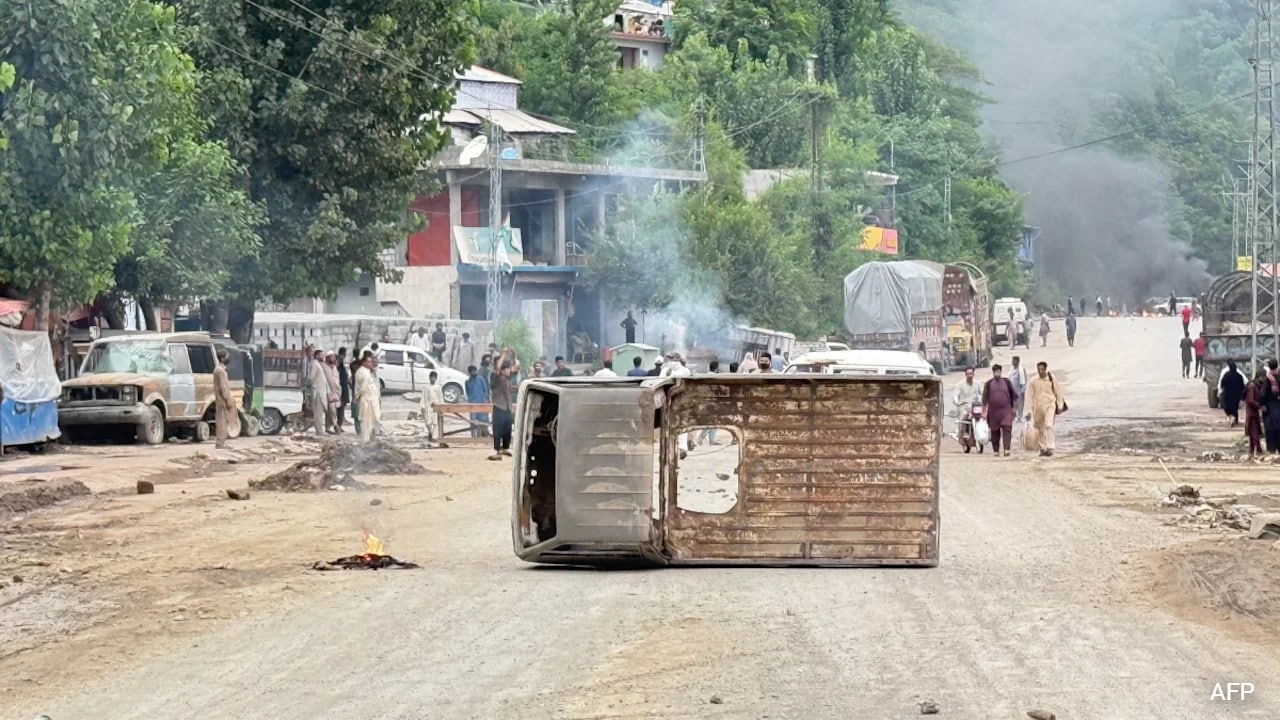
The institutional mechanism of state censorship operates through predictable levers of friction, restriction, and territorial containment. When public resistance outstrips the capacity of a government to manage through conventional policing, administrative control shifts toward the information layer. The implementation of the Foreign Media Facilitation Guidelines 2026 by Islamabad represents a structural response to a systemic crisis: the unravelling narrative control in Pakistan-administered Kashmir, locally designated as Pakistan-occupied Kashmir, or PoK.
By forcing international correspondence into a geographical bottleneck, the state has converted reporting into a heavily gatekept administrative privilege rather than an independent check on power.
The Three Pillars of the 2026 Media Quarantine
The administrative architecture of the new guidelines relies on three distinct pillars designed to eliminate spontaneous reporting and centralize authorization within the Ministry of Information and Broadcasting’s External Publicity Wing.
The first pillar is territorial restriction. Foreign correspondents are permitted to operate autonomously only within three designated urban centers: Islamabad, Lahore, and Karachi. Any movement outside these boundaries for the purpose of producing news reports, documentaries, video content, or social media updates requires a mandatory No Objection Certificate. This effectively cordons off sensitive zones, including the administrative apparatus and population centers of Kashmir, from independent verification.
The second pillar is workforce registration. The regulatory scope extends beyond traditional foreign correspondents to include local fixers, independent translators, freelance contributors, production houses, and even diaspora journalists writing for overseas outlets. Each entity must secure official accreditation backed by employer endorsement, establishing a chain of liability that discourages unauthorized information sharing.
The third pillar is discretionary accreditation withdrawal. The framework empowers authorities to revoke press credentials based on broad, undefined clauses involving the ideology, sovereignty, security, or public order of Pakistan. Because these criteria lack precise legal thresholds, compliance requires preemptive self-censorship to avoid administrative penalties.
The Cost Function of Information Control
The state's decision to restrict foreign media follows intense domestic and international scrutiny regarding the handling of demonstrations, election boycotts, and security force crackdowns in PoK. Economic grievances, administrative dissatisfaction, and disputed regional elections created sustained public mobilization in cities such as Muzaffarabad. When local media suppression failed to contain the narrative—compounded by international coverage documenting civilian casualties and opposition friction—the cost function shifted.
Allowing unmonitored reporting carried a higher political price for Islamabad than enduring international diplomatic censure. By constricting physical access and restricting digital platforms—such as the blocking of international broadcasters and targeted digital channels—the government aims to raise the resource cost for external outlets attempting to verify ground realities.
The Regulatory Mechanics and Enforcement Bottlenecks
The operational mechanism of the guidelines relies on discretionary bureaucracy to stall reporting timelines. The framework does not mandate a fixed turnaround window for processing No Objection Certificate applications, leaving journalists vulnerable to indefinite administrative delays.
This creates a structural bottleneck:
- Application Submission: Foreign media outlets must file detailed itineraries through local employers, subject to review by the External Publicity Wing.
- Vetting and Endorsement: Security and intelligence vetting runs parallel to administrative checks, lengthening approval cycles beyond the lifespan of breaking news events.
- Enforcement and Penalties: Failure to secure prior clearance results in immediate accreditation cancellation, visa revocation, and expulsion, as observed during recent reporting deployments in Kashmir.
Concurrently, digital censorship has expanded to target alternative information vectors. Judicial directives and cybercrime agency reports have been leveraged to restrict YouTube channels, regional news portals, and international streaming platforms that document the unrest. Because television and print channels face direct oversight, these digital channels represented the primary conduits for uncurated documentation.
Systemic Vulnerabilities of Institutional Secrecy
Imposing strict information barriers introduces operational risks for the governing apparatus. When traditional verification channels are closed, information flow does not stop; it shifts to decentralized, unverified peer-to-peer networks and encrypted applications. This reduces the state's ability to contest or shape narratives through official rebuttals, as any counter-messaging is viewed through an inherited deficit of credibility.
Furthermore, isolating regions experiencing civil friction prevents constructive dialogue between regional populations and central authorities, deepening structural alienation. International bodies, press freedom organizations, and foreign ministries register these actions as quantifiable indicators of democratic regression, impacting bilateral diplomatic engagements and economic perception indices.
Enforce compliance protocols through localized digital monitoring while simultaneously utilizing diplomatic channels to contest international reporting frameworks.