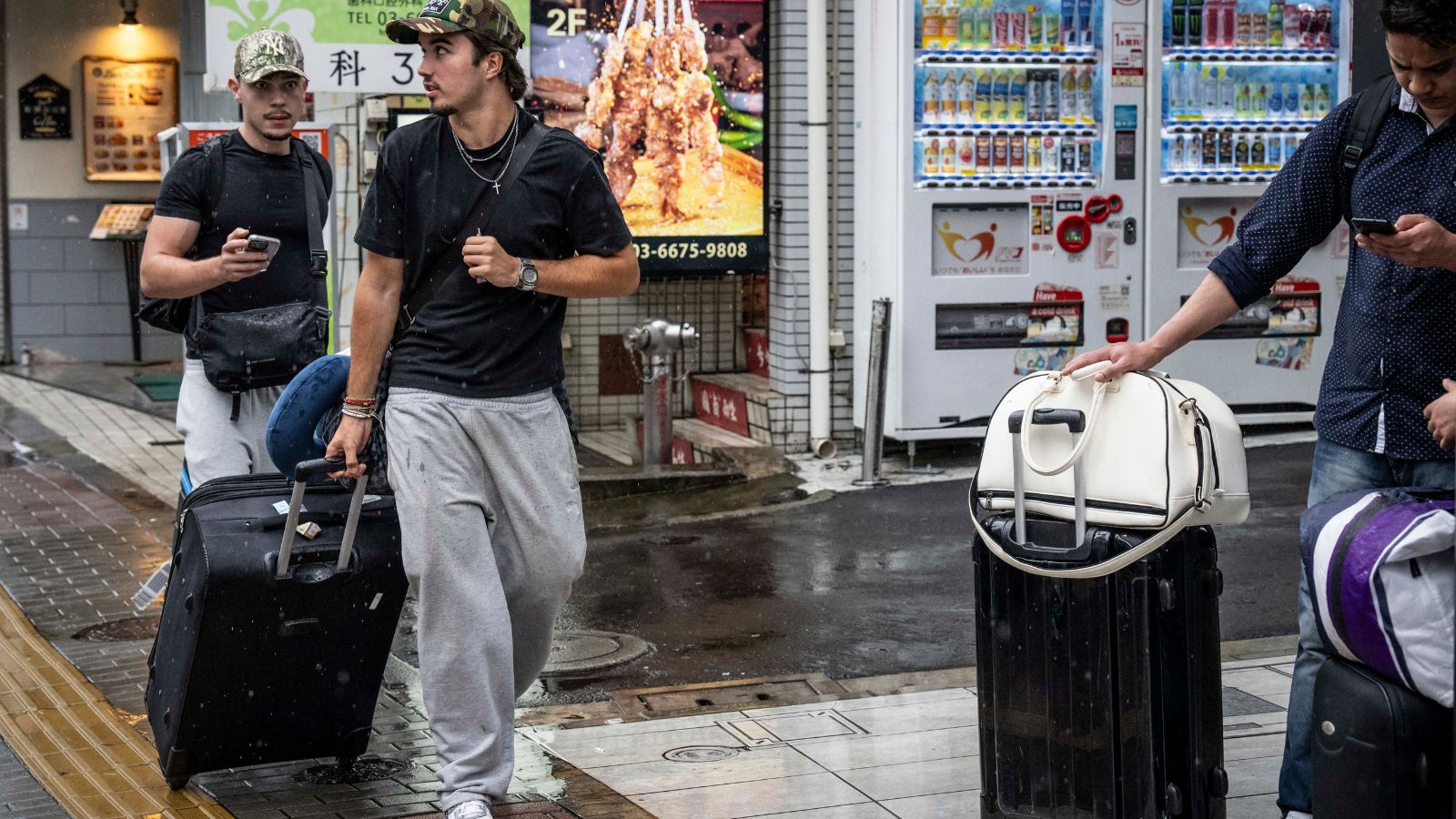
The air inside a commercial cabin is recycled every three minutes, but it never feels that way when things go wrong. It starts with a heavy, sweet smell. Stale lager. Warm gin. The unmistakable musk of a pre-flight airport bar binge carried onboard in the lungs and clothing of people who view a two-hour flight as a brief, disposable bridge between reality and vacation.
We buy cheap airline tickets because we believe we are buying time. We trade comfort for speed, assuming the transaction is simple. You sit in a cramped, plastic seat of aggressive yellow and blue trim, you endure the scratchy intercom announcements, and ninety minutes later, you step into the Mediterranean sun. It is a modern social contract, fragile and entirely reliant on everyone agreeing to behave themselves for just a little while.
When that contract dissolves, it happens fast.
Consider a routine afternoon flight across Europe, the kind taken by millions of travelers every week. It was supposed to be a straightforward leap from a gray northern afternoon to a sun-drenched holiday destination. Instead, it became a twelve-hour psychological experiment in confined spaces, featuring a mid-air brawl, an impromptu cabin uprising, and two emergency landings that turned an ordinary aircraft into a flying pressure cooker.
The Friction of Cheap Flight
The warning signs rarely begin in the air. They start at the gate, where the cheap alcohol flows too freely and the anticipation of a holiday strips away ordinary social inhibitions. By the time the cabin doors seal, the environment is already volatile.
On this particular flight, the spark was a row of passengers who had treated the departure lounge as a personal bacchanal.
Airplanes are masterclasses in forced intimacy. Your elbow belongs to your neighbor. Your knees press against the seat in front of you. When a group of individuals enters this space already compromised by heavy drinking, the lack of physical boundaries becomes an immediate threat. It began with loud shouting, the kind of performative bravado that makes an entire cabin go quiet, everyone collectively hoping it will die down.
It did not.
Within an hour of takeoff, the verbal friction escalated into physical violence. Imagine being trapped in a tube less than twelve feet wide, hurtling through the upper atmosphere at five hundred miles per hour, while a fistfight breaks out three rows away. Pots of hot coffee are rattled, flight attendants scream for order, and the sickening thud of human flesh hitting plastic paneling echoes through the fuselage.
Panic is infectious. It spreads through a cabin like a physical wave. Children began to cry. Parents threw their bodies over their kids to shield them from the flying fists and spilled drinks. The cabin crew, trained primarily for safety and emergency evacuations, found themselves acting as high-altitude bouncers, putting their own physical safety on the line to separate grown adults who had lost all sense of reality.
The captain made the only logical choice available. The nose of the aircraft dipped. They were going down, fast, but not because of a mechanical failure. They needed a runway, and they needed police.
The First Descent
The plane diverted to an intermediate airport, cutting through the cloud cover to bring the chaos to a temporary halt.
For the exhausted families and terrified holidaymakers onboard, the sight of flashing blue emergency lights on the tarmac brought a collective sigh of relief. Local police boarded the aircraft, aggressively pulling the primary instigators from their seats and dragging them down the aisle to a chorus of jeers and nervous applause.
The immediate danger was gone. The disruptive elements were in custody. In a rational world, this would be the end of the ordeal. A brief delay, a quick refueling, and a resume of the journey.
But aviation is governed by strict, unyielding laws of time and bureaucracy.
The plane sat on the tarmac. Minutes stretched into hours. The air grew stiflingly hot as the ground air conditioning struggled to keep up with the summer heat. The cabin crew, already emotionally drained from breaking up a violent altercation at thirty-five thousand feet, were now tasked with managing nearly two hundred increasingly angry, dehydrated, and confused passengers.
The psychological shift that occurs during a prolonged tarmac delay is subtle but dangerous. Initially, there is solidarity. Everyone agrees the drunk passengers ruined the day. But as the clock ticks past the three-hour mark, that solidarity curdles. The airline ceases to be the victim of disruptive passengers; it becomes the captor.
The Point of No Return
The human body is not designed to sit strapped to a narrow piece of foam for half a day without adequate information, food, or movement.
Tempers flared again, but this time, the anger was directed outward at the crew. When passengers were told they could not leave the aircraft due to customs regulations at the diversion airport, the atmosphere turned toxic. People stood up in the aisles, refusing to sit down. They demanded water. They demanded to speak to the captain.
It was a modern, localized mutiny.
The flight crew was facing a dual crisis: a cabin on the verge of a second, larger riot and the ticking clock of legal flight working hours. Pilots and cabin crew are legally mandated to stop flying after a certain number of hours to prevent fatigue-related disasters. The delay on the tarmac was eating into those hours.
By the time the aircraft was finally cleared to take off again, the crew was running on fumes, both literally and metaphorically. The atmosphere inside the cabin was no longer one of holiday anticipation. It was grim. It was hostile.
Then, the second blow fell.
The Second Disruption
The flight took off for its original destination, but the cascading delays had created a logistical nightmare. The destination airport had a strict night curfew, a common environmental restriction designed to protect local residents from midnight engine noise. Because of the hours lost during the first brawl and the subsequent tarmac delay, the flight was on track to miss the cutoff by mere minutes.
The announcement from the cockpit was met with a chorus of groans and outright screams of fury. They could not land where they wanted to go. They were diverting. Again.
This second diversion was the breaking point for the collective sanity of the cabin.
The plane altered course for a different airport, hundreds of miles away from where the passengers’ hotels, rental cars, and waiting families were located. When the wheels finally touched down for the second time, twelve hours had elapsed since the original departure. A short-haul hop had mutated into a grueling, cross-continental marathon of endurance.
Passengers spilled out into a closed, darkened terminal building in the middle of the night, abandoned by the logistical machinery of a low-cost airline that had simply run out of options and available staff. There were no coaches waiting. There were no hotel vouchers. There was only the cold tile floor of an unfamiliar airport and the bitter realization of what a cheap ticket can truly cost.
The Real Price of the Ticket
We live in an era where air travel has been democratized to the point of banality. We treat a flight like a city bus ride, forgetting the immense logistical, physical, and psychological pressures required to keep a human beings alive and moving through the sky.
When we strip away the margins of comfort, we also strip away the margins of safety and human patience. The aviation industry faces a growing crisis of unruly passenger behavior, driven by cheap alcohol, stressful airport environments, and a general decline in public decorum.
The true cost of a twelve-hour flight from hell isn't measured in the price of a refunded ticket or the cost of a missed hotel night. It is measured in the invisible toll taken on the people who had to endure it. The children who are now terrified of flying. The flight attendants who go to work wondering if they will be assaulted during their shift. The ordinary travelers who realize, with shocking clarity, how thin the veneer of civilization really is when you are trapped in a metal box miles above the earth.
The next time you book a impossibly cheap flight, look closely at the passengers waiting at the gate with you. Look at the open bars. Look at the crowded seating. The machinery of modern travel works perfectly until it doesn't, and when it fails, you are entirely on your own.