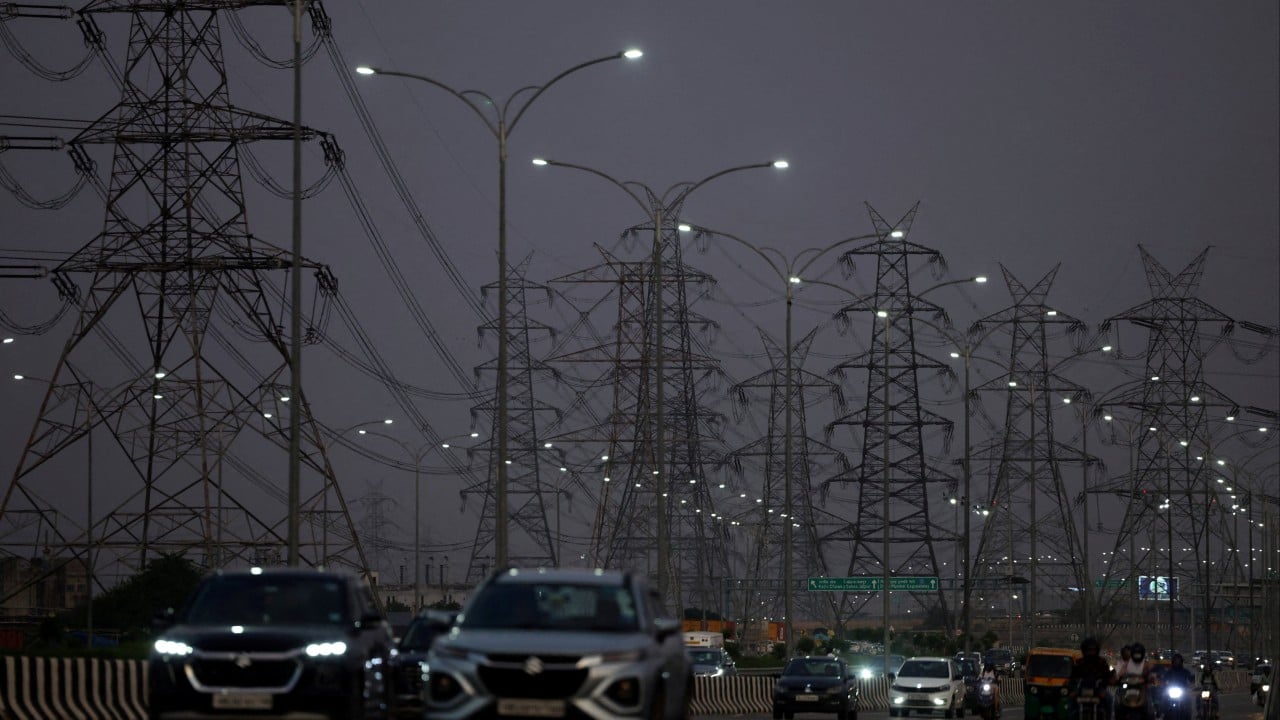
Power system reliability operates on a razor thin margin between real-time generation and instantaneous consumption. When demand velocity outpaces transmission capacity and primary fuel supply, the network experiences a cascading retreat of voltage stability. The widespread rolling blackouts affecting Indian households and industrial manufacturing facilities are not random anomalies. They represent the predictable systemic failure of an energy architecture burdened by structural rigidities, supply chain bottlenecks, and an unyielding structural mismatch between coal logistics and peak electrical loads.
Evaluating this systemic strain requires moving beyond surface-level political narratives and examining the underlying economic and operational mechanics. A power grid behaves as a closed thermodynamic loop. Every kilowatt-hour consumed must be instantaneously generated, transmitted, and balanced. When structural inputs falter, the system absorbs the shock through frequency degradation or load shedding.
The Structural Mechanics of Grid Stress
The fundamental vulnerability of the Indian electrical grid stems from a multi-tiered bottleneck linking fuel extraction, railway logistics, thermal generation, and distribution utility solvency. Understanding why industrial zones and residential areas experience sudden power deficits requires analyzing the cost and velocity functions of each tier.
The Fuel Extraction and Transport Constraint
Electricity generation in India remains heavily anchored in domestic thermal coal. However, the geographic distribution of coal reserves creates an immediate logistical friction. Major coal deposits are concentrated in eastern states like Odisha, Jharkhand, and Chhattisgarh, while high-demand industrial and residential centers sit hundreds or thousands of kilometers away.
This spatial separation converts the fuel supply chain into a complex logistics problem managed primarily by state-owned enterprises. The coal supply function is governed by two variables:
- Extraction volume at the pithead
- Evacuation velocity via rail networks
When ambient temperatures rise or industrial output accelerates, cooling and manufacturing loads surge concurrently. This creates a step-function increase in electricity demand. Thermal power plants must ramp up burn rates to match load profiles. However, railway rakes cannot accelerate delivery velocity at the same rate. Coal inventory days at generating stations drop rapidly below the mandated safety threshold of fifteen to twenty days. Once reserve inventories breach critical minimums, plants operate at reduced capacity factors or shut down entirely, regardless of nominal nameplate capacity.
The Financial Insolvency Feedback Loop of Distribution Companies
The physical blackouts at the consumer end are downstream effects of financial distress concentrated at the distribution utility level, known as Discoms. Most state-owned Discoms operate under chronic financial deficits driven by a structural revenue model.
Discoms purchase power from generators under long-term power purchase agreements and sell it to end-users. Regulatory frameworks often mandate cross-subsidization where industrial and commercial consumers pay inflated tariffs to subsidize heavily discounted or free power for agricultural and low-income residential consumers.
This creates severe operational vulnerabilities:
- Industrial consumers, facing high cross-subsidization surcharges, look for alternative captive power sources or reduce grid intake during peak pricing hours.
- Discoms accumulate severe payment arrears to generation companies, impairing the liquidity of power producers.
- Cash-strapped generators struggle to procure spot-market coal or execute necessary maintenance on thermal units.
When aggregate demand spikes unexpectedly, Discoms lack the liquidity to purchase expensive short-term power from the real-time electricity market. To prevent total grid collapse, system operators enforce rotational load shedding, cutting power to specific industrial feeders and residential zones.
The Economic Impact on Manufacturing and Productivity
Factories hit by hours of blackouts face immediate operational disruption. Modern manufacturing processes, particularly in continuous-process industries like metallurgy, chemicals, and precision machining, rely on uninterrupted power stability.
When voltage drops or sudden load shedding occurs, the economic consequences compound across three vectors:
- Capital Asset Damage: Sensitive industrial machinery suffers component degradation or sudden thermal shock when power is abruptly severed mid-cycle.
- Yield Loss and Material Waste: In-process materials inside furnaces, chemical vats, or automated assembly lines are frequently ruined, resulting in immediate scrap generation and lost raw material costs.
- Downtime and Labor Inefficiency: Restoring plant operations after an unplanned outage requires hours of diagnostic checks, purging, and recalibration. Labor remains idle while fixed overhead costs continue to accrue.
Consequently, recurring power deficits erode industrial competitiveness. Manufacturing units are forced to invest heavily in backup diesel generator sets. Diesel generation introduces a severe cost penalty, replacing cheap grid power with expensive fossil fuel combustion, compressing profit margins and discouraging capital expenditure.
Systemic Interventions and Long-Term Adjustments
Resolving chronic power deficits requires targeted structural interventions across the energy value chain. Incremental adjustments to coal allocation or emergency appeals to industrial consumers fail to address the root systemic causes.
Long-term stabilization depends on decoupling thermal coal logistics from rail bottlenecks through increased slurry pipeline transport and localized pithead generation complexes. Simultaneously, reforming the financial architecture of distribution utilities through tariff rationalization and direct benefit transfer mechanisms is essential to restore liquidity to the power procurement cycle.
As renewable energy integration accelerates, the grid requires complementary investments in utility-scale battery storage and flexible gas-peaker plants to manage the intermittency of solar and wind generation. Without these structural enhancements, demand surges will continue to expose the fragility of the power network, translating fuel logistics failures directly into industrial downtime.