Seismic energy release rarely halts with the initial rupture. When a magnitude 7.7 earthquake struck north of Flores Island in Indonesia's East Nusa Tenggara province, the primary shock accounted for only a fraction of the total structural and psychological damage inflicted on the region. Within seventy-two hours, nearly 1,600 aftershocks cascaded through the geological formation, converting a localized structural failure into a widespread regional displacement crisis. Analyzing disaster events requires moving past basic casualty counts to examine the mechanical, logistical, and behavioral variables that dictate the scale of human impact.
The Mechanics of Seismic Fatigue
Structural integrity in high-risk tectonic zones is governed by cumulative stress rather than isolated load limits. Traditional building codes evaluate maximum instantaneous shear forces, yet prolonged seismic sequences test structural endurance across multiple dimensions.
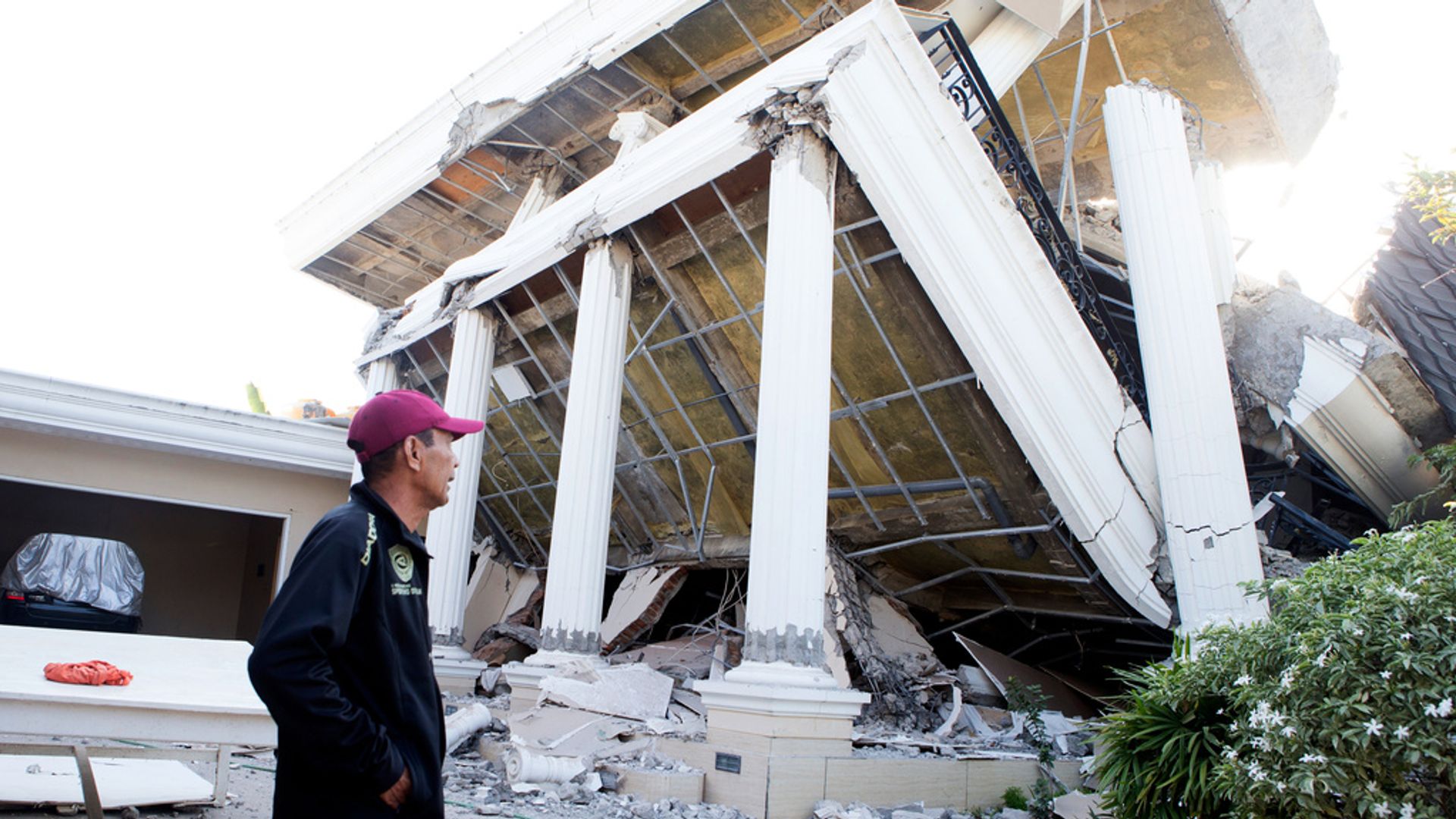
The initial rupture north of Flores unleashed profound energy, but the accumulation of nearly 1,600 subsequent tremors created an environment of continuous material fatigue. Masonry and unreinforced concrete structures that survived the primary shock often possessed compromised internal lattices. Each recurring tremor—such as the measurable 5.6 magnitude event recorded in Nagekeo—acts as a secondary stressor, widening hairline fractures and shifting load-bearing columns incrementally until structural collapse occurs.
This phenomenon explains why structural failure indices climb even hours and days after the initial event. The mechanical cost function of aftershocks can be modeled through the Omori-Utsu law, which dictates the frequency and decay rate of secondary tremors. In high-density archipelagic zones like East Nusa Tenggara, the sheer density of aftershocks prevents engineering assessment teams from certifying building safety, locking communities in a state of indefinite vulnerability.
The Logistical Friction of Island Geographies
Disaster response efficacy is a function of supply chain resilience and geographic accessibility. When tectonic disruptions coincide with physical barriers, relief operations face severe structural bottlenecks.
The Flores earthquake triggered localized landslides that severed arterial roadways across the Sikka and Manggarai regions. In archipelagic environments, transportation infrastructure depends heavily on a connected matrix of coastal roads, bridges, and regional ports. When landslides compromise these pathways, the distribution network fractures into isolated nodes.
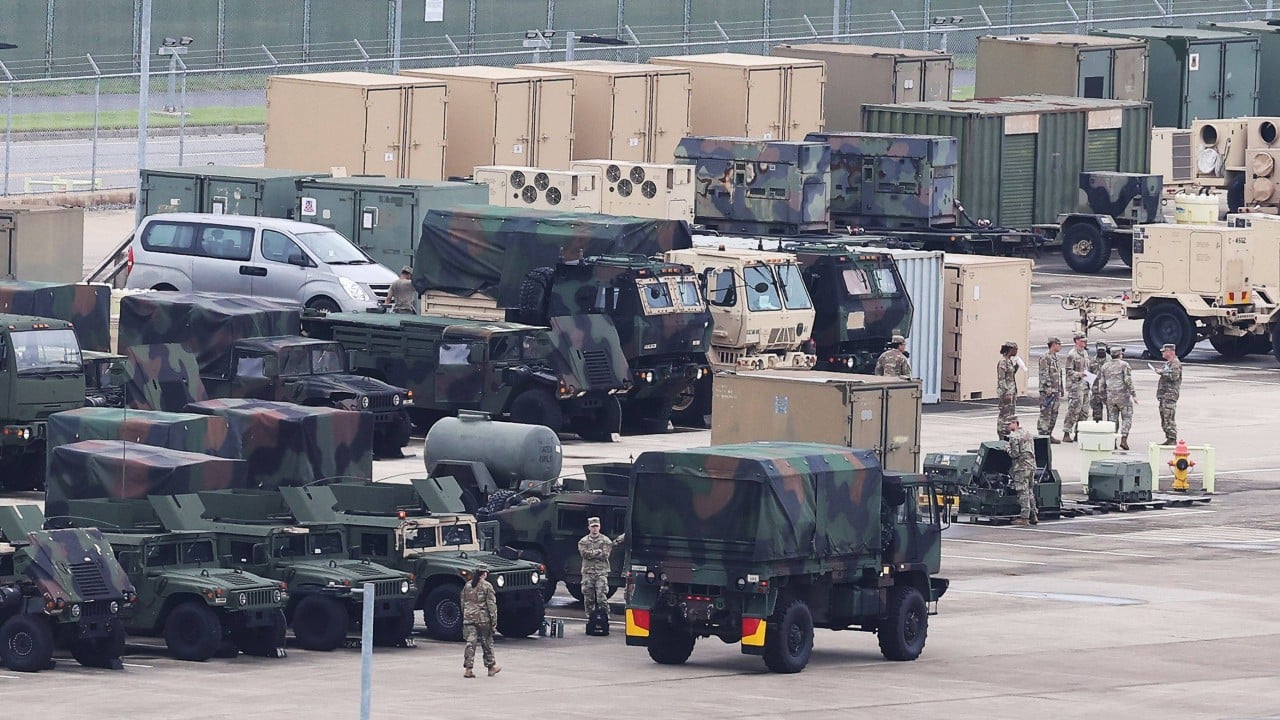
National disaster mitigation agencies deployed more than 1,400 personnel alongside hundreds of tons of emergency provisions, utilizing military transport aircraft and helicopters to bypass terrestrial blockages. However, air-drop logistics and localized heli-deployments possess inherent constraints regarding payload mass, fuel consumption, and landing zone availability. Small outlying islands, such as Palue, present severe logistical friction, requiring specialized marine and aerial coordination to reach populations stripped of basic caloric and medical supplies.
The latency between the initial shock and the arrival of sustained logistical support introduces a secondary operational risk: resource depletion among isolated survivors. When internal supply lines are cut, populations must rely entirely on pre-positioned local reserves, which are frequently insufficient in low-income rural sectors.
Behavioral Feedback Loops and Displacement Economics
Disaster impacts extend deep into sociological and psychological variables, manifesting as mass displacement and physiological stress responses. Approximately 13,000 individuals were forced into makeshift outdoor encampments, schools, and government compounds, driven not solely by structural destruction but by acute behavioral aversion to indoor spaces.
The persistent frequency of aftershocks generates a continuous feedback loop of panic. Human risk assessment under chronic threat conditions becomes skewed toward hyper-vigilance. Populations refuse to reoccupy dwellings—even those structurally certified as sound—due to the perceived unpredictability of subsequent tremors. This behavioral response shifts thousands of residents into temporary tents, creating dense encampments lacking robust sanitation infrastructure.
The economic cost of this displacement is multifaceted. Agricultural and trade activities stall as laborers and merchants redirect all cognitive and physical resources toward basic survival and shelter maintenance. Furthermore, prolonged outdoor exposure triggers acute public health complications. Vulnerable demographics, such as elderly individuals with chronic respiratory conditions like asthma, experience exacerbated health crises due to dust inhalation, nighttime temperature drops, and the psychological burden of sustained seismic rattling.
Strategic Operational Deployment
Mitigating structural and human losses in high-frequency seismic zones requires transitioning from reactive emergency management to predictive structural reinforcement.
Retrofitting unreinforced masonry in high-risk Indonesian districts must become a primary capital expenditure priority. Traditional construction methodologies in rural sectors frequently omit flexible seismic bands and ductile framing, rendering buildings exceptionally fragile to multi-shock sequences. Engineering protocols should mandate the integration of low-cost confinement techniques for local masonry to prevent catastrophic pancake collapses during initial ruptures.
Logistical frameworks must incorporate decentralized supply caching. Relying on centralized national airbases for rapid deployment introduces unacceptable transit latency during the critical golden hours following a major tectonic event. Establishing pre-positioned, hardened supply depots on secondary islands ensures immediate local distribution regardless of coastal road blockages or bridge failures.
Deploy structural monitoring sensor networks across high-risk fault lines to provide real-time structural health indices for civic architecture, replacing manual post-disaster guesswork with automated safety verification.