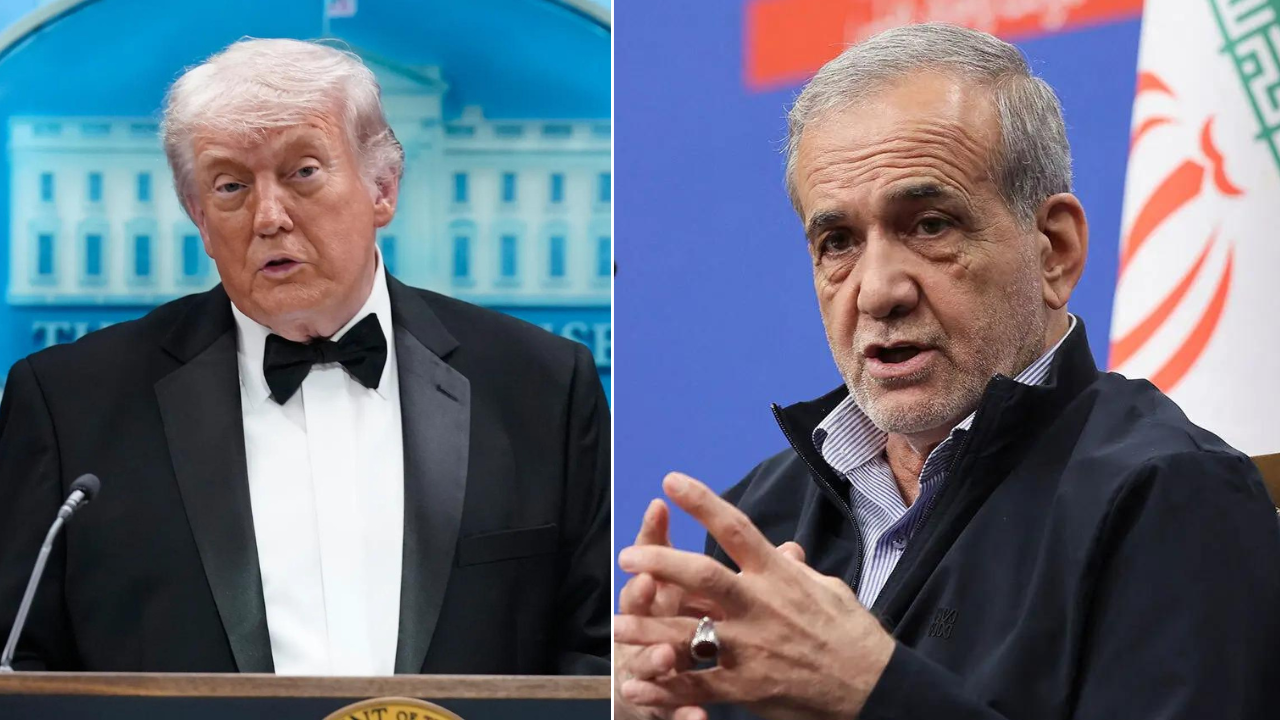
The June 2026 interim agreement between the United States and Iran establishes a high-stakes, 60-day transitional framework designed to avert systemic global energy shocks at the expense of significant structural concessions. Stripping away the political rhetoric from both Washington and Tehran reveals a transactional matrix governed by asymmetry. Iran secures immediate, front-loaded economic liquidity and the removal of maritime containment, while the United States receives a temporary pause on weapons-grade enrichment and an unverified commitment to maritime normalization. Deconstructing this arrangement requires analyzing the cash flows, the logistics of the Strait of Hormuz, and the strategic bottlenecks that will govern the upcoming permanent negotiations.
The Financial Liquidity Function: Front-Loaded Concessions vs. Conditional Capital
The economic architecture of the memorandum operates on two distinct timelines: immediate operational cash generation for Tehran and long-term, conditional capital commitments managed by external actors.
Immediate Revenue Re-establishment
The most immediate structural shift is the issuance of waivers by the United States Treasury Department for the export of Iranian crude oil, petrochemical products, and associated financial, shipping, and insurance services. This completely bypasses the secondary sanctions apparatus that previously isolated the Central Bank of Iran. By transitioning from black-market smuggling discounts to open-market Brent crude pricing, Iran stands to optimize its state revenue instantly. With Brent crude stabilizing near $78 to $80 per barrel following the announcement, the immediate resumption of normalized export volumes—historically targeting 1.5 to 2.5 million barrels per day—provides Tehran with an un-discounted hard currency cash flow pipeline during the 60-day negotiation window.
The $300 Billion Reconstruction Framework
The headline figure of $300 billion earmarked for the rehabilitation and economic development of Iran is not a direct fiscal transfer from the United States Treasury. The legal text defines this as a multilateral financing framework to be guaranteed by the United States and its regional partners, primarily the Gulf Cooperation Council states. The mechanism operates under strict structural constraints:
- Capital Disbursal Risk: Financing is structurally decoupled from the interim period and remains entirely contingent upon the execution of a finalized treaty.
- Collateralization and Credit Risk: The United States acts as a political guarantor rather than a primary underwriter. Capital will flow via international development loans and state-backed foreign direct investment, transferring the immediate financial burden to regional states seeking maritime stability.
- Asset Liquidation Velocity: The unfreezing of restricted Iranian capital held in foreign accounts is explicitly tied to the progress metrics evaluated during the 60-day window. The Central Bank of Iran maintains ultimate authority over the final beneficiary payments of these funds once released, though the physical issuance of licenses remains subject to rolling validation by Washington.
The Hormuz Logistics Equation: Friction and Sovereign Tolls
The physical reopening of the Strait of Hormuz represents the core geopolitical swap of the memorandum, ending a four-month naval blockade and reversing a historic energy crisis. The operational mechanics of this reopening, however, contain built-in structural bottlenecks.
The agreement dictates that maritime traffic must return to pre-war volumes within 30 days. This target faces immediate physical limitations. The clearing of naval mines and the neutralization of improvised maritime hazards require significant technical coordination. The text leaves the execution of mine clearance to Iran, establishing a structural dependency where Tehran controls the velocity of maritime normalization.
A critical divergence exists regarding the post-blockade operational economics of the waterway. The United States positioning emphasizes a toll-free transition for global shipping. Conversely, the newly established Persian Gulf Strait Authority, managed by Tehran, plans to implement a mandatory fee structure for environmental upkeep and navigational services at the expiration of the 60-day interim period.
Because approximately 20% of the world's petroleum liquids pass through this transit point, the transition from an outright military blockade to a localized regulatory and fee-collection regime alters the long-term cost function of global maritime insurance. Shipping lines will no longer face wartime premiums, but they will integrate a permanent sovereign transaction cost into Persian Gulf logistics.
Nuclear Down-Blending and the Verification Gap
The primary security objective for the United States was the neutralization of Iran's breakout capability. The interim deal addresses this through a specific structural compromise: the International Atomic Energy Agency will oversee the monitoring and down-blending of Iran's 440-kilogram stockpile of 60% highly enriched uranium.
[Iran's 60% Enriched Uranium Stockpile (440kg)]
       │
       ▼ (IAEA Monitored Down-Blending Process)
[Low-Enriched Uranium Status] ──► (Prevents Immediate Weapons Breakout)
       │
       ▼ (The Structural Loophole)
[Centrifuge Infrastructure Intact] ──► (Allows Rapid Re-Enrichment if Talks Collapse)
This mechanism introduces an operational paradox. While down-blending physically extends the clock required for Iran to assemble a nuclear weapon, the underlying technological infrastructure remains unaltered. The memorandum enforces a status quo freeze on further enrichment above current levels for the next 60 days, but it does not mandate the dismantling of advanced centrifuge cascades.
The structural loophole is evident: Iran retains its domestic enrichment expertise and hardware. If permanent treaty negotiations dissolve at the end of the 60-day window, the timeline required to re-enrich low-enriched material back to weapons-grade status is significantly shorter than the time required to build the initial infrastructure. The United States has traded immediate material down-blending for long-term verification uncertainties.
Geopolitical Externalities and Proxy Symmetry
The memorandum attempts to enforce a regional ceasefire on all fronts, explicitly naming Lebanon to address the friction caused by Israel's northern military operations against Hezbollah. This component represents the most fragile variable in the strategic equation due to a lack of tripartite alignment.
The structural misalignment can be broken down into three distinct friction points:
- Sovereignty vs. Alignment: The text binds the United States and Iran to respect territorial integrity and restrain regional proxies. However, the United States cannot legally or operationally dictate the defensive posture of Israel, which has rejected demands for immediate withdrawal from southern Lebanon.
- The Missile Omission: The memorandum contains no provisions restricting Iran's ballistic missile development or regional proliferation networks. The United States executive branch has signaled that missile capabilities must be addressed in follow-on pacts, leaving Tehran's primary asymmetric deterrence mechanism fully operational during the interim period.
- The Enforcement Asymmetry: If regional proxy elements violate the ceasefire, the memorandum lacks a graded enforcement mechanism. The only recourse specified by Washington is a total collapse of the agreement and a return to kinetic strikes, a binary outcome that reduces diplomatic flexibility.
Strategic Action Play
The 60-day interim window presents a critical operational window for global energy logistics and corporate treasury risk management. Because the agreement front-loads sanctions waivers to Iran while deferring permanent nuclear compliance to a future treaty, market actors must execute an immediate dual-track strategy.
First, energy compliance teams must utilize the immediate United States Treasury waivers to clear backlogged shipping transactions, optimizing supply chains while Brent prices sit in the $78 to $80 window, before potential structural fees are implemented by the Persian Gulf Strait Authority. Second, corporate risk models must treat this period as a temporary volatility suppression window rather than a permanent settlement. Given that Iran retains its centrifuge infrastructure and Israel remains unaligned on the Lebanese ceasefire, organizations must maintain hedged positions against a sudden, binary return to secondary sanctions and kinetic escalation on day 61.


