We build things to outlast us. Stone cathedrals, copper pipes, bridges that sway beneath twenty tons of steel without breaking. We expect permanence from our infrastructure because the world moves fast enough on its own.
Yet, we are currently constructing the most complex machinery in human history on shifting sand.
Consider a small room in a research facility five years ago. Screens cast a pale blue glow across empty desks. A server bank hums in the corner, cooling fans spinning like jet turbines preparing for takeoff. Inside those chips, lines of probability shift and settle, billions of times a second, learning how to write poetry, diagnose disease, and mimic human argument. The system works brilliantly. It answers questions with terrifying speed.
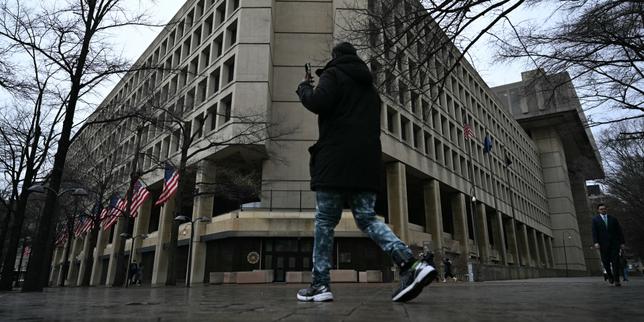
Then, an election happens. A corporate board changes its priorities. A quarterly earnings report demands a pivot toward higher profit margins.
Suddenly, the foundation moves.
The people who built the safeguards are reassigned. The budget for alignment research—the quiet, tedious work of ensuring a machine does not cause harm—is quietly trimmed. The code that once hesitated before offering a dangerous answer is streamlined for efficiency. The architecture remains, but the soul of its governance has evaporated.
This is the invisible crisis of modern artificial intelligence. We treat its control as a product feature rather than a civic duty. We rely on the good intentions of companies whose primary mandate is growth, or on the shifting winds of political administrations that change course every four years.
This approach is fragile. It is dangerous. And it cannot hold.
The Cost of Convenience
To understand why relying on corporate or political whim fails, look at how we regulate other high-stakes domains.
We do not let airlines design their own safety protocols based on how well their stock is performing this quarter. We do not let pharmaceutical companies decide independently when a drug has been tested enough, trusting that market competition alone will root out toxic side effects. We established independent oversight boards, international treaties, and rigorous, unchanging standards. We did this because we learned, through painful history, that convenience is a terrible substitute for accountability.
Artificial intelligence possesses a unique characteristic that separates it from every previous technological leap: it scales agency. A steam engine could pull a heavy load, but it could not decide which load to pull. A calculator could multiply numbers, but it could not convince a human to change their worldview.
When an algorithm governs credit scores, medical diagnoses, courtroom sentencing recommendations, and the flow of public information, it is exercising power. Power without a permanent anchor is tyranny by another name.
Imagine a city built entirely on movable foundations. Every morning, the streets shift a few inches to the left. The traffic lights change their rules depending on which company won the municipal contract for the week. Citizens would soon refuse to leave their homes. Chaos would reign.
Yet, that is precisely how we are treating the digital commons. We draft voluntary guidelines that disappear the moment a new CEO takes over. We sign temporary pledges that dissolve when market competition heats up. We treat safety as an optional accessory, like floor mats in a sports car.
The Search for Durable Ground
What would it look like to build actual permanence?
It requires shifting our perspective from reaction to permanence. We need frameworks that survive changes in government. We need institutions that cannot be dismantled simply because a political party loses an election or a venture capitalist wants a faster return on investment.
This does not mean stifling innovation. True innovation thrives when the rules of the road are clear and stable. Builders do not need lawlessness; they need predictability. When an engineer knows that safety standards are fixed, they can spend their energy creating brilliant solutions within those boundaries, rather than guessing which way the ethical winds will blow tomorrow.
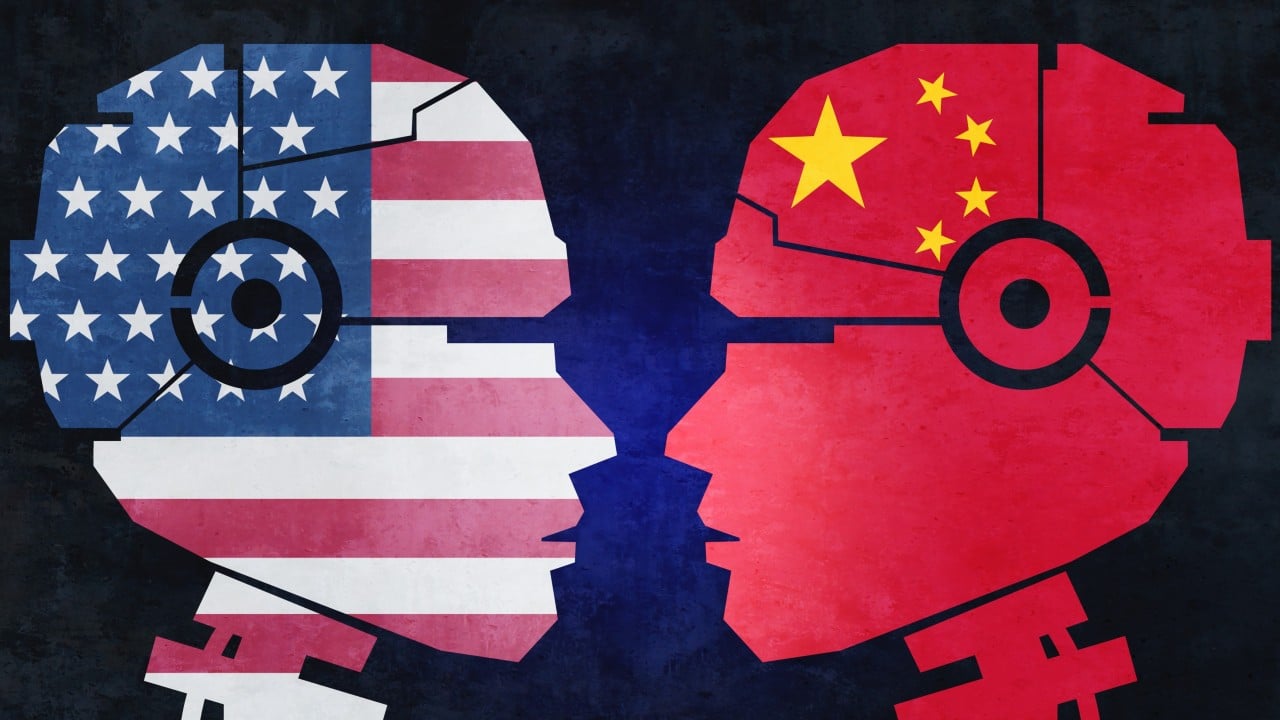
History offers a blueprint. When humanity realized that nuclear technology could destroy civilization, we did not leave its containment to the discretion of individual power plants. We created international bodies. We established verification protocols. We agreed, despite deep geopolitical rivalries, that some lines simply could not be crossed for the sake of survival.
We need a similar awakening for digital cognition.
The Human Element
At the center of all these abstract equations, policy debates, and server farms are human beings trying to navigate a world that feels increasingly out of control.
We are the ones who have to live with the outputs. We are the ones whose jobs, children, privacy, and shared truths are shaped by systems we did not vote for and often cannot question. When an algorithm fails, an individual bears the weight. A denied loan, a misdiagnosed illness, a radicalized mind—these are not data points on a spreadsheet. They are real fractures in human lives.
This is why temporary fixes are an insult to those affected. Telling a community that their digital safety is secure "for now" is like telling sailors that the hull of their ship is waterproof only while the weather remains calm.
We must demand more than corporate benevolence. Benevolence is a mood; structure is a fortress.
The work ahead is difficult. It requires international cooperation at a time when nations are turning inward. It requires tech leaders to admit that their creations require external boundaries. It requires citizens to pay attention to governance structures that sound dry and technical, but ultimately dictate the shape of the future.
The machines we are building will outlive many of us. They will process information long after current corporate boards have dissolved and current politicians have left office.
The rules we write today will be the invisible architecture of the world our children inherit. We can leave them a labyrinth of shifting corporate policies and political compromises, or we can build something solid.
The choice is ours. But the window to pour the concrete is closing fast.