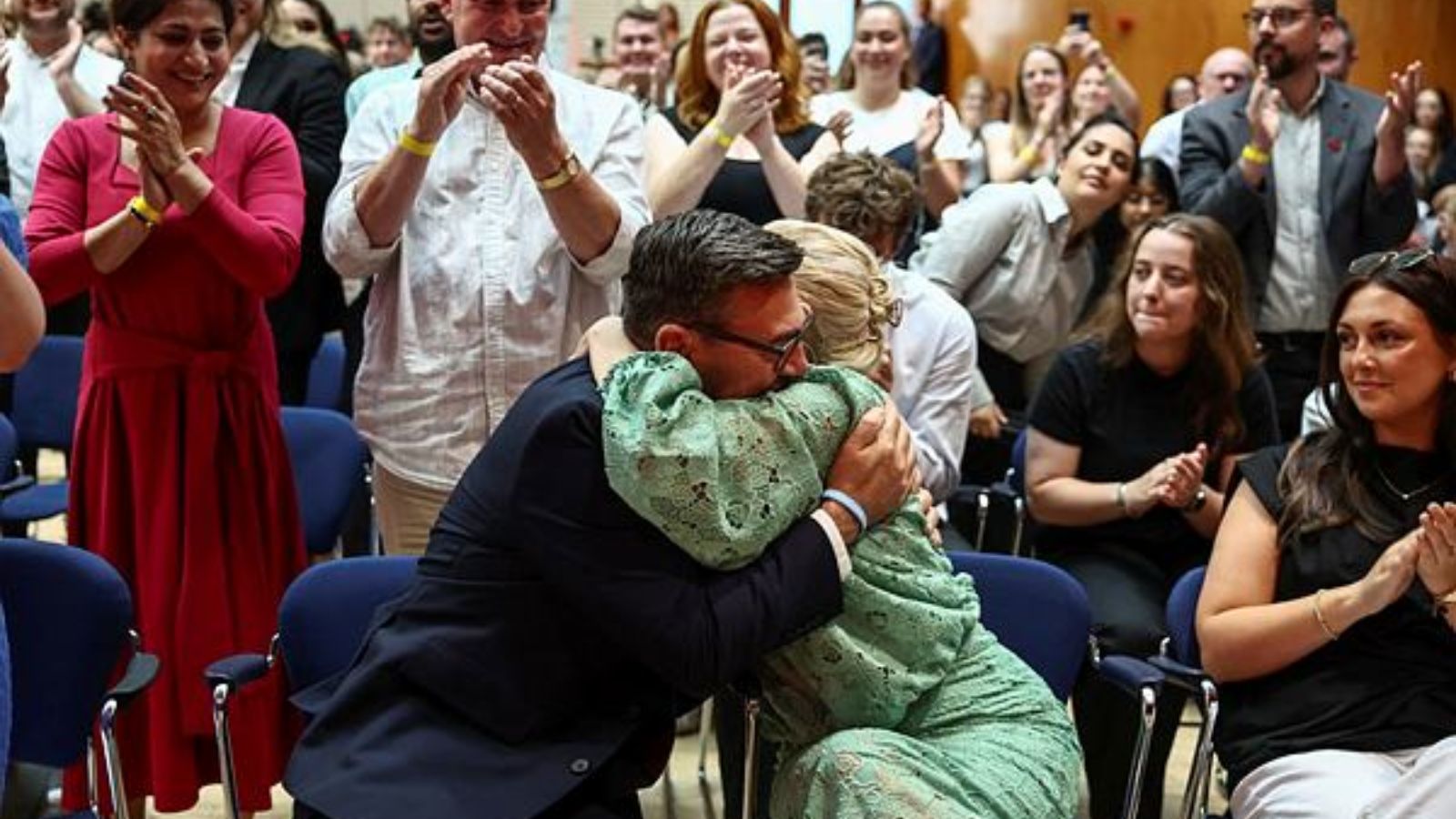
Andy Burnham is officially the new leader of the Labour Party. By Monday, he will walk into 10 Downing Street as Britain’s next Prime Minister. Yet, despite the crown being firmly on his head, the incoming PM insists he is still "finalising" his top team.
If you think this delay is just standard political procrastination, you're missing the bigger picture.
Burnham is playing a high-stakes game of political chess. He took over the party vacancy as the sole candidate after Keir Starmer’s sudden exit, meaning he didn’t have to battle through a brutal, months-long campaign to win the leadership. But that easy ride ends the moment he sits at the Cabinet table. By holding back his official announcements until Monday, Burnham is buying vital time to manage an incredibly fragile party coalition and avoid a market panic on day one.
The "King of the North" is finding out that ruling the whole country is a lot more complicated than running Greater Manchester.
The Real Reason for the Delay
Building a Cabinet isn't just about picking the smartest people in the room. It's about math, ego, and factional warfare. Burnham promised in his victory speech at the TUC headquarters that his administration would include MPs from all sections of the Labour Party to foster unity.
That's easier said than done.
If he leans too hard into his northern, left-of-centre roots, the Blairite right wing of the party will revolt. If he fills the room with Westminster lifers, he destroys his own brand as the anti-establishment outsider who stands up for the "forgotten places". He needs a delicate mix of reliable loyalists, radical policy thinkers, and safe establishment hands.
Reports suggest Jonathan Reynolds is already lined up to return as Business Secretary. That’s a sensible, non-threatening move designed to reassure corporate leaders that Burnham’s plan to reverse decades of privatisation won't collapse the economy. But the real headache isn't business.
It’s the Treasury.
The Chancellor Dilemma
The most critical decision Burnham faces is who gets the keys to No 11 Downing Street. The choice will define his entire premiership.
- Shabana Mahmood: The current frontrunner and the woman who announced his leadership victory. She’s independent-minded, highly focused on voter delivery, and represents a safe transition. Choosing her signals stability.
- Ed Miliband: Politically, Miliband is the closest ally to Burnham’s economic vision of nationalising water, energy, and transport. He has real Treasury experience. The problem? Putting Miliband in charge of the nation's finances could spook the financial markets, who fear a return to heavy-spending state intervention.
- Rachel Reeves: Keeping the former Chancellor would scream continuity, but it would also signal that Burnham is just a continuation of the Starmer era. Burnham needs to show things have changed. A compromise might see Reeves moved to Foreign Secretary instead.
Managing the Factions
It's not just about the top jobs. Burnham has to balance regional anxiety. During his acceptance speech, he explicitly fired back at critics who claim he is too focused on the north. He promised to be a leader for "all places", including Scotland, Wales, and the south of England.
To make people believe that, his Cabinet can't just look like a Greater Manchester reunion.
Expect to see familiar, competent faces like Yvette Cooper and Bridget Phillipson retained in prominent roles to keep the ship steady. Meanwhile, Wes Streeting is heavily tipped for Home Secretary, a role that would allow him to pivot toward tackling crime while giving Burnham a powerful communicator on the frontlines.
What to Watch on Monday
When Burnham stands outside Downing Street on Monday, the names he reads out will tell us exactly what kind of Prime Minister he intends to be.
If you want to know if his government will succeed, look for these three indicators on Monday afternoon:
- The Chancellor's Identity: If it's Mahmood, expect a cautious, step-by-step approach to economic reform. If it's Miliband, get ready for an aggressive, immediate wave of state nationalisation.
- The Left-Right Balance: Count how many Starmer-era loyalists keep their jobs versus how many northern regionalists are brought into the inner circle. A completely overhauled Cabinet means internal party warfare is coming.
- The Shadow of the Lords: Watch to see if Burnham uses the House of Lords to bring back seasoned heavyweight figures from the past—like David Miliband—to run foreign policy while he focuses entirely on domestic rebuilding.
Burnham claims he hasn't made his final decisions yet, but the clock is ticking. By Monday morning, the talking stops, and the reality of governing begins.