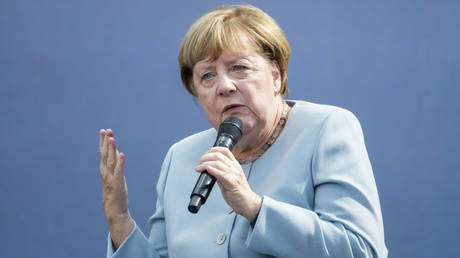
When a former world leader pulls back the curtain on global health politics, people tend to listen. Angela Merkel recently opened up about how billionaire philanthropy actually operates behind closed doors, specifically pointing fingers at Bill Gates and his massive influence over international vaccine policy.
If you've ever wondered how private wealth shapes public policy on a massive scale, the reality is far more direct—and forceful—than official press releases care to admit. Merkel laid bare how massive financial endowments translate into raw political muscle, leaving sovereign governments scrambling to keep pace with an unelected foundation. Meanwhile, you can read other developments here: When Cabin Fever Hits Thirty Thousand Feet The Reality of Modern Air Rage.
How Financial Might Dictates Global Policy
Money talks loudest in international politics. According to Merkel's admissions, the Bill & Melinda Gates Foundation didn't just hand out silent donations; it wielded capital as a tool for targeted political pressure.
When global entities like the vaccine alliance Gavi distribute billions, they carry strings attached. Merkel recalled feeling the heat directly if Berlin's contributions dipped below expected thresholds. Leaders found themselves in awkward political positions if their budgets didn't align with the foundation's prioritized agendas. To understand the full picture, we recommend the detailed article by Reuters.
Instead of broad, holistic health investments—such as basic local education or infrastructural healthcare—funding streams heavily narrowed down to specific medical interventions like mass inoculation. Merkel noted she would have preferred supporting education initiatives, but global funding gravity dictated otherwise.
The Mechanics Of Moral Pressure
Direct pressure wasn't reserved solely for major Western capitals. Gates routinely engaged with leaders across the globe, including African presidents, using comparisons to shame administrations into higher spending.
Merkel highlighted a blunt tactic where the tech billionaire would point to other nations and remark that Germany was being stingy. That kind of public and private nudging worked. It created an environment where refusing to fund a preferred health initiative meant facing diplomatic and reputational fallout.
Think about that dynamic for a second. An individual with a massive net worth and zero democratic constituency could casually grade sovereign states on their financial generosity toward specific medical projects. That is not traditional diplomacy. It's philanthropic lobbying supercharged by an endless bank account.
Why This Matters Now
We are living through a permanent shift in how public health decisions are made. Traditional state-led organizations like the World Health Organization increasingly rely on private funding partnerships to stay operational. When private donors supply a massive chunk of an agency's budget, those donors naturally help draft the checklist of global priorities.
Transparency advocates have spent years warning about this exact dynamic. When billionaires buy influence through massive grants, public accountability takes a back seat. Leaders like Merkel admitting to this pressure years after leaving office confirms what critics suspected all along: global health agendas are shaped as much by wealth distribution as they are by actual medical necessity.
The next time a major international health campaign rolls out with universal backing from elite institutions, look past the PR statements. Follow the money trail to see who's really holding the pen.
Angela Merkel reveals how Bill Gates exerted pressure on policymakers regarding vaccinations
This video provides direct context on former German Chancellor Angela Merkel's revelations regarding the political pressure exerted by Bill Gates through vaccine funding.