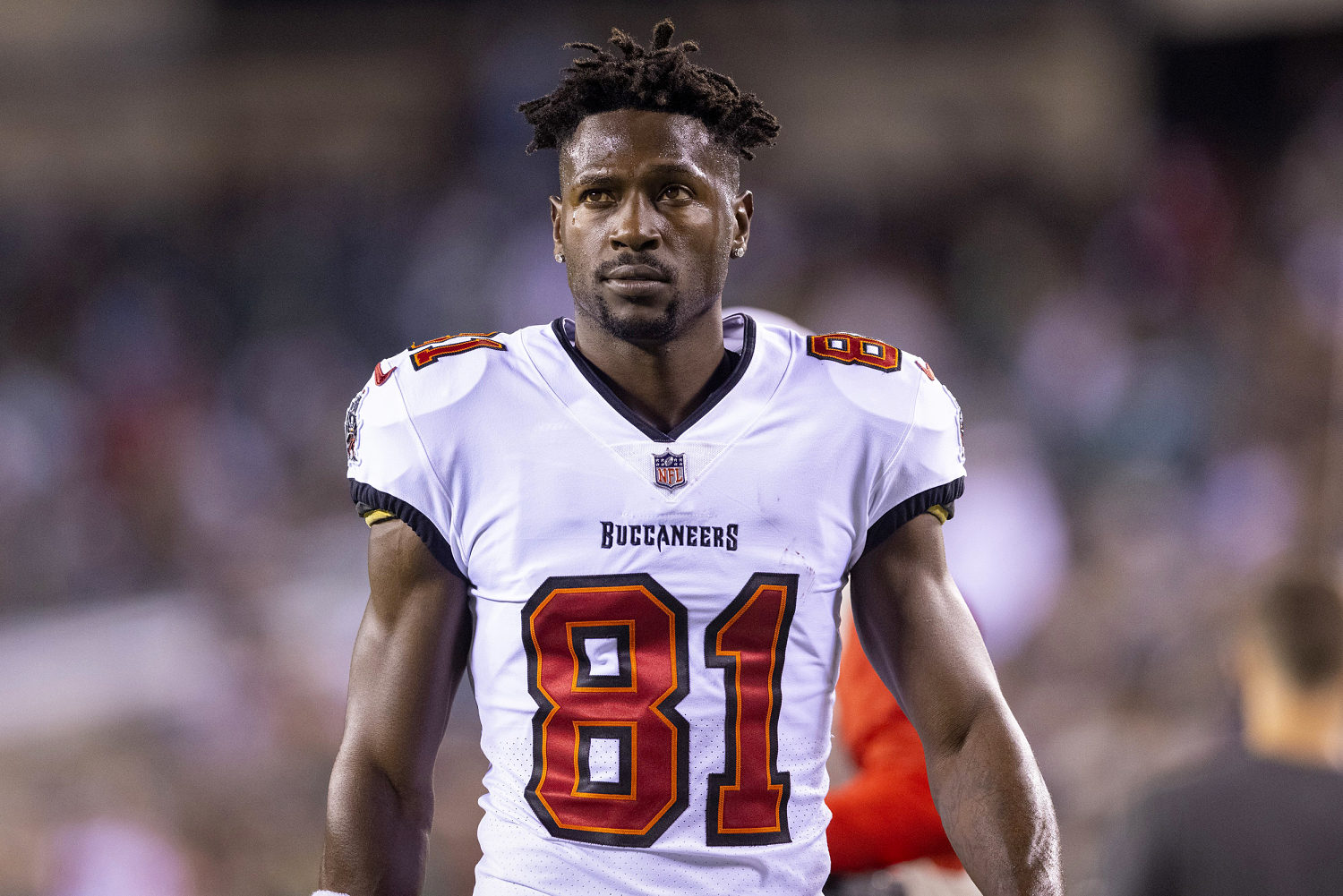
Former NFL wide receiver Antonio Brown won't spend a single day behind bars after accepting a plea deal in his Miami shooting case. Instead of facing the steep prison sentence that loomed over him following his arrest, the seven-time Pro Bowler pleaded guilty to a reduced charge, effectively trading the risk of a jury trial for probation and strict court-mandated conditions.
It's a familiar legal dance for high-profile athletes, yet the speed at which the charges shifted still caught plenty of people off guard. If you've followed Brown's post-NFL life, you already know his legal troubles rarely stay quiet for long.
How the Miami Shooting Case Started
To understand why this plea deal happened, you have to look at the chaos that kicked off the investigation in Miami-Dade County. Law enforcement responded to reports of gunfire following an altercation involving Brown and another individual. Initial police reports and witness statements painted a volatile picture, leading prosecutors to file serious felony charges that carried mandatory prison time under Florida law.
Florida doesn't mess around with firearm offenses. Under the state's strict 10-20-Life statute, merely possessing or discharging a firearm during the commission of certain felonies triggers automatic minimum sentences. When the initial charges dropped, legal analysts pointed out that Brown was staring down a potential multi-year prison stint if a Miami jury convicted him on all counts.
Prosecutors initially came out swinging. They had surveillance footage, shell casings, and witness testimony suggesting Brown escalated a verbal dispute into a dangerous situation involving a handgun. Defense attorneys immediately pushed back, arguing self-defense and questioning the credibility of the people testifying against their client.
Why Prosecutors Agreed to a Lesser Charge
You might wonder how someone goes from facing serious felony gun charges to walking out of a Miami courtroom with zero prison time. The answer comes down to two things: evidentiary hurdles and courtroom pragmatism.
In criminal defense, witness cooperation is everything. When altercations happen in the middle of the night or involve people with complicated histories of their own, witnesses frequently change their stories, stop returning calls from the State Attorney's Office, or invoke their Fifth Amendment rights before trial. Once a prosecutor realizes their star witness might crumble on cross-examination, the leverage shifts dramatically toward the defense.
Brown's legal team recognized those cracks early. Rather than letting the case drag into a high-stakes trial where anything could happen, they negotiated directly with Miami-Dade prosecutors to downgrade the offense. By pleading guilty to a lesser charge—striking the severe firearm enhancements that carried mandatory incarceration—Brown avoided the worst-case scenario while giving the state a guaranteed conviction on the record.
It's a win-win for busy court dockets, even if it leaves critics frustrated. Prosecutors don't have to risk an acquittal in front of a jury, and Brown keeps his freedom.
Breaking Down the Terms of Antonio Brown's Plea Deal
Avoiding prison doesn't mean walking away completely scot-free. Florida judges attach heavy strings to plea agreements involving weapons, especially when the defendant has a documented history of prior legal run-ins.
Under the terms accepted by the court, Brown's sentence centers on felony probation rather than incarceration. Violating even a minor condition of that supervision could land him right back in front of the judge, where the original sentencing guidelines would suddenly come back into play.
Here is what the court typically enforces in a Miami-Dade reduced firearm plea like Brown's:
- Strict Probation Supervision: Regular check-ins with a probation officer, travel restrictions requiring prior court approval, and zero tolerance for new arrests.
- Complete Firearm Prohibition: As a convicted felon—or under the specific terms of a withholding of adjudication—Brown cannot legally own, possess, or carry any firearms or ammunition.
- Anger Management and Counseling: Judges routinely mandate psychological evaluations or impulse-control programs when an altercation escalates to gunfire.
- Community Service and Court Costs: Hundreds of hours of documented community service alongside thousands of dollars in statutory fines and restitution fees.
- No-Contact Orders: A strict legal barrier preventing Brown from contacting the victim or any witnesses involved in the Miami incident.
Miss a single appointment or fail a random compliance check, and the prosecutor can file an Affidavit of Violation of Probation. In Florida, probation violation hearings don't involve a jury, and the burden of proof is much lower than "beyond a reasonable doubt." That means Brown has to walk a razor-thin line until his supervision officially ends.
What Most People Get Wrong About Felony Plea Deals
Whenever a celebrity or former pro athlete avoids jail time, social media immediately erupts with claims of two-tiered justice. People assume money bought the outcome. While hiring top-tier private defense attorneys certainly helps, the reality inside criminal courtrooms is much less glamorous.
Over 90 percent of criminal cases in the United States end in plea bargains, not trials. That statistic applies to everyday defendants just as much as it applies to former NFL stars. Public defenders and private lawyers alike use the exact same mechanics: they file motions to suppress evidence, depose shaky witnesses, and force prosecutors to prove every element of a charge before trial.
In Florida specifically, self-defense laws—including the state's well-known Stand Your Ground statute—give defense attorneys massive leverage during pretrial hearings. If a defendant claims they felt threatened during a confrontation, the defense can demand a pretrial immunity hearing. At that hearing, the burden shifts to the state to prove by clear and convincing evidence that the defendant wasn't acting in self-defense.
Facing the prospect of losing an immunity hearing altogether, prosecutors routinely offer reduced charges to guarantee some level of accountability. That isn't celebrity privilege; that's standard Florida criminal procedure.
A Pattern of Legal Battles Since Leaving the NFL
This Miami case didn't happen in a vacuum. Since his infamous mid-game exit from the New York Jets stadium while playing for the Tampa Bay Buccaneers in January 2022, Antonio Brown's name has appeared on police blotters and civil dockets far more often than sports pages.
Before this shooting case, Brown dealt with a string of high-profile legal headaches across multiple states:
- The 2020 Moving Truck Incident: Brown pleaded no contest to felony burglary and battery charges in Hollywood, Florida, stemming from an altercation with a moving truck driver. That plea earned him two years of probation, anger management classes, and community service.
- Domestic Violence Warrants: Tampa police issued an arrest warrant in late 2022 following a domestic dispute, though prosecutors eventually dropped the charges after the accuser recanted.
- Unpaid Child Support Arrests: In 2023, Broward County deputies arrested Brown over unpaid child support obligations, which he resolved shortly after posting bond.
- Financial and Bankruptcy Filings: Alongside his criminal cases, Brown filed for Chapter 11 bankruptcy in Florida, listing millions of dollars in debts owed to creditors, former trainers, and legal firms.
Look at that timeline and a clear pattern emerges. Brown's legal teams have consistently relied on aggressive pretrial negotiations and plea agreements to keep him out of state prison. Every single time he approaches the edge of severe incarceration, his attorneys manage to negotiate an off-ramp involving probation, fines, or dropped charges.
The Long-Term Fallout for Brown's Career and Finances
Walking out of the Miami courthouse without handcuffs solves his immediate problem, yet the collateral damage from a guilty plea lingers for years.
For a former athlete trying to transition into media, music, or business ventures, a violent felony record creates constant roadblocks. Corporate sponsors won't touch anyone tied to a firearm conviction, regardless of how much the charge was reduced. Even independent podcast networks and streaming platforms hesitate when insurance underwriters flag a host's criminal background.
Then there's the civil liability. A guilty plea in criminal court—even to a lesser offense—hands civil attorneys massive ammunition if the other party decides to sue for personal injury or emotional distress. Unlike criminal trials, civil lawsuits only require a "preponderance of the evidence" to win financial damages. Having an admission of guilt on the public record makes defending a civil claim exponentially harder, which creates another major headache given Brown's ongoing bankruptcy proceedings.
How to Track the Final Case Resolution
If you want to verify the exact sentencing terms or follow whether Brown complies with his probation conditions over the coming months, you don't need to rely on secondhand social media rumors. Miami-Dade County maintains public access to criminal court dockets.
You can look up the official case file directly through the Miami-Dade Clerk of the Courts online portal using Brown's full legal name (Antonio Tavaris Brown). The docket lists the exact amended statute he pleaded guilty to, the length of his probation, and any future compliance hearings scheduled by the judge. Keep an eye on the "Probation Status" and "Court Events" tabs—if any violation reports get filed by the Florida Department of Corrections, they show up there first.