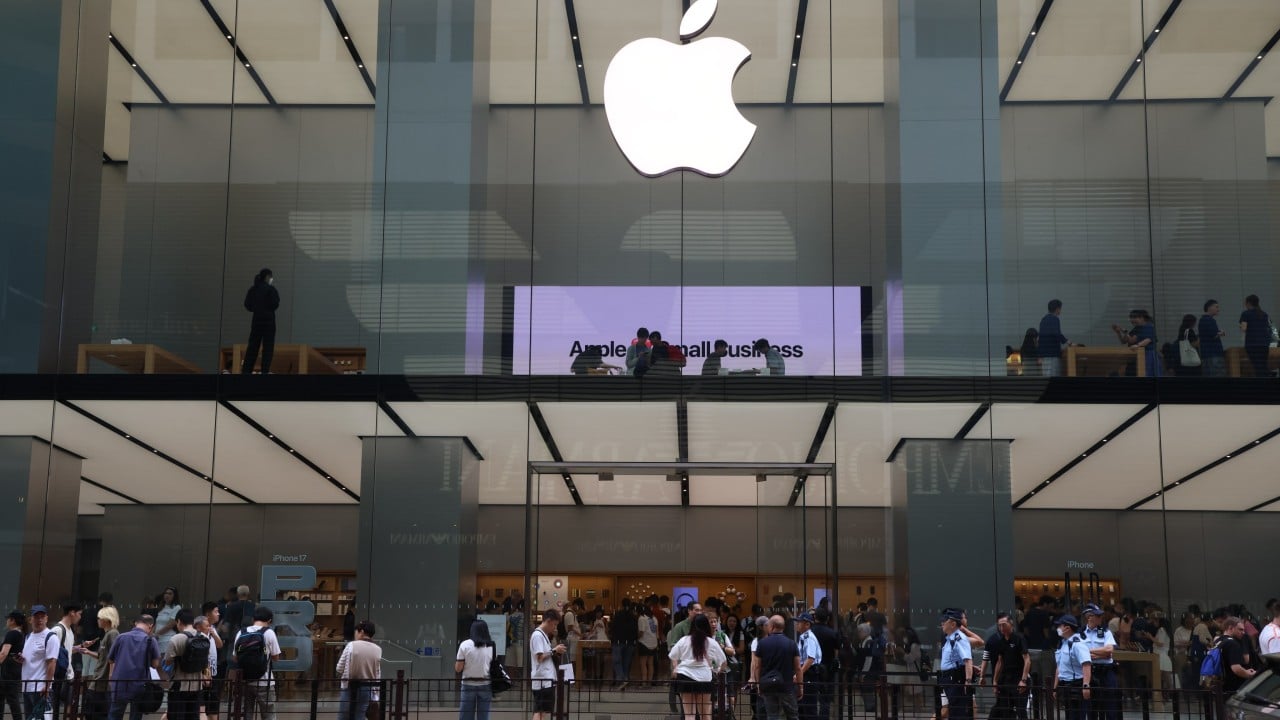
Imagine waking up to multiple bank notifications showing thousands of dollars drained from your account for brand-new iPhones you never ordered. That is exactly what happened to hundreds of unsuspecting cardholders in Hong Kong during a massive wave of pre-order fraud. When financial losses quickly mounted into the millions, tech giant Apple and local authorities were forced to step in, scramble their defenses, and overhaul how online purchases are vetted.
The chaos kicked off during a high-stakes product launch window. Cybercriminals exploited vulnerabilities in the online checkout ecosystem, utilizing stolen credit card credentials to buy flagship smartphones in bulk. By the time the dust settled, police logs showed that unauthorized transactions tied to the pre-order rush had skyrocketed, leaving victims and major financial institutions scrambling to trace the damage.
How the Hong Kong iPhone Fraud Unfolded
The mechanics of the scam relied on speed, volume, and systemic gaps in online payment security. Fraudsters targeted major credit card portfolios issued by prominent institutions like HSBC, Hang Seng Bank, and Standard Chartered. They bypassed traditional friction points by taking advantage of checkout configurations that did not aggressively enforce two-factor authentication or advanced security protocols like 3D Secure for every single transaction tier.
Victims reported multiple unauthorized deductions in a single day, with individual losses stretching past HK$114,000 in extreme cases. Law enforcement agencies, including the Cyber Security and Technology Crime Bureau, were flooded with complaints as the total financial toll climbed past HK$14.7 million initially, later surging even higher as subsequent product rollouts faced identical exploitation.
The sheer scale of the operation exposed a harsh reality about modern e-commerce convenience. When platforms prioritize friction-free checkouts to maximize sales velocity, they inadvertently create wide-open doors for sophisticated criminal syndicates who specialize in automated card-stuffing and credential harvesting.
Apple's Response and the Pressure for Better Security
Faced with mounting public backlash and direct pressure from law enforcement, Apple initiated mandatory manual reviews for pending orders. Company representatives confirmed that suspicious orders flagged by banks and security teams would be intercepted and cancelled before fulfillment.
However, the incident triggered a fierce public debate regarding corporate responsibility. Investigators and cybersecurity experts pointed out that tech companies and online merchants share the burden of safeguarding consumer data. Critics argued that failing to mandate robust verification layers leaves retail ecosystems vulnerable to bad actors. Major banks in the region stepped in to reassure affected customers, stating that victims would not be held liable for fraudulent charges as long as investigations confirmed unauthorized activity and due care on the cardholder's part.
Protecting Yourself Against Digital Checkout Fraud
If you regularly shop online or participate in high-demand product pre-orders, this incident serves as a wake-up call. Criminals constantly monitor consumer shopping habits, launching targeted phishing campaigns and fake landing pages that mimic official retail portals right before major product drops.
To protect your finances, start by enabling transaction alerts for every single purchase, no matter how small. Use virtual credit cards with locked spending limits or temporary numbers for online retailers when possible. If you spot an unfamiliar charge, contact your bank immediately to freeze the card and dispute the transaction before fraudsters have time to intercept shipments or liquidate the stolen goods.
Check your bank statements weekly, avoid saving default payment credentials on retail sites you rarely use, and treat unexpected text messages regarding failed deliveries or payment confirmations with extreme suspicion. Staying proactive is your best defense against modern cybercrime.
Over 700 cardholders report unauthorised iPhone pre-order charges in Hong Kong
This video provides a concise breakdown of how the unauthorized pre-order charges impacted hundreds of cardholders and triggered urgent police investigations in Hong Kong.