The arrival of Iranian Foreign Minister Abbas Araghchi in Beijing on May 6, 2026, isn't just another stamp in a diplomat’s passport. It’s a high-stakes move in a global chess game where the board's currently on fire. Araghchi’s stepping off the plane into a China that's increasingly "deeply distressed" by a two-month-old war involving the U.S. and Israel—a conflict that kicked off back in February and has since throttled global energy markets.
If you’re looking for the short version, here it is: Iran needs a powerful friend to help break a strangling naval blockade, and China needs the oil flow through the Strait of Hormuz to resume before its own economy takes a deeper hit. Araghchi’s visit is the opening act for a much larger show, coming just days before Donald Trump is scheduled to land in Beijing for a mid-May summit with Xi Jinping. Meanwhile, you can read similar stories here: Why The Bangladesh Panic Over West Bengal Is A Comical Delusion.
The Strait of Hormuz Standoff
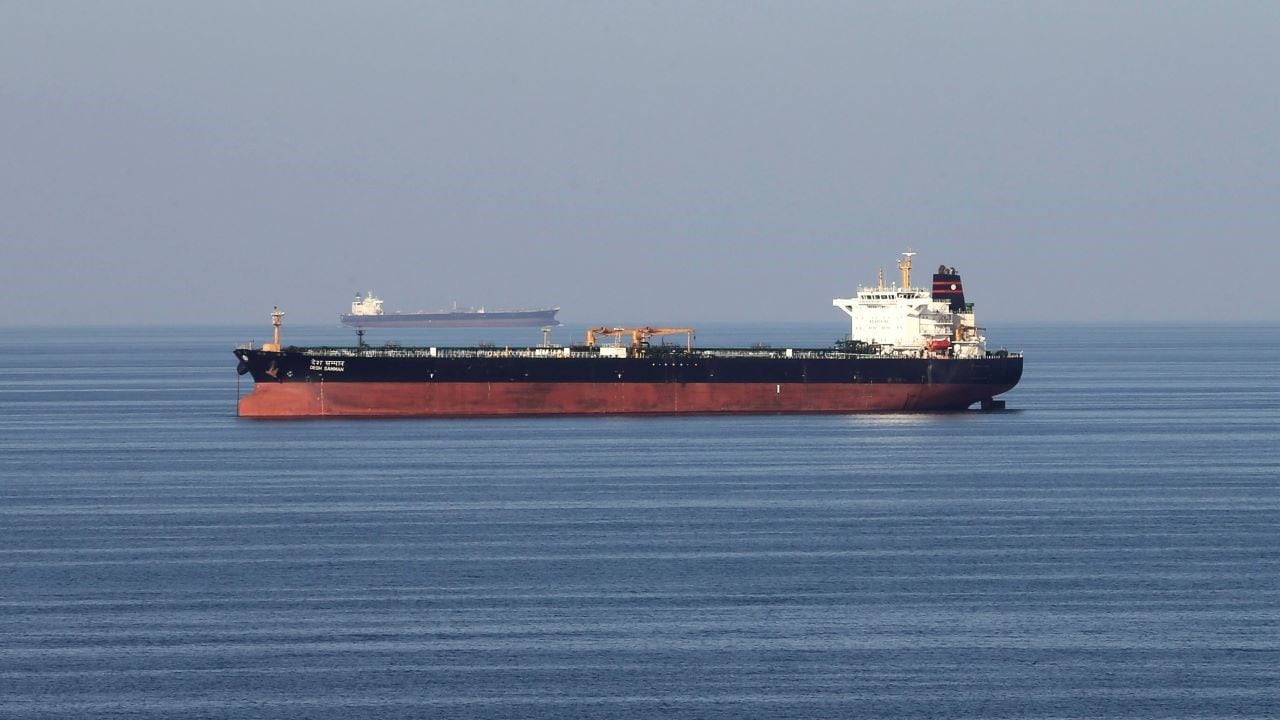
The real reason Araghchi is sitting across from Wang Yi right now is the Strait of Hormuz. For weeks, the world has watched a terrifying game of chicken. Iran has essentially attempted to put a "chokehold" on the waterway, which handles over 20% of the world's oil and gas. In response, the U.S. has blockaded Iranian ports to force them to let the tankers through.
It’s a mess. Honestly, it’s the kind of mess that makes "strategic partnership" feel like a very polite term for a desperate alliance. China is Iran’s biggest customer, buying nearly 90% of Tehran’s exported crude. When the Strait closes, China’s energy security doesn't just wobble; it falls off a cliff. To explore the complete picture, check out the excellent report by USA Today.
Wang Yi didn't mince words during their meeting. He called for a "comprehensive ceasefire," a phrase that carries weight when it comes from Beijing. China has tried to play the neutral mediator, but with oil prices soaring and their March imports from the Gulf dropping by 25%, that neutrality is getting expensive.
Why the Timing is Everything
You can't talk about Araghchi’s trip without looking at the calendar.
- The Trump Summit: U.S. President Donald Trump is headed to Beijing on May 14-15. This is his first trip to China in his second term.
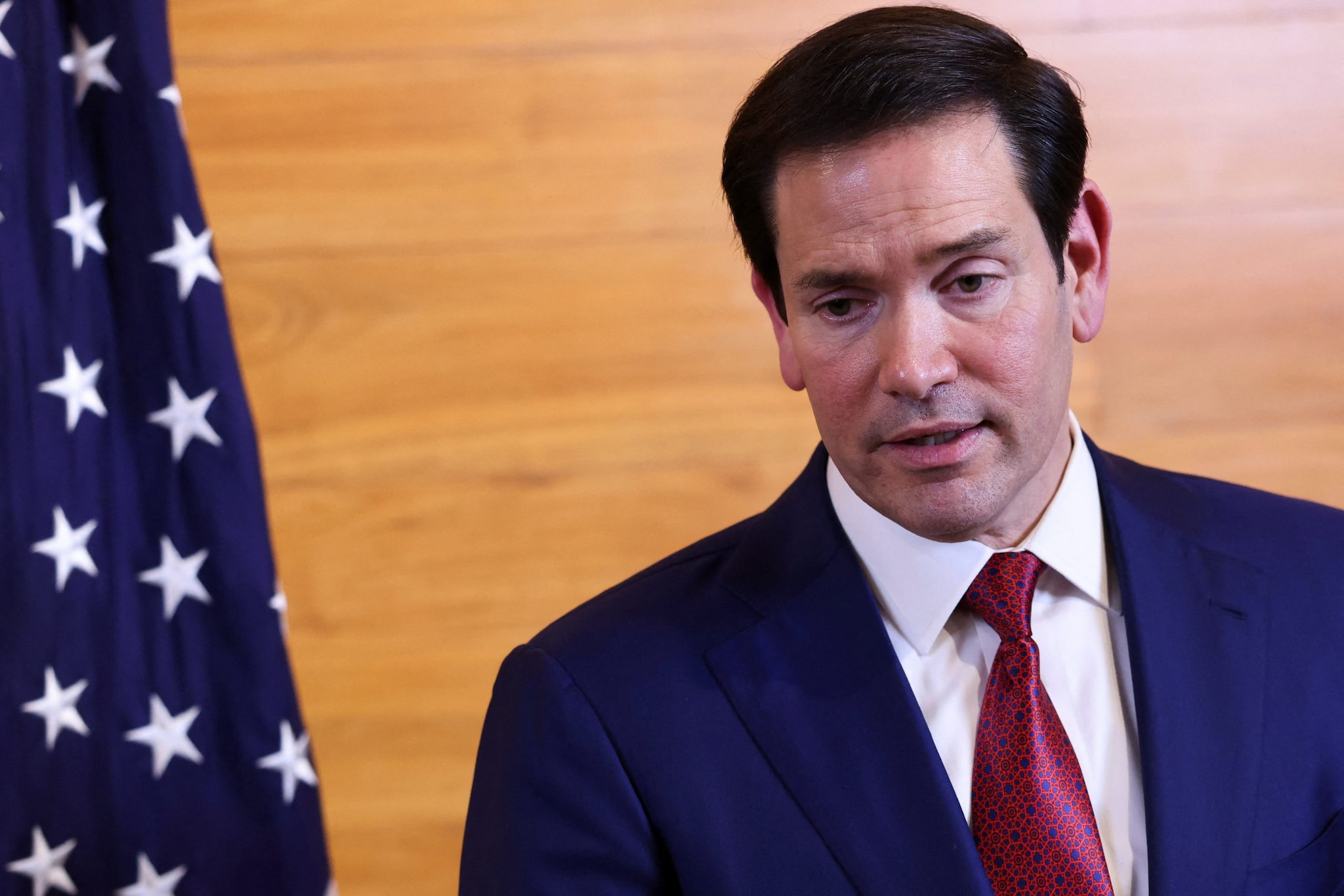
- The Rubio Factor: Secretary of State Marco Rubio has already publicly "hoped" that the Chinese tell Araghchi he's the "bad guy" in this conflict.
- The Regional Tour: Araghchi didn't just fly straight to China. He’s been on a whirlwind tour through Pakistan, Oman, and Russia.
Tehran is trying to shore up a "coalition of the concerned" before Trump and Xi sit down to hammer out a deal that might leave Iran out in the cold. Iran's logic is simple: if they can get China to commit to a specific ceasefire framework now, it’s much harder for Xi to trade Iran away during the trade talks with Trump next week.
The Axis of Autocracy or Just Good Business
Washington likes to call this the "Axis of Autocracy." It sounds dramatic, but for Beijing, it's mostly about the numbers. In 2025 alone, China reported nearly $10 billion in trade with Iran, but that’s a fraction of the real story. When you add in the "shadow" oil trade—unreported shipments handled by intermediary firms and "front" banks—the real figure is closer to $41 billion.
But don't think for a second that China is all-in on Iran. They’re balancing this against over $100 billion in trade with Saudi Arabia and the UAE. If Iran's actions in the Strait keep pissing off the other Gulf states, China’s "balancing act" might finally snap.
What Araghchi Actually Wants from Wang Yi
It’s not just about "exchanging views." Araghchi is in Beijing with a shopping list:
- Sanction Mitigation: Iran needs Chinese banks to keep the "shadow fleet" moving despite the new wave of U.S. pressure.
- Military Tech: There have been whispers—and some pretty solid reports from the U.S.-China Economic and Security Review Commission—about China selling anti-ship cruise missiles and drone tech to Tehran.
- The Nuclear "Right": Araghchi needs China to keep vetoing or watering down UN resolutions that target Iran’s nuclear program, which is again a major point of contention for the Trump administration.
Wang Yi’s response has been a classic Beijing blend of support and caution. He affirmed Iran’s "legitimate right to peaceful nuclear energy" but also emphasized that the situation has reached a "critical juncture." In plain English: "We’ll help you, but you need to stop making it so hard for us to defend you."
The Economic Reality Check
Let's be real: China’s Five-Year Plan doesn't include "global energy crisis caused by a regional war." The disruption to supply chains is an "unacceptable risk" for Xi Jinping. While China benefits from seeing U.S. resources stretched thin in the Middle East, they don't want a full-blown collapse of the regional order.
If you’re watching the markets, keep an eye on the Shanghai Composite and global crude prices. The rhetoric in Beijing today will dictate whether those numbers stabilize or if we’re heading for a May meltdown.
Practical Steps to Follow This Story
If you're trying to figure out what happens next, don't just look at the official press releases from Tehran. Watch these three things instead:
- The May 14 Trump-Xi Statement: If the joint statement mentions "maritime security" or "unhindered flow of commerce" without mentioning Iran’s sovereignty, Tehran should be worried.
- Vessel Tracking in the Gulf: Watch the "dark fleet" movements. If Chinese tankers start pulling back from Iranian ports, it’s a sign that Beijing is quietly complying with the U.S. blockade.
- The Pakistan Connection: Pakistan has been mediating between the U.S. and Iran. Any sudden diplomatic trips to Islamabad from Chinese officials usually mean a deal is being cooked behind the scenes.
The next ten days will decide if this conflict stays a "regional crisis" or turns into a global economic shift. Araghchi’s presence in Beijing proves that Iran knows the clock is ticking.