When state authorities pause a bureaucratic deadline, observers often mistake procedural hesitation for a change of heart. That miscalculation defines the ongoing commentary surrounding judicial interventions in Israeli settlement expansion. Beneath the surface of court-mandated delays and electoral calendar management lies a much more permanent machinery of land acquisition. The legal friction between state attorneys and nationalist ministries is not about whether expansion happens, but precisely how and when the physical facts on the ground are cemented.
To understand the weight of these administrative freezes, one must look closely at the mechanics of the planning apparatus itself. The West Bank settlement enterprise relies on a dense sequence of approvals, zoning adjustments, and competitive bidding phases known as tenders. When a tender deadline is pushed back due to an impending national vote or judicial review, international headlines frequently frame the move as a diplomatic victory or a temporary cooling of tensions. Veteran analysts of the regional topography know better. A postponement is rarely a cancellation. It is an administrative intake breath, a brief holding pattern before the systemic momentum resumes with greater velocity.
The Mechanics of Expansion
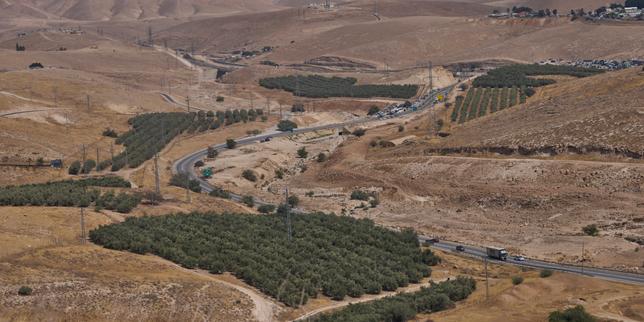
The geography of the occupied territories is defined by strategic continuity. Contiguous planning blocks, particularly those designated to connect major municipal blocs like Ma'ale Adumim with Jerusalem, serve a specific structural purpose. By fracturing territorial continuity for any future Palestinian polity, these projects foreclose alternative political outcomes long before diplomats sit down at a negotiating table.
When the judiciary steps in to delay bid openings to avoid the immediate political fallout of an election campaign, it highlights a profound institutional anxiety. The state legal apparatus attempts to shield the electoral cycle from immediate international condemnation, while the ministerial architects of the settlement program push relentlessly to lock in demographic changes. This dynamic reveals a system at war with its own calendar. Every week of legal delay is carefully accounted for in long-term strategic projections, absorbed by contractors and planners who view state oversight as a temporary obstacle rather than an ideological barrier.
Consider the role of legal petitions filed by municipal councils and ideologically aligned oversight bodies. These legal battles create an illusion of robust domestic debate over the rule of law. Yet, the arguments presented in court rarely question the underlying premise of territorial acquisition. Instead, they debate the timing, the procedural transparency, or the jurisdiction of administrative bodies. This narrow framing ensures that the fundamental trajectory of settlement growth remains entirely insulated from genuine legal challenge.
The Economic Engine Behind the Blueprint
Land allocation is heavily subsidized by domestic economic incentives and infrastructural integration. Roads, power grids, and water systems are engineered to tie peripheral construction projects directly into the metropolitan core. Consequently, when a specific tender deadline shifts by a few weeks, the financial commitments behind the project remain locked in place. Capital allocation does not evaporate because a judge demands procedural compliance during an election season. It simply waits behind closed doors.
This financial persistence exposes the limits of viewing territorial disputes purely through the lens of electoral politics. Governments rise and fall, coalitions fracture and reform, but the civil administration machinery responsible for zoning and infrastructure continues its work uninterrupted. Bureaucrats outlast ministers. Planners outlast courts. By the time a new administration takes its oath of office, the foundational groundwork for thousands of housing units has already passed through the necessary administrative filters, making cancellation practically impossible.
Navigating the Diplomatic Theater
International reaction to these bureaucratic maneuvers follows a predictable rhythm. Statements of concern are issued, diplomatic channels hum with quiet warnings, and domestic legal watchdogs file emergency injunctions. Yet, this entire ecosystem functions as a form of diplomatic theater. The core actors understand the boundaries of the game. Tenders are frozen, rescheduled, re-advertised, and eventually awarded under a slightly different administrative heading.
The friction between the attorney general's office and nationalist coalition members is often misinterpreted abroad as a sign of an impending democratic correction. In reality, it is an internal dispute over administrative hygiene. One side worries about the legal exposure of unvarnished real estate grabs in international courts, while the other treats international law as an irrelevance to be managed through sheer persistence.
The Long-Term Reality
As the dust settles on legal briefs and electoral shifting, the physical reality of the region continues to transform. Every deferred tender represents months of quiet preparation, surveying, and architectural drafting that proceeds entirely out of public view. When the legal temporary injunctions finally expire, the machinery swings back into motion with astonishing speed, leaving critics scrambling to respond to facts that were established years prior during quiet procedural pauses.
The illusion of pause allows the process to maintain plausible deniability while steadily achieving its ultimate objective. Those who monitor the region professionally understand that looking only at the headlines misses the architecture of the outcome. The real story is not found in the courtrooms where delays are ordered, but in the unyielding persistence of the blueprints waiting patiently in the drawer.


