Dolly Parton did not merely survive the music business; she systematically dismantled its rules and built an entirely separate kingdom out of the wreckage. While contemporaries signed away their publishing rights for a handshake and a shot at radio airplay, a young songwriter from the Smoky Mountains quietly retained hers, securing an asset that would eventually out-earn entire catalog portfolios. The standard narrative reduces her to a caricature of rhinestones, self-deprecating wit, and high-voltage wigs. That reduction is precisely what allowed her to conquer corporate boardrooms while everyone else was looking at her clothes.
To understand Parton is to understand a masterclass in independent cultural positioning. Decades before modern pop stars attempted to engineer their own branding or launch direct-to-consumer conglomerates, she executed a blueprint based on total ownership and unyielding public affection.
The Economics of Absolute Control
The music industry operates on a predictable cycle of extraction. Record labels take the risk, capture the lion's share of the reward, and leave artists with the scraps of backend royalties. Parton broke this cycle in 1967 when she signed with Monument Records, but her true masterstroke came years later when she refused to surrender her publishing rights to mega-hit tracks like "Jolene" and "I Will Always Love You".
When Whitney Houston recorded her definitive version of "I Will Always Love You" in 1992, the financial windfall for Parton was astronomical. She did not pocket a flat songwriter fee or a temporary advance. She owned the copyright outright. Millions of dollars flowed directly into her private publishing company, Velvet Apple Music.
Consider how rare this autonomy remains. Industry executives often convince young talent that giving up publishing is the cost of admission. Parton treated it as non-negotiable. She understood that fame is fleeting, but a secured copyright is a perpetual annuity. By maintaining control over her creative output, she insulated herself against the whims of radio programmers, changing musical trends, and corporate restructuring.
Weaponizing Self-Deprecation as Armor
"It costs a lot of money to look this cheap."
That single quip disarmed critics for half a century. By leaning aggressively into the cartoonish exaggeration of her physical appearance, Parton achieved something extraordinary. She hijacked the cultural conversation before anyone else could use her appearance against her.
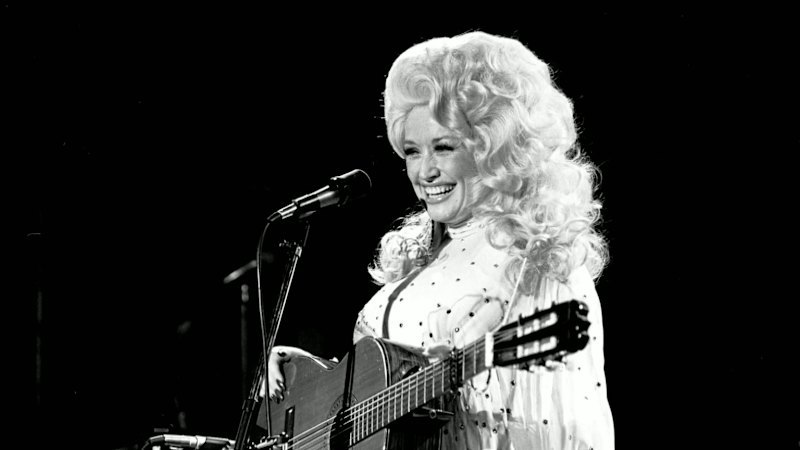
Male journalists and conservative executives expected a naive mountain girl who could be easily manipulated. Instead, they encountered a razor-sharp businesswoman who controlled every negotiation down to the fine print. Her hyper-feminine aesthetic acted as a masterclass in misdirection. The exaggerated makeup, the towering blonde wigs, and the rhinestone-studded suits created an impenetrable shield. People were too busy laughing or staring to notice that she was quietly building an empire spanning theme parks, production companies, and global publishing holdings.
This was not an accident of personality. It was a calculated corporate strategy. By making herself the joke first, she retained absolute agency over her image. Nobody could punch down at Dolly Parton because she was already standing on the highest peak, holding the shovel.
The Infrastructure of Generosity
Philanthropy is frequently used by public figures as a superficial reputation scrubber. For Parton, giving back was woven directly into the operational DNA of her commercial ventures.
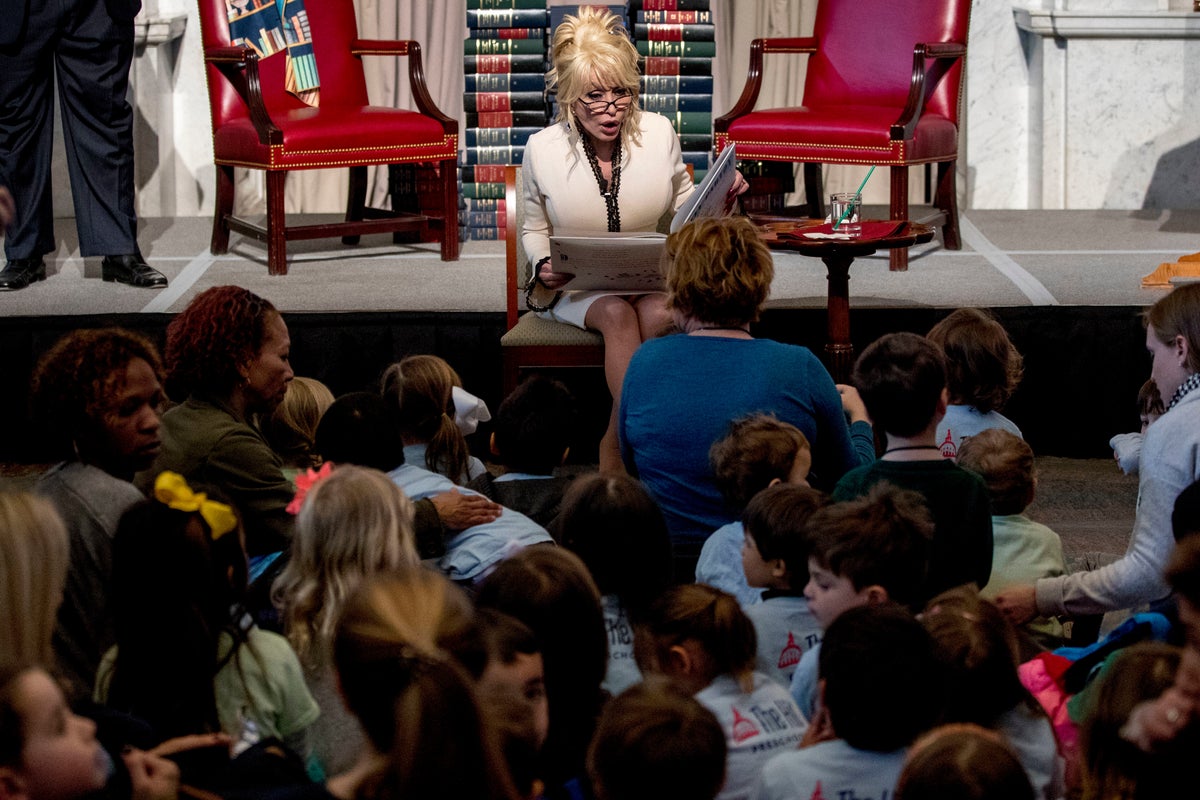
Take the Imagination Library, launched through the Dollywood Foundation in 1995. What began as a local effort to mail free books to children in her home county of Sevier County, Tennessee, expanded into an international juggernaut shipping millions of books monthly across multiple countries. This was not a tax write-off managed by an impersonal board of directors. It was structured with the logistical precision of a supply-chain enterprise.
When she donated one million dollars to Vanderbilt University Medical Center in 2020—funds that directly aided the research behind the Moderna vaccine—she did not do so amidst a fanfare of corporate press releases. She simply acted. Her commercial success through Dollywood, her theme park empire, and her extensive catalog generated the capital required to sustain these initiatives independently. She did not need corporate sponsors because her entire brand was self-sustaining.
Navigating Cultural Minefields Without Compromise
In a polarized media environment, artists frequently stumble when forced to take a public stand. Taking a side alienates half an audience. Staying silent alienates the other half. Parton bypassed this false choice entirely through radical, unwavering empathy.
She supported the LGBTQ+ community long before it was commercially viable or culturally safe for a mainstream country artist to do so. She voiced support for Black Lives Matter and opposed discriminatory legislation without ever losing the adoration of her traditional rural base. How did she pull off this delicate tightrope walk?
Authenticity.
Her fanbase knew her roots. They knew she grew up dirt-poor in a one-room cabin with twelve siblings. They watched her work tirelessly for decades. When she spoke out on social issues, it did not sound like a lecture delivered from a Hollywood mansion. It sounded like advice from an older family member who loved you regardless of your flaws. She separated political posturing from human decency, rendering herself virtually immune to cancel culture.
The Final Blueprint
The modern entertainment ecosystem is obsessed with algorithmic optimization, viral moments, and temporary micro-fame. Every pop star has a team of consultants trying to manufacture the next cultural earthquake.
Dolly Parton did it with a pen, a guitar, and an unshakeable sense of self.
She proved that longevity does not require bending to the pressures of the machine. It requires building your own machine, keeping your hands firmly on the levers, and never letting anyone else write your story. The rhinestones will fade from memory, but the structural foundation she engineered will outlast us all.