Modern wildfire management in western North America faces a structural deficit. For over a century, fire suppression policies prioritized absolute exclusion, creating an ecological imbalance characterized by dense accumulation of understory fuels, ladder fuels, and uninterrupted biomass continuity. When ignition occurs under high-temperature, low-humidity conditions, this accumulated energy release manifests as high-severity crown fires that overwhelm contemporary suppression infrastructure. Reintroducing low-severity fire through Indigenous fire stewardship represents a systematic correction to this failure, shifting the operational paradigm from reactive emergency response to proactive landscape maintenance.
The Mechanics of Traditional Fire Stewardship
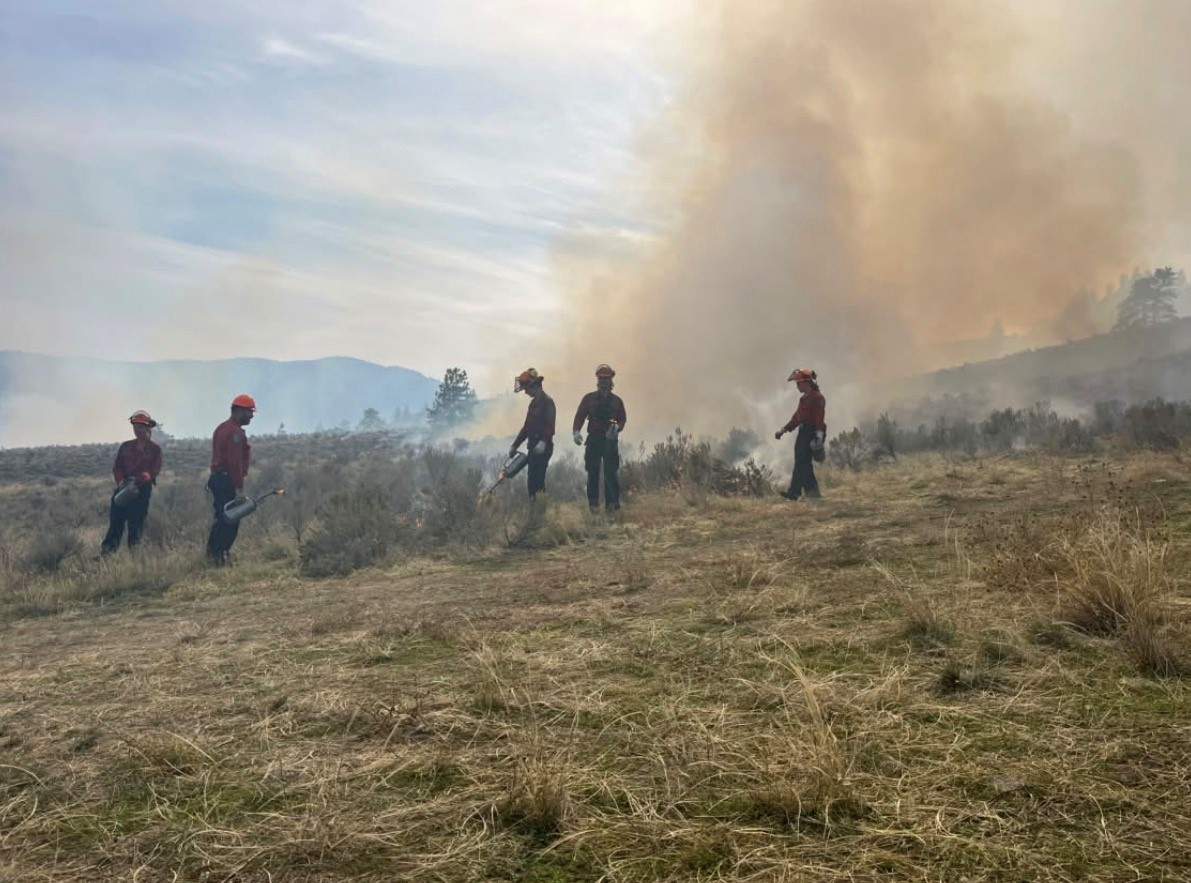
Cultural burning operates on fundamentally different physical and operational principles than standard agency-driven prescribed fire. Where a conventional prescribed burn often relies on heavy mechanical infrastructure, fossil-fuel-driven drip torches, and rigid agency protocols focused primarily on immediate hazard reduction, traditional fire stewardship integrates ecological timing with cultural objectives.
The temporal window for cultural burning is dictated by environmental indicators rather than administrative calendars. Burns are systematically executed during micro-seasons—typically early spring during the receding snowpack or late autumn prior to permanent snow accumulation. During these periods, high ambient moisture content in the underlying soil matrix and surrounding unburned patches acts as a natural containment boundary. This moisture differential ensures that the fire behaves as a slow, low-intensity surface burn.
The thermal profile of a cultural burn is characterized by low flame lengths and residence times insufficient to damage the cambium layer of mature overstory trees, yet high enough to consume fine surface fuels such as dry sagebrush, dead grass, and accumulated needles. By introducing fire at frequent, low-intensity intervals, practitioners prevent the continuous vertical and horizontal arrangement of biomass required for high-severity crown fire propagation.
Economic and Ecological Cost Functions
The historical suppression model incurs immense financial and ecological liabilities. As suppression costs escalate annually, the ecological cost is paid in diminished biodiversity, compromised watershed integrity, and extreme carbon releases from mega-fires.
Indigenous fire stewardship introduces an alternative economic model based on preventative landscape management. The input costs of frequent, low-intensity cultural burns are fractional compared to the expenditures of multi-agency suppression efforts during an uncontrolled wildfire event. Furthermore, the ecological outputs alter the landscape's fuel load function:
- Discontinuity of Fuel Beds: Strategic patch burning creates a heterogeneous mosaic of vegetation age classes, breaking up continuous fuel corridors.
- Moisture Retention and Soil Health: Clearing decadent, woody overgrowth like dense sagebrush reduces immediate vegetative competition for soil moisture, encouraging the proliferation of deep-rooted native grasses that maintain higher green-season moisture content.
- Nutrient Cycling: Low-temperature combustion rapidly mineralizes nutrients, returning them to the soil without volatilizing critical organic nitrogen reserves, thereby stimulating vigorous native plant and medicinal species regeneration.
Jurisdictional and Institutional Friction
Scaling Indigenous-led fire stewardship requires navigating significant structural barriers embedded in contemporary land governance. Fire does not recognize cadastral boundaries, property lines, or jurisdictional demarcations between federal, provincial, and Indigenous lands. However, legal frameworks historically criminalized open burning and concentrated authority within centralized forestry ministries.
Liability frameworks represent a primary bottleneck. Current regulatory regimes often hold burners legally accountable for escaped fires under strict liability doctrines, creating a disincentive structure for autonomous community-led burning. Rebuilding this capacity necessitates a shift from colonial risk-avoidance models to co-governance frameworks that recognize Indigenous legal traditions, tenure rights, and knowledge systems as equal to statutory forestry regulations.
Operational Scaling and Integration
To transition cultural burning from localized pilot projects to a regional mitigation strategy, institutional reforms must address three operational imperatives:
- Decentralization of Training and Certification: Expanding credentialing pathways outside traditional agency gatekeeping allows community members to acquire certified burning status aligned with traditional protocols rather than rigid industrial standards.
- Co-Development of Regulatory Pathways: Establishing dedicated regulatory classifications for cultural burns—separate from industrial forestry or high-risk hazard reduction permits—reduces administrative friction and accounts for ecological timing.
- Integration with Emergency Management: Embedding Indigenous fire practitioners directly into regional fire centers and emergency management planning ensures that traditional knowledge informs pre-season mitigation and real-time suppression strategies alike.
Aligning modern wildfire resilience with traditional fire stewardship requires dismantling institutional resistance and restoring autonomous land-tending authority to Indigenous Nations, transforming fire from an external emergency into an internal instrument of landscape health.