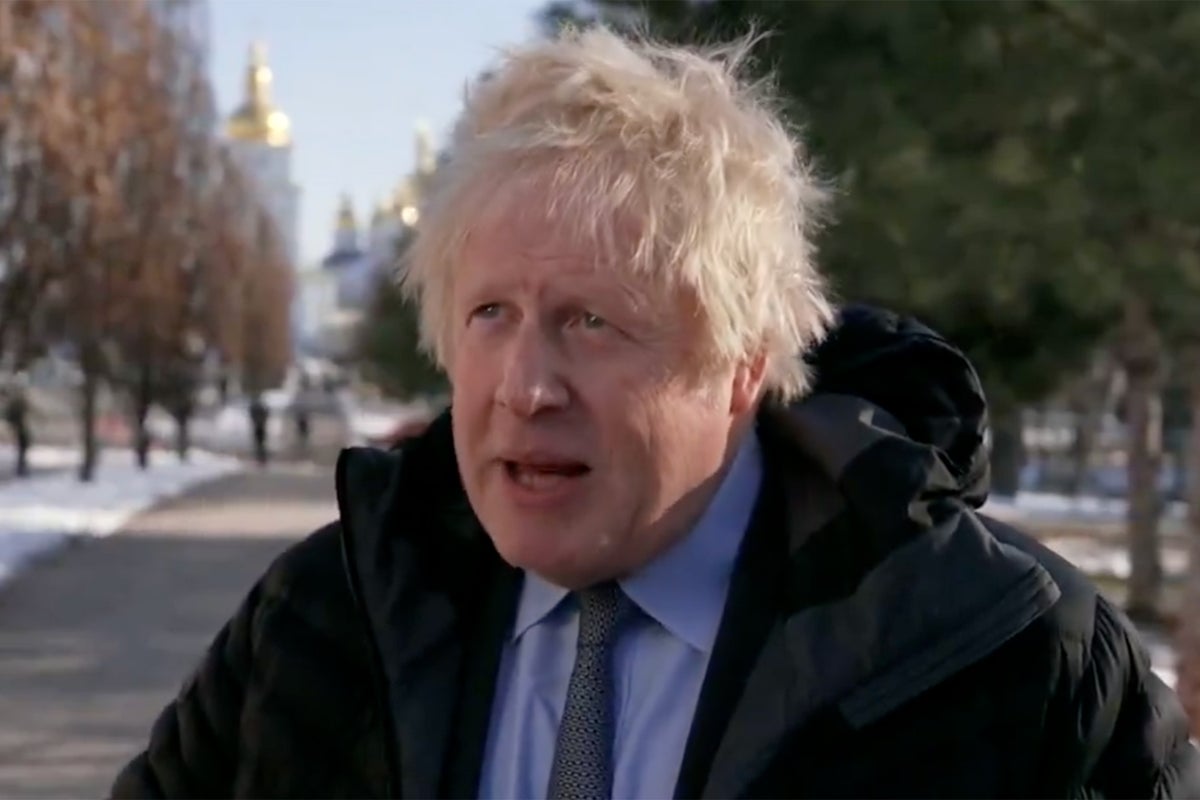
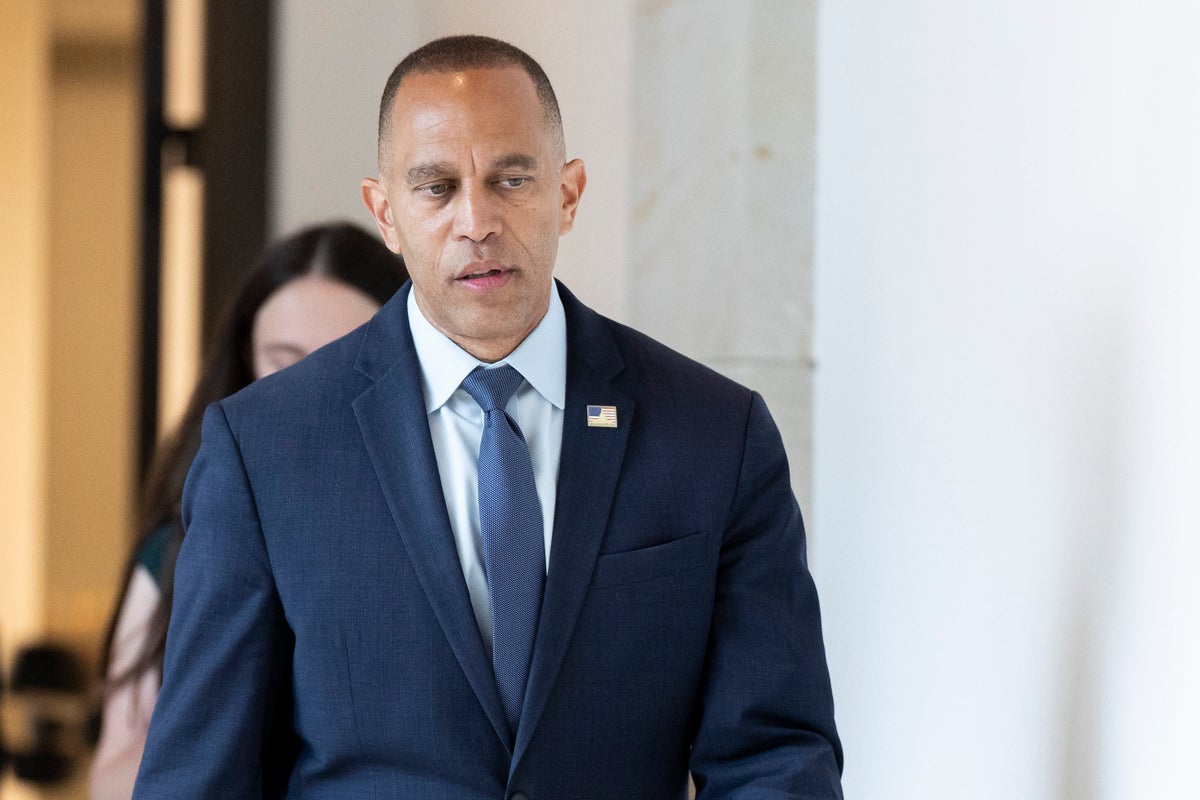
Geopolitical alignment is rarely governed by sentiment; it is dictated by structural incentives, transactional utility, and the management of exposure. When leadership optics capture heads of state locked in deliberate physical contact against a volatile backdrop of international conflict, the underlying mechanics involve strategic positioning rather than casual diplomacy. The 2026 BRICS Summit in New Delhi served as a masterclass in this calculus, bringing together major emerging economies under the strategic mandate of India's chairship theme: Building for Resilience, Innovation, Cooperation and Sustainability. To understand the real weight of the event, one must deconstruct the structural constraints, economic drivers, and diplomatic trade-offs that defined the assembly at Bharat Mandapam.
The contemporary international order is undergoing a rapid transition from unipolar hegemony to a fragmented multipolar matrix. Within this matrix, multilateral institutions function as hedging instruments for states seeking to insulate their sovereign economies from systemic shocks, secondary sanctions, and Western-dominated financial clearinghouses. India’s hosting of the 18th summit occurred amid compounding macroeconomic and security pressures, including trade frictions, supply chain vulnerabilities, and escalating hostilities in the Middle East. Under these conditions, the physical gathering of leaders such as Narendra Modi, Vladimir Putin, and Xi Jinping was designed to project institutional cohesion despite profound internal divergences.
Diplomatic architecture relies heavily on visual signaling to manage domestic constituencies and external adversaries simultaneously. The choreography of high-level summits—ranging from closed plenary sessions to curated bilateral engagements—operates as a pressure valve for unresolved disputes. For instance, bilateral exchanges between New Delhi and Beijing focused explicitly on structural trade imbalances and the protracted friction points along the Line of Actual Control. Rather than resolving decades-old territorial and economic asymmetries overnight, the structured dialogues established a predictable floor for engagement, prioritizing risk mitigation over comprehensive resolution.
Economic pragmatism formed the operational core of the New Delhi Declaration. With an expanded membership incorporating key energy producers and developing economies, the bloc represents a substantial share of global gross domestic product and international trade. This scale grants the coalition structural leverage, yet it introduces acute administrative friction. Consensus-based decision-making models within a diverse coalition inevitably slow down policy execution, as divergent national interests clash over issues such as de-dollarization mechanisms, local currency trade settlements, and governance reforms within international financial institutions.
The institutional expansion of the bloc requires sophisticated frameworks for trade diversification and supply chain security. The introduction of initiatives such as the Global Value Chains action plan and startup innovation networks highlights a pivot toward practical, technology-driven cooperation. Emerging economies face dual pressures: the necessity to integrate into advanced technology ecosystems and the parallel imperative to secure critical mineral supplies and energy corridors against geopolitical weaponization. By institutionalizing sectoral dialogues in agriculture, health, and digital public infrastructure, the grouping attempts to build internal redundancy, minimizing its vulnerability to external economic coercion.
Evaluating the long-term viability of this expanded coalition requires separating rhetorical declarations from binding commitments. Multilateral blocs comprising competing regional powers inherently contain centrifugal forces. Bilateral competition between key members places an upper bound on strategic integration, preventing the bloc from transforming into a traditional military or economic alliance. Instead, the entity functions as a loose alignment mechanism—a platform where revisionist and status-quo-adjacent powers negotiate parallel economic corridors and alternative settlement architectures without fully decoupling from legacy global systems.
Strategic planners monitoring these developments must track three leading indicators to measure the tangible impact of the New Delhi summit: the adoption velocity of local currency settlement mechanisms in cross-border trade, the institutional efficacy of the New Development Bank in financing resilient infrastructure, and the operational stability of bilateral mechanisms designed to manage regional territorial disputes. These metrics strip away the theatrical veneer of summit diplomacy, laying bare the functional reality of a shifting global equilibrium where cooperation is strictly bounded by national self-interest.