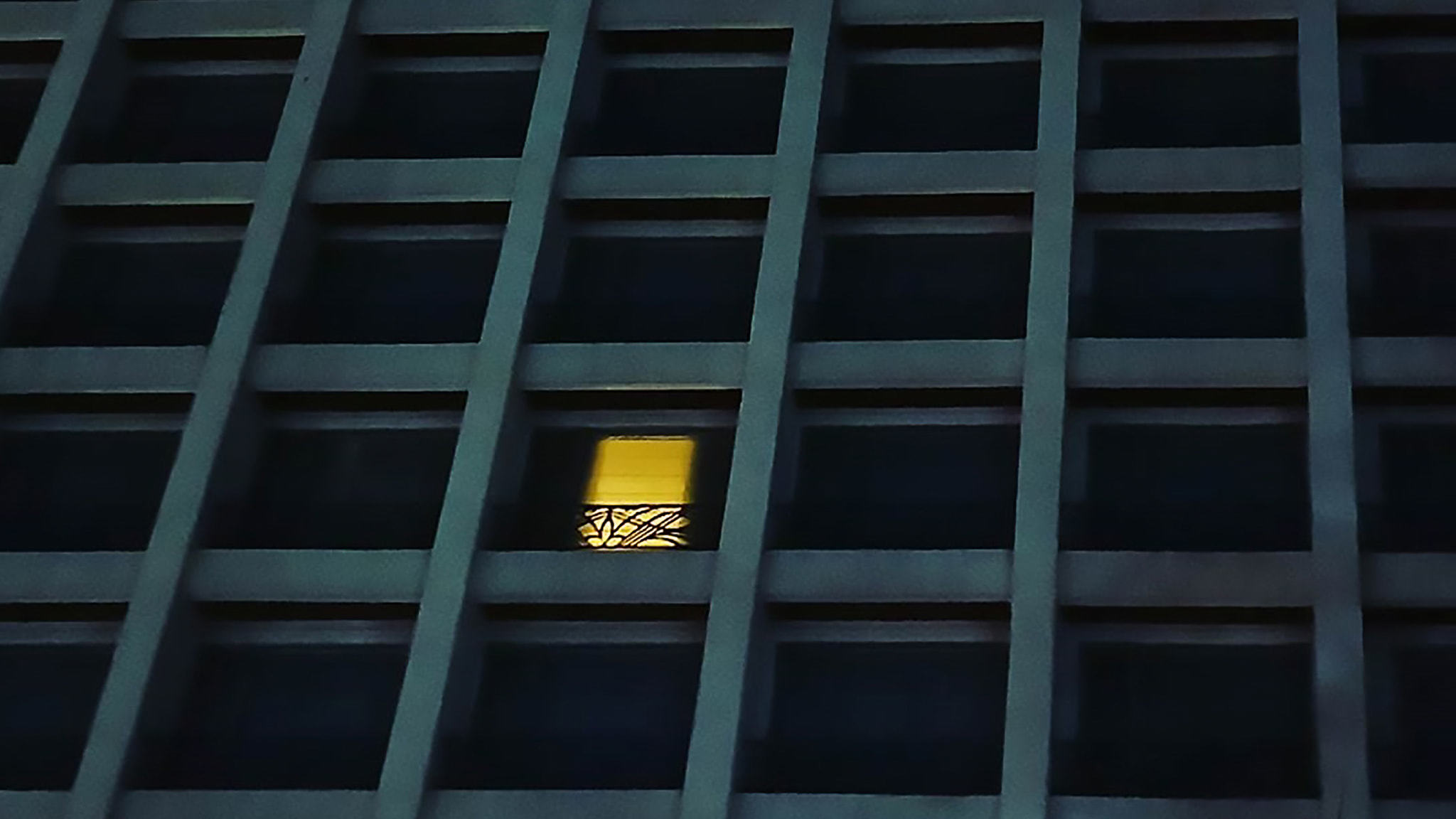
Loneliness in high-density urban environments like Los Angeles operates as a structural failure of social friction rather than a mere emotional deficit. While the "L.A. photo project" identifies the aesthetic markers of isolation, a rigorous analysis reveals that these visual artifacts are symptoms of a specific socio-spatial breakdown. The project functions as a data-gathering mechanism for "uncomfortable" visibility—forcing a confrontation with the high cost of the "privacy premium" that modern urbanites pay for. By documenting these moments, the work transitions from mere art into a mapping of the psychological topography of the city.
The Triad of Urban Disconnection
To understand why a photographic survey of loneliness resonates, we must first categorize the mechanisms that produce the sensation. Urban isolation is not a monolith; it is the product of three distinct variables:
- Spatial Impedance: The physical design of Los Angeles prioritizes private transit (automobiles) over "third places" (parks, plazas, cafes). This reduces the probability of "weak tie" interactions—the low-stakes social exchanges that research suggests are critical for communal belonging.
- The Digital Proxy Paradox: As digital connectivity increases, the perceived necessity for physical proximity decreases. However, digital interactions lack the neurochemical rewards of physical presence, creating a "hollow-calorie" effect in social consumption.
- Performative Friction: In a city built on the industry of image-making, there is a high social tax on expressing vulnerability. Loneliness becomes a "low-status" signal, leading individuals to mask their isolation, which further compounds the internal cognitive load.
The photo project in question disrupts the third variable. By capturing individuals in states of stasis or solitude, it recalibrates the social "market value" of being alone. It moves loneliness from a private shame to a shared, visible data point.
The Mechanics of the Gaze: Why Visibility Functions as Therapy
The discomfort mentioned in the project’s title stems from the "Objectification vs. Subjectification" tension. In a standard urban encounter, people treat one another as obstacles or background noise (civil inattention). Being photographed in a moment of loneliness shifts the individual from a background object to a primary subject.
This creates a feedback loop of external validation. When an observer looks at a photograph of a lonely person and "feels seen," they are participating in a distributed empathy network. The photograph acts as a bridge, reducing the perceived distance between the observer’s internal state and the subject’s external reality. This is not merely "feeling better"; it is the reduction of the "alienation coefficient"—the degree to which an individual feels their experience is unique and therefore unreachable by others.
The Cost Function of Modern Solitude
Isolation is not just a feeling; it is an economic and physiological drain. We can model the "Cost of Loneliness" using the following factors:
- Biological Depreciation: Chronic loneliness triggers a sustained cortisol response, which is linked to accelerated cellular aging and cardiovascular strain. In a clinical sense, the "uncomfortable" nature of the photos mirrors the physiological discomfort of a body in a state of hyper-vigilance.
- Opportunity Cost of Network Effects: A lonely population is less likely to engage in the collaborative risk-taking necessary for local economic innovation. When individuals retreat, the "density of ideas" in a city drops.
- The Maintenance Burden: Maintaining a facade of "connectedness" in a city like L.A. requires significant financial and emotional capital (socializing at high-cost venues, maintaining an aspirational digital presence). The photo project provides "low-cost" emotional entry, allowing participants to exist without the overhead of performance.
Photographic Methodology as a Counter-Signal
The specific aesthetic choices of the Los Angeles project—likely utilizing harsh light, wide angles to emphasize empty space, or centered compositions—serve to quantify the "void." In architectural terms, this is the study of "negative space."
By focusing on the individual within a sprawling, indifferent infrastructure, the photographer highlights the mismatch between human scale and urban scale. This mismatch is a primary driver of the "L.A. Loneliness Model." The city is too large to traverse easily, yet too crowded to find true silence. The result is a persistent state of being "crowded but alone."
The project’s efficacy lies in its ability to force a "pattern break." Most urban dwellers have developed a sensory filter to ignore the loneliness of others to preserve their own emotional bandwidth. The frame of a photograph disables this filter. It demands a sustained "dwell time" on a subject that the brain is evolved to avoid.
Structural Limitations of Visual Intervention
While the project succeeds in "making people feel seen," it faces significant limitations as a long-term solution. It is a diagnostic tool, not a structural cure.
The "Seen Effect" is temporary. Once the viewer moves away from the image, the underlying spatial impedance of Los Angeles remains. A photograph cannot fix a lack of walkable infrastructure or the economic pressures that mandate 60-hour work weeks. There is also the risk of "Aestheticizing Suffering"—where the beauty of the photograph creates a cognitive distance that allows the viewer to admire the "vibe" of loneliness without feeling the urge to address its systemic causes.
To elevate this from an art project to a strategic social intervention, the data gathered (the locations, the demographics, the common themes of the subjects) must be integrated into urban planning. We must ask: Where are these photos being taken? If there is a cluster of "loneliness data" in a specific neighborhood, it indicates a failure of the local built environment.
Calibrating the Social Friction Coefficient
To mitigate the effects of urban isolation, the focus must shift from "awareness" to "environmental engineering." If loneliness is the result of a low "Social Friction Coefficient," then the strategy must be to increase the number of spontaneous, non-transactional interactions.
- Zoning for Micro-Interactions: Shifting from single-use residential zoning to high-density, mixed-use "porous" environments.
- Subsidizing "Third Places": Creating physical spaces where the "cost of entry" is zero, reducing the financial barrier to being in the presence of others.
- The Integration of Sensory Softness: Using greenery and organic materials to counter the "brutalist" psychological impact of concrete and glass, which the photo project identifies as a backdrop for despair.
The true value of the L.A. photo project is its role as a pre-political signal. It captures the data that people are unwilling to report in surveys but cannot hide from a lens. It confirms that the current urban configuration is producing a surplus of psychological "waste" in the form of isolation.
The final strategic move is not to simply look at the photos and feel empathy, but to use them as a blueprint for where the city’s social fabric has thinned to the point of transparency. We must treat these images as "stress tests" for the city's soul. If the subjects look uncomfortable, it is because the environment was never designed for their emotional survival. The next phase of urban evolution requires moving beyond the "visibility" of the individual and toward the "reconstruction" of the collective. This involves a deliberate pivot toward architectural empathy—designing spaces where the probability of being "seen" is a feature of the geography, not a rare event captured by a roving photographer.