The U.S. Army is hitting the brakes on a bold experiment. A specialized battalion within the 173rd Airborne Brigade, once tasked with mastering drone warfare, is being told to drop the controllers and get back to traditional infantry training. It’s a move that feels contradictory at a time when unmanned systems are dominating conflicts from Ukraine to the Middle East.
If you’ve been following the shift in military doctrine, this news is a jolt. Last November, the Army stood up a 600-soldier unit specifically to build, test, and deploy drone technology. They weren't just playing with off-the-shelf toys; they were running an FPV drone lab in Italy and trying to integrate artificial intelligence into battlefield tactics. Now, that mission is essentially being folded back into standard airborne operations.
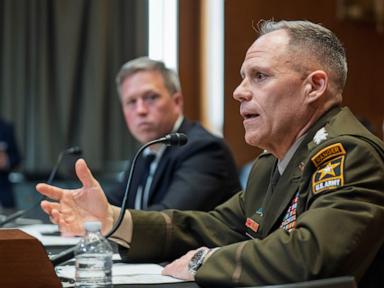
Why pull the plug? The official line from leadership, under Acting Chief of Staff Gen. Christopher LaNeve, is a return to "core missions." It’s an ideological pivot. While the previous leadership pushed hard to bake drone tech into every level of the force, LaNeve’s recent memo suggests a shift back toward what he calls "timeless truths in war."
The Reality of the Pivot
You might be wondering if this is a failure of the technology or a failure of the vision. Honestly, it looks like a classic military "re-centering." When the 173rd Airborne started this, the goal was to absorb lessons from the front lines of the Russia-Ukraine conflict. Soldiers were literally watching social media feeds of Ukrainian drone strikes and trying to replicate those capabilities.
But there’s a difference between tinkering in a lab and integrating those systems into the massive, clunky machine that is the modern U.S. Army.
Some officials argue that the exercises this month and next in Germany were always intended to be a "culminating event." They claim the data collected is the real prize. They plan to pass these findings on to the wider force to inform future design. But let's be real—when you disband a specialized unit, you lose the institutional momentum that comes with dedicated practice.
Lessons From the Front
The timing is what makes this decision so polarizing. We’ve seen firsthand how drones have changed the math on the battlefield. They make everything visible. They make armor vulnerable. They turn cheap plastic and motors into precision-guided weapons.
Despite this, the Army is signaling that it wants to avoid becoming a "drone-only" force. There’s a fear that if you get too wrapped up in the tech, you lose the fundamental discipline required for infantry to close with and destroy an enemy. That’s the "timeless truth" argument. It sounds tough, but it’s a gamble.
If you are a soldier on the ground, you know that drones aren't just an "add-on" anymore. They are the primary threat. By stripping away the dedicated focus of this battalion, the Army risks creating a knowledge gap. Who is going to bridge the gap between high-level policy and the actual, dirty work of jamming enemy signals or maneuvering drones in a contested environment?
What Comes Next
Don’t expect the Army to stop using drones entirely. That would be military suicide. The current plan is for the 173rd to finish its scheduled training, hand over its notes, and transition back to its airborne roots.
The real test will be how the rest of the Army absorbs these lessons. If they take the findings from the last year and actually put them into the hands of every squad leader, this might work. If the lessons just sit in a folder at the Pentagon, then we’ve wasted a massive opportunity to modernize.
Here is what you should watch for in the coming months:
- Force Integration: Look for whether the Army starts issuing more drone-centric training to regular infantry units rather than keeping it locked in specialized "labs."
- Leadership Signals: Keep an eye on the budget. If funding for autonomous systems starts to shrink or gets diverted into conventional hardware, you’ll know the "return to roots" strategy is in full effect.
- Future Exercises: Pay attention to how future training drills in Europe look. If they start excluding high-intensity drone jamming and counter-drone drills, we’ll know the pivot is complete.
The military is stuck between two worlds: the one where infantrymen hold the ground and the one where drones define who gets to hold it. By disbanding this unit, the Army is betting that the human element remains the most important factor, regardless of the tech. Whether that’s a brilliant realization or a dangerous mistake depends entirely on how the next conflict starts.
Keep a close watch on how the Army adapts its procurement. If they start prioritizing "smart" munitions over soldier-operated FPV drones, they are moving in a different, perhaps more dangerous, direction. For now, the experiment is over, but the problem of drone dominance isn't going anywhere.