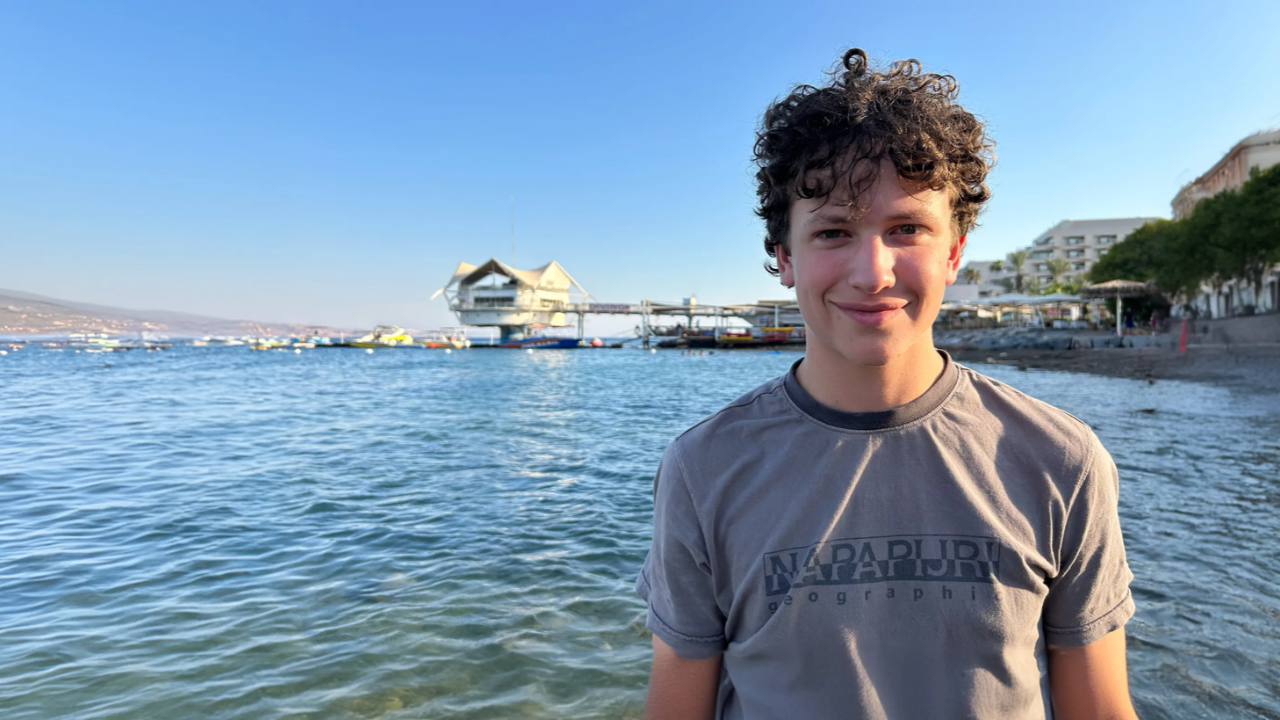
Most teenagers spend their summers complaining about wifi or cramming for exams. At eighteen, Asa Miller was diving off Cuba's coast, mapping underwater nurseries, and helping replant threatened coral across 1.7 square miles of ocean.
That hands-on grind earned him the 2025 Gloria Barron Prize for Young Heroes. Honestly, when I hear about an eighteen-year-old racking up conservation awards and screening a short film at over twenty film festivals, my first instinct is skepticism. A lot of youth climate stories are heavy on speeches and light on fieldwork. Miller's project, ¡Viva el Vivero! (which translates to "Long Live the Nursery"), looks different because he spent time learning real restoration techniques first and then showed up where supplies and manpower were stretched thin.
How Viva el Vivero Works on the Reef
Reef restoration sounds poetic until you're fighting surge underwater with a hammer, zip ties, or coral fragments. Around the Laguna de Maya Marine Protected Area in Matanzas—roughly 60 miles east of Havana—divers and scientists have been working to rebuild coral since 2019.
Before heading to Cuba, Miller trained in the United States, spending weeks in Florida on coral reef conservation dive certifications and taking restoration courses through The Nature Conservancy in Virginia. That prep mattered. Coral gardening isn't just clipping a branch and hoping for the best. You have to track water conditions, keep nursery structures clean so algae doesn't smother young tissue, and log data consistently.
In Matanzas, the team grew coral fragments on underwater tree-type nurseries and outplanted healthy fragments across roughly 1.7 square miles (about 4.4 square kilometers) of marine area. Miller also helped document progress by reviewing dive logs, conducting interviews, and creating two maps of the restoration work so far.
Coral nurseries don't fix ocean warming by themselves. They buy time, preserve local genotypes, and keep active restoration alive when budgets are tight.
What People Get Wrong About Coral Gardening
Here's the catch that a lot of feel-good headlines gloss over. Planting nursery-grown coral does not magically cure marine heatwaves. In 2023, severe ocean heat pushed water temperatures past 32°C for months in parts of the wider region, wiping out huge swaths of coral colonies. If the water stays too hot for too long, even carefully tended fragments can bleach or die.
So why bother with nurseries at all? Because reefs are dying from multiple angles at once—warming water, disease, coastal runoff, and physical damage. When local teams have working nurseries, trained divers, and solid records, they can rebuild damaged patches faster after storms or localized stress and keep community momentum going. In places with limited funding and supply bottlenecks, practical support like gear, training, and mapping is often the difference between a stalled pilot and a working program.
Why Cuba's Reefs Matter Right Now
Cuba sits at a crossroads for Caribbean marine life. While reefs across much of the Caribbean have taken heavy hits over decades, Cuban waters have historically retained healthier pockets of reef structure alongside areas facing mounting pressure from warming seas and human activity.
Work in Matanzas isn't happening in a vacuum either. Across Cuba, local divers, instructors, and researchers have often had to improvise with tight resources while still pushing to protect coastal ecosystems and tourism-linked livelihoods. Miller's angle—pairing his background and training with on-the-ground documentation and nursery work—fits into a broader push to keep local conservation teams equipped rather than parachuting in with big promises and disappearing.
His documentary short, Coral Reef Restoration, helped carry that story far beyond the dive boat, reaching thousands of viewers and winning awards at dozens of international film festivals. Storytelling helps fundraise and recruit volunteers, though I'll say this bluntly: a great film is only as credible as the reef survival numbers behind it over the next five to ten years.
Practical Ways to Support Real Reef Work
If you're reading this and wondering how to actually help marine restoration instead of just sharing another inspiring post, start small and stay picky.
- Back programs with transparent tracking. Look for marine conservation groups that publish site locations, species worked on, and survival or monitoring updates rather than vague "corals planted" counts. You can read more about the award and youth initiatives through the Gloria Barron Prize for Young Heroes.
- Focus on root pressures, not just planting. Coral survival depends heavily on water quality and heat stress, so supporting coastal watershed protection, reduced single-use runoff, and climate advocacy matters just as much as underwater nurseries.
- Train properly if you dive. If you're a certified diver interested in reef conservation, take reputable coral restoration or ecological monitoring courses before touching live coral—bad handling kills fragile tissue fast.
- Support local stewards where you travel. When visiting coastal destinations, choose operators that follow strict no-touch reef rules, avoid anchoring on live coral, and partner with local marine scientists.
Asa Miller put the challenge pretty plainly when speaking at the 2025 Bioneers Conference, asking people to picture the environmental problem they care most about fixing and then asking, "What are you waiting for?" Pick one concrete place to put your time, money, or skills this month—and check back on the results a year from now.