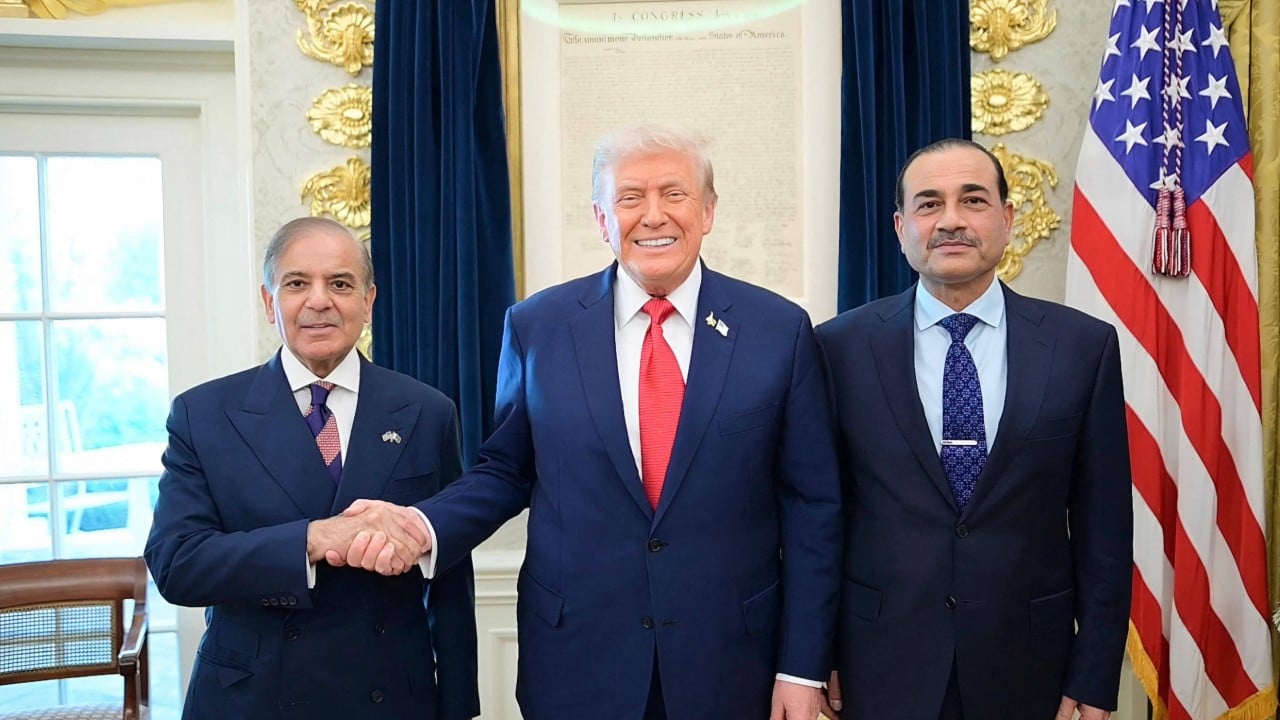
Donald Trump isn't exactly known for handing out participation trophies to foreign generals. In fact, during his first term, he famously cut off military aid to Pakistan with a blistering tweet about "lies and deceit." But fast forward to April 2026, and the vibe has shifted so radically it's giving veteran diplomats whiplash. Trump is now publicly calling Pakistan’s Army Chief, Field Marshal Asim Munir, "instrumental" in stopping a nuclear catastrophe. Even more bizarre? The Iranian leadership, usually wary of anyone too cozy with Washington, is calling him a "dear brother."
You're probably wondering how a guy who spent his career in the shadows of Pakistan’s intelligence apparatus managed to become the only person both the White House and Tehran actually trust. It isn't just luck. It's the result of a calculated, high-stakes brand of military diplomacy that has placed Munir at the center of the world's most dangerous geopolitical chessboard.
The man who stopped the missiles
To understand why everyone's suddenly a fan, you have to look at the sheer chaos of the last few weeks. We were staring down the barrel of a full-scale war between the U.S., Israel, and Iran. Trump had been threatening to wipe out "entire civilizations" in response to Iranian provocations and the closure of the Strait of Hormuz. The world was bracing for an oil price explosion and a regional meltdown.
Then came the Truth Social post that changed the trajectory. Trump announced he was backing down from immediate strikes specifically because of "conversations with Field Marshal Asim Munir."
Munir didn't just send a polite email. He leveraged a relationship with Trump that started in early 2025 when Pakistan handed over a high-value target—the alleged perpetrator of the 2021 Abbey Gate bombing in Kabul. That move bought Munir a seat at the table. By the time the Iran crisis peaked in early 2026, Munir was the one working the phones at 3:00 AM, persuading Trump that a "10-point proposal" from Tehran was a workable basis for peace.
Why Tehran is actually saying thank you
Iran usually views Pakistan's military as a proxy for either the U.S. or Saudi Arabia. So, why did Iranian Foreign Minister Abbas Araghchi just extend "deepest gratitude" to Munir?
Basically, Munir played a double game that actually worked. While he was pitching investment opportunities like the Pasni seaport to Americans, he was keeping the 900-kilometer border with Iran stable. When other regional players like Qatar and Oman were being sidelined or viewed with suspicion, Pakistan emerged as the "alternative."
Munir understands the Iranian Revolutionary Guard Corps (IRGC) better than almost any Western official. He used that insight to convince Tehran that Trump was serious about "total destruction," effectively giving the Iranians a face-saving exit. He framed the ceasefire not as a surrender, but as a request from a "brotherly neighbor" to avoid regional ruin.
The Field Marshal’s domestic reality
Inside Pakistan, Munir is a polarizing figure. You can't talk about his international "peace broker" status without acknowledging how he runs things at home. Since taking the top job in late 2022, he’s consolidated power in a way we haven't seen in decades. He’s sidelined populist rivals like Imran Khan and essentially taken the wheel of the country’s economic and foreign policy.
His recent promotion to Field Marshal—a rank rarely used in Pakistan—was a signal to the world that he isn't just a temporary military lead. He's the guy making the decisions. For the U.S., dealing with a single powerful general is often easier than navigating the messy bureaucracy of a coalition government. Trump likes "strongmen," and Munir fits the profile of someone who can actually deliver on a deal.
What this means for the region
This isn't just about a temporary ceasefire. We're seeing a fundamental shift in how Pakistan operates on the global stage. For years, Islamabad was the "difficult partner" that the U.S. tolerated only because of Afghanistan. Now, Munir has repositioned the country as a vital mediator in the Middle East and a cooling influence on India-Pakistan tensions.
Trump even credited Munir with helping de-escalate a nuclear standoff with India's Narendra Modi just months ago. By nominating Trump for a Nobel Peace Prize and endorsing his Gaza peace plan, Munir has played into the former president's desire for legacy-building. It's a pragmatic, some might say cynical, approach to diplomacy that has yielded massive results.
If you’re looking for the next move, watch the upcoming summit in Islamabad. The fact that the U.S. and Iran have agreed to hold follow-up negotiations on Pakistani soil tells you everything you need to know. Munir has successfully moved Pakistan from the "naughty list" to the center of the diplomatic world.
The immediate next steps for the region involve the "COMPLETE, IMMEDIATE, and SAFE OPENING" of the Strait of Hormuz. If that happens without another shot being fired, Munir’s stock will only go higher. For now, he’s the only man in the world who can get a "thank you" from both the MAGA crowd and the Ayatollahs.