The convergence of United States statutory sanctions and secondary trade penalties creates a high-friction environment for major economies importing Russian hydrocarbons. Legislative frameworks such as the Lindsey O. Graham Sanctioning Russia and Iran Act establish a dual mechanism of financial prohibitions and import duties targeting nations maintaining high-volume energy commerce with Moscow. Evaluating how structural exemptions and executive waiver authorities apply to distinct trade partners reveals the underlying mechanics governing state-level exposure to retaliatory trade policy.
The Mechanics of Secondary Trade Penalties
Legislative initiatives designed to curtail Russian war financing rely on import-linked penalties rather than direct financial blocks alone. Under this architecture, nations accounting for the largest shares of Russian crude oil and natural gas imports face potential secondary tariffs reaching up to one hundred percent on their exports to the United States.
This creates a direct transmission channel between global commodity sourcing and bilateral trade balance stability:
- Volume Thresholds: Jurisdictions whose import volumes cross predetermined percentage shares of Russia's annual hydrocarbon exports trigger baseline eligibility for secondary penalties.
- Export Exposure: The severity of the tariff threat is a function of a target nation's export volume into the United States market relative to its total economic output.
- Diversification Lag: The time required to re-route energy supply chains introduces structural friction, leaving states exposed to punitive duties during transition windows.
Statutory Waivers and Executive Discretion
The architecture of modern U.S. sanctions legislation incorporates explicit safety valves designed to protect domestic economic interests and maintain diplomatic flexibility. The primary instrument for relief is executive waiver authority grounded in national interest determinations.
Executive branches utilize these statutory exceptions based on specific parameters:
- National Interest Criteria: The executive can suspend enforcement if application of the law threatens broader geopolitical alliances or introduces acute domestic inflationary pressures through energy supply shocks.
- Mitigation Carve-outs: Provisions exist to exempt states that demonstrate verifiable, phased reductions in their reliance on Russian energy infrastructure over designated compliance periods.
- Strategic Alignment: Waivers frequently correlate with broader defense, technology, and regional security pacts, linking commercial energy penalties to diplomatic cooperation.
Divergent Risk Profiles for Major Importers
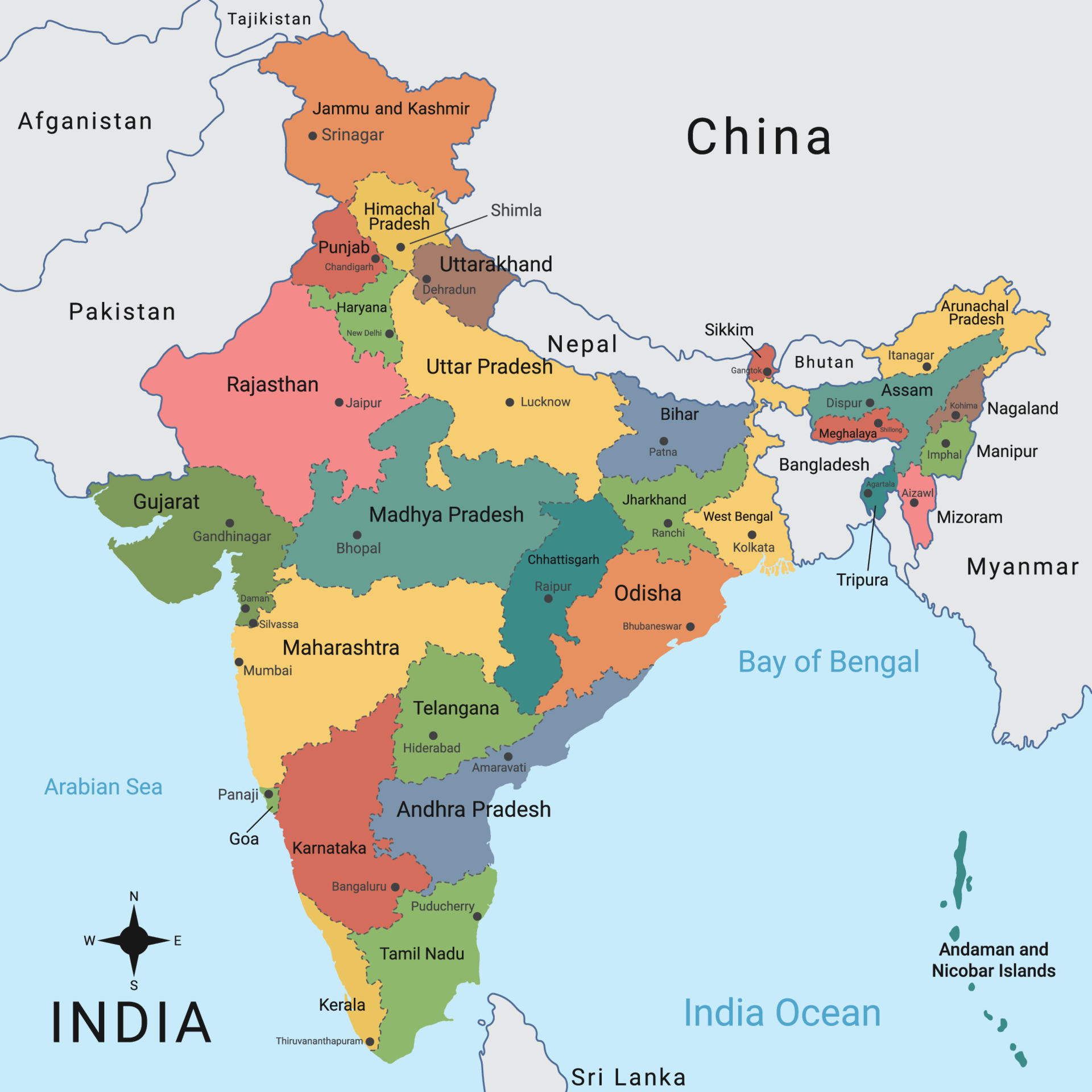
While both Beijing and New Delhi navigate the complexities of discounted Russian energy imports, their institutional exposure to United States tariff policy differs fundamentally.
China operates within a trade posture already characterized by systemic tariffs and structural decoupling from the United States market. Consequently, additional energy-linked sanctions represent an incremental escalation within an ongoing bilateral trade conflict rather than a sudden policy break. Beijing’s response mechanism relies on retaliatory regulatory measures, state-directed import substitution, and alternative financial clearing architectures designed to insulate its industrial base from Western monetary jurisdiction.
Conversely, India's economic exposure operates through a different transmission mechanism. New Delhi has maintained a strategic partnership with Washington while simultaneously securing discounted crude to stabilize domestic inflation and energy costs. The imposition of secondary tariffs directly threatens key export sectors, including technology services, pharmaceuticals, and manufacturing. Because India lacks the insulation of an entirely state-controlled trade apparatus or equivalent retaliatory leverage over U.S. consumer markets, its strategic calculus relies heavily on securing formal waivers through diplomatic engagement.
Strategic Outlook on Compliance and Enforcement
The operational status of secondary tariff provisions remains contingent upon executive branch administration and periodic congressional review. Even when formal waivers are executed, the underlying statutory authorities remain active in legislative texts, introducing permanent regulatory volatility.
Multinational enterprises operating across these jurisdictions must price political risk directly into long-term capital allocation models. Supply chain optimization must account for the rapid activation or modification of waiver terms, treating trade policy not as a fixed legal code, but as a dynamic variable subject to shifting geopolitical alignments.