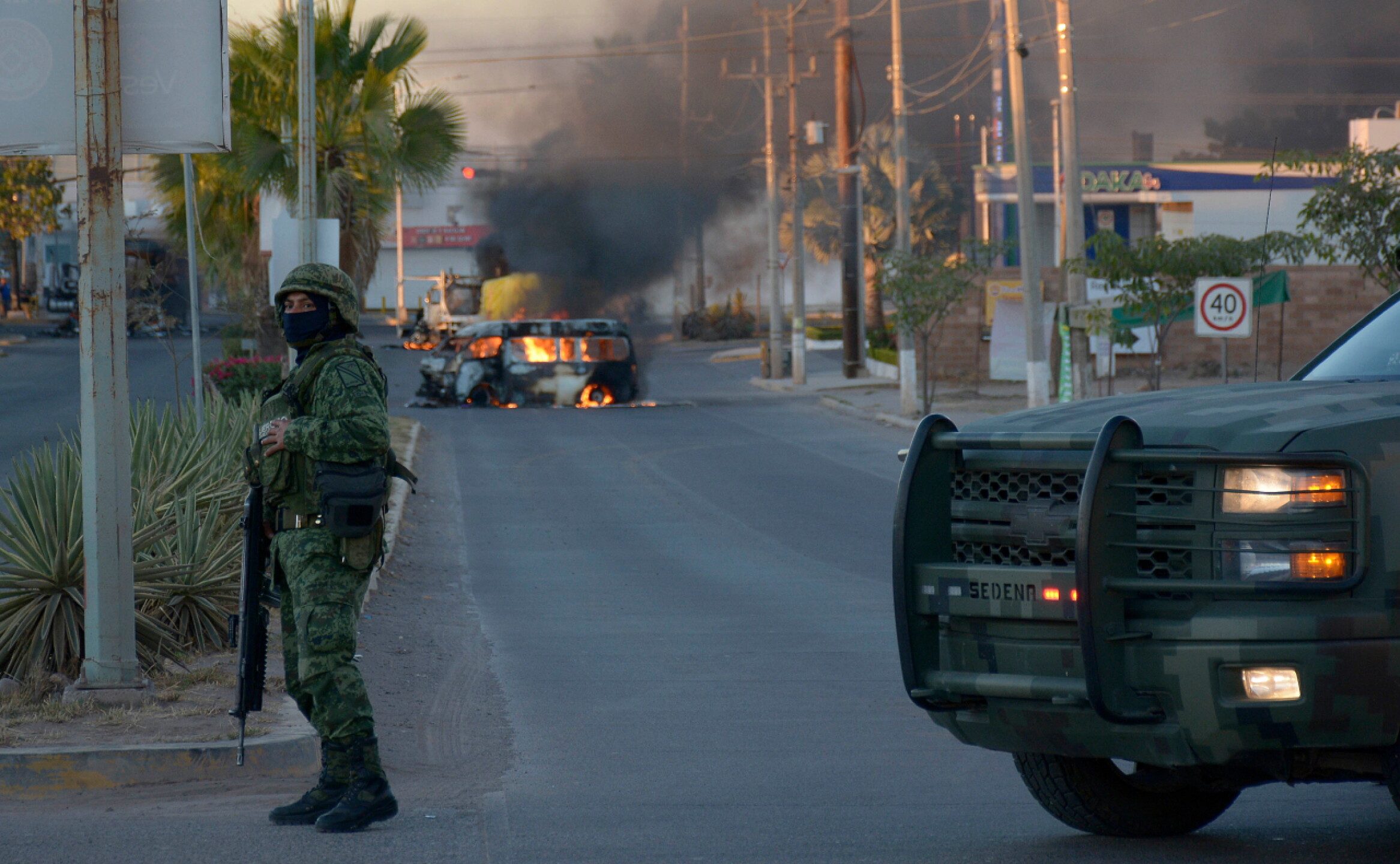
The headlines are predictable. A minibus in Kherson gets hit. Two civilians are dead. Russia claims "incremental progress" on the front line. The mainstream media laps it up, framing these events as proof of a slow, grinding Russian victory. They are looking at the wrong map.
If you think a drone hitting a bus or a 500-meter crawl through a ruined village in the Donbas signifies a shift in the war’s gravity, you are falling for the oldest trick in the book. You are mistaking tactical cruelty for strategic competence.
Russia isn't "advancing." It is hemorrhaging its future to buy a few more weeks of relevance.
The Logistics of Desperation
Let’s talk about the drone strike in Kherson. Western outlets report these incidents as isolated tragedies. They aren't. They are the frantic gasps of a military that has failed to achieve air superiority after two years of trying. When a superpower—or a country that identifies as one—resorts to using FPV drones to target civilian transport in a secondary theater, it isn't showing strength. It’s admitting it cannot hit high-value military targets with precision at scale.
War is a math problem.
Russian logic suggests that if they kill enough civilians and seize enough bombed-out basements, the West will get bored and Ukraine will fold. This is the Attrition Fallacy.
True attrition isn't about body counts or burnt-out buses. It’s about the replacement rate of high-end hardware. Russia is currently burning through Soviet-era tank reserves at a rate that far outpaces their production capacity. They are swapping T-90s for "golf carts" and motorcycles on the front lines. Taking a treeline at the cost of forty armored vehicles and three hundred men isn't "progress." It’s a liquidation sale.
The Front-Line Progress Illusion
Russia’s "claims of progress" are a masterclass in shifting the goalposts. In 2022, the goal was Kyiv. In 2023, it was the full capture of the Donbas. In 2024, they are celebrating the capture of a village with a pre-war population of twelve people.
The media fails to mention the Geometric Cost of Aggression.
- Distance vs. Decay: The further Russia pushes into Ukrainian territory, the more vulnerable their logistics become. Every mile gained is a mile of supply line that HIMARS and ATACMS can chew on.
- The Urban Trap: Russia doesn't "capture" cities. They delete them. When you flatten a city like Marinka or Avdiivka to take it, you haven't gained an asset. You’ve gained a graveyard that offers zero defensive cover and requires massive engineering resources to hold.
I’ve watched analysts drool over maps showing red blobs expanding by a few millimeters. They ignore the fact that these "gains" are occurring in areas of zero strategic value while the Black Sea Fleet is being systematically dismantled by a country without a functional navy. If you lose your fleet but gain a scorched field in Zaporizhzhia, you aren't winning. You’re trading a queen for a pawn and pretending it was a brilliant gambit.
The Drone Dead-End
The obsession with drone strikes on civilian infrastructure highlights a massive gap in Russian electronic warfare (EW) capabilities.
The "consensus" is that Russia has the edge in EW. If that were true, the Ukrainian drone corridor over the Dnipro would be a dead zone. Instead, we see Russia using drones as a weapon of terror because they can't use them as a weapon of maneuver.
Targeting a minibus in Kherson is a low-IQ tactical move. It achieves nothing militarily. It consumes a drone, a pilot’s time, and a battery. It generates international outrage and firms up Western resolve. In a war of limited resources, using a precision tool for a low-value psychological strike is a sign of command-and-control breakdown. It means the guys on the ground are bored, frustrated, and undisciplined.
The Myth of the "Slow Grind"
People also ask: "Can't Russia just keep this up forever?"
The short answer: No.
The longer, more brutal answer: Russia is cannibalizing its civilian economy to fund a military industrial complex that produces "dumb" munitions. While they can produce millions of 152mm shells, they cannot produce the microchips needed for the next generation of warfare. They are becoming a vassal state to North Korea for ammo and China for dual-use tech.
This isn't the behavior of a resurgent empire. It’s the behavior of a regime that knows the clock is ticking.
The "slow grind" is actually a Stalling Maneuver. Russia needs a ceasefire. They need to freeze the lines so they can spend five years rebuilding the army they’ve lost. Every "claim of progress" is a PR push to convince Western voters that the war is a stalemate and they should stop sending checks.
The Intelligence Failure of "Balance"
Journalism likes "balance." On one hand, Ukraine strikes an oil refinery. On the other, Russia hits a bus. These are not equal.
Ukraine is targeting the Russian treasury. By hitting refineries, they are attacking the only thing keeping the Ruble on life support. Russia is targeting buses. One is a strategic decapitation. The other is a temper tantrum.
If you want to understand the war, stop looking at the territorial maps. Look at the Refinery Maps. Look at the A-50 Early Warning Aircraft count. Look at the Interest Rates in Moscow.
The territorial lines in the Donbas are the most expensive, least relevant metric of the entire conflict. Russia is "winning" a few meters of dirt while losing the ability to protect its own airspace and fund its own future.
Stop Asking if Ukraine Can Win
The question isn't whether Ukraine can take back every inch of soil by Tuesday. The question is whether Russia can survive the "victory" it’s trying to buy.
When you read about "front-line progress," remember that the Soviet Union "progressed" in Afghanistan for nine years. They won almost every tactical engagement. They held the cities. They killed the "insurgents."
Then, they went bankrupt and ceased to exist.
A drone strike on a bus in Kherson isn't a sign of an impending Russian breakthrough. It’s a sign that the "second-best army in the world" has nothing left but petty cruelty and the hope that you are too distracted by the headlines to notice they are bleeding out.
The red ink on the map isn't a border. It’s a tourniquet. And it’s slipping.