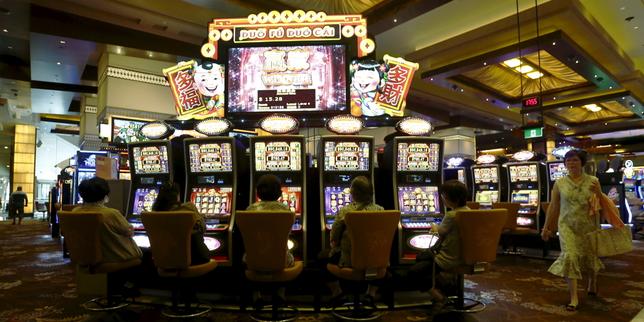
Walk into almost any suburban pub or community club in Australia, and you will hear a distinct symphony. It is a mix of electronic chimes, synthetic sirens, and the heavy thud of plastic buttons. This is the sound of the poker machine, affectionately and dangerously known as the "pokey." Australia houses less than half a percent of the world's population, yet it holds roughly 76 percent of the world's pub and club slot machines. That is not a typo. It is a staggering public health crisis hiding behind the guise of casual entertainment.
For decades, the country has built a massive portion of its social infrastructure around these flashing boxes. Local sports teams, community hubs, and RSL clubs rely heavily on the revenue generated by losses. The system turns ordinary citizens into funding sources for community venues. It is a brilliant financial design, but the human cost is catastrophic. Australians lose over 25 billion dollars annually to gambling, with poker machines taking the lion's share of that wealth.
Understanding why this problem runs so deep means looking past the flashing lights. It requires examining how politics, corporate interests, and cultural identity became tied to a machine designed to drain your wallet.
The Hidden Scale of the Problem
Most people assume places like Las Vegas or Macau dominate the global gambling scene. That is true for high rollers and massive resort casinos. But when it comes to everyday, community-level losses, Australia stands completely alone. The concentration of machines in everyday spaces changes how people interact with gambling. You do not have to plan a trip to a casino to lose your paycheck. You just have to walk down the street to grab a schnitzel.
New South Wales is the epicenter of this issue. The state holds nearly half of all poker machines in the entire country. Data from the Alliance for Gambling Reform shows that certain low-income suburbs in Western Sydney lose millions of dollars every single month to these machines. The design of the gaming lounges exacerbates the problem. They lack windows. They lack clocks. They offer free soft drinks and snacks to keep players glued to their seats.
The math behind the machines is brutally efficient. Modern poker machines do not operate on mechanical reels. They use complex computer algorithms programmed for asymmetric outcomes. Features like "losses disguised as wins" play a major psychological trick on users. A player might bet two dollars, win fifty cents back, and the machine celebrates with flashing lights and triumphant music. The brain registers a victory, but the bank account reflects a loss.
The Political Stranglehold on Reform
Attempts to reform the industry face immense resistance. The gambling lobby in Australia ranks among the most powerful political forces in the country. ClubsNSW, the body representing registered clubs in New South Wales, wields significant influence over state policy. Politicians know that proposing serious limits on poker machines can end their careers.
When former Independent MP Andrew Wilkie tried to introduce mandatory pre-commitment laws at a federal level, the industry launched a massive, multi-million dollar counter-campaign. The message targeted voters by claiming the government wanted to interfere with their local clubs and take away their recreational freedom. The reform was watered down until it became practically useless.
The financial reality makes state governments complicit. Pokies taxes bring in billions of dollars for state treasuries every year. This creates a deeply conflicted system. Governments rely on the revenue to fund hospitals, roads, and schools, meaning they have a financial incentive to keep the machines spinning. It is a cycle of dependency where the state relies on the financial losses of its most vulnerable citizens to balance the budget.
Digital Upgrades and the New Wave of Risk
The threat has evolved beyond the physical machines found in local pubs. The rise of digital sports betting and mobile gambling apps brought the poker machine experience directly into people's pockets. Young Australians grow up bombarded by gambling advertisements during live sporting events. The line between gaming and gambling blurred significantly.
Features common in video games, like loot boxes, train younger brains to respond to variable reward schedules. These schedules are identical to the mechanisms powering traditional poker machines. Experts from the Australian Gambling Research Centre point out that young adults who engage heavily with simulated gambling apps are significantly more likely to transition to real-money gambling later in life.
The introduction of digital wallets and cashless gaming cards aims to curb money laundering, but it introduces new risks. Removing physical cash from the equation detaches players from the reality of their losses. Pushing a digital button to transfer funds feels abstract compared to feeding hundred-dollar bills into a slot.
Breaking the Financial Cycle
Addressing the crisis requires looking at how communities fund themselves. Right now, many local sports clubs rely on pokies profit to maintain fields and buy jerseys. We need a structural shift away from this model.
Tasmania took a different approach by capping machine numbers and altering the licensing structure to reduce harm. Western Australia remains the only state that successfully restricted poker machines exclusively to its single major casino. The result is obvious. Western Australia consistently records significantly lower rates of gambling harm and lower average financial losses per capita compared to New South Wales or Victoria.
True change involves implementing mandatory pre-commitment systems with binding loss limits. Players must decide how much they can afford to lose before they start playing, and the machine must shut off once that limit is reached. Facial recognition technology can enforce self-exclusion lists, preventing problem gamblers from entering gaming areas.
If you or someone close to you struggles with gambling habits, reach out to the National Gambling Helpline at 1800 858 858 for free, confidential support. Transitioning local economies away from gambling revenue takes time, but acknowledging the true cost of these machines is the necessary first step.