Promises sound great in press conferences. They look terrible on paper when your life is on the line.
Right now, thousands of Afghans who risked everything to support Australian military and diplomatic missions are stuck in dangerous limbo. They trusted the system. They helped build secure compounds, translated critical intelligence, and stood beside Australian personnel when the security situation deteriorated. Now, the queue for safety has stalled into a bureaucratic nightmare. They aren't asking for handouts. They are asking Canberra to honor the word it gave them before the 2021 Kabul evacuation.
The Broken Promise of Safe Passage
Australia pulled its troops out, packed up the embassy, and left. That part is history. What happens next is a daily crisis of survival for the local staff left behind.
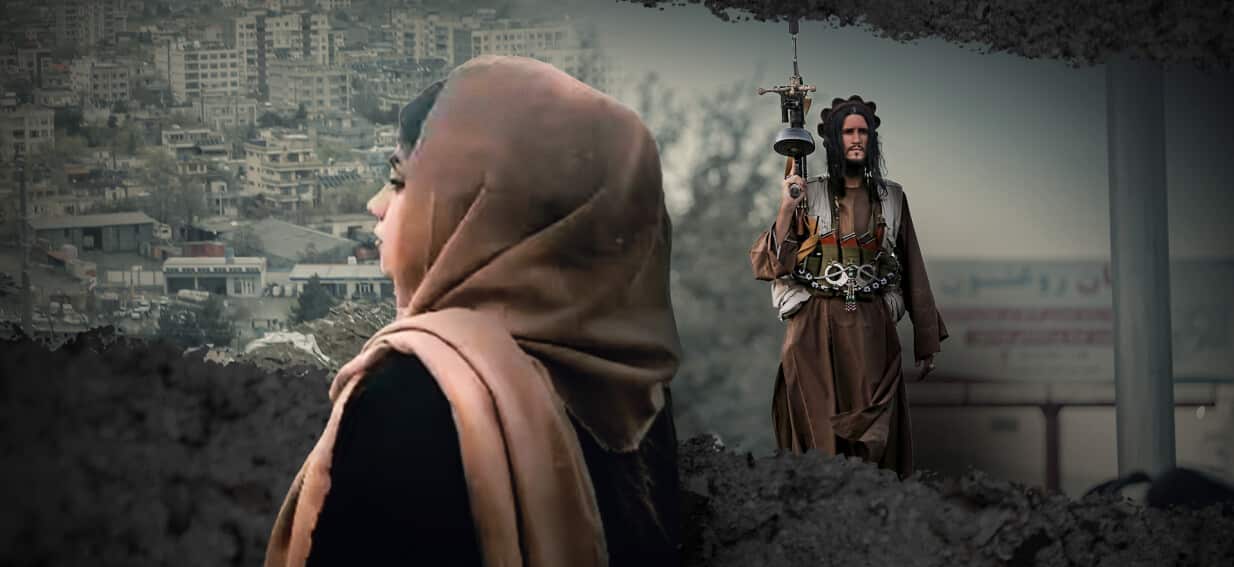
If you worked alongside Western forces in Afghanistan, you carry an invisible target on your back. The current regime views former coalition contractors and translators as traitors. It does not matter that you only cooked meals or translated maps. The association alone brings midnight knocks on the door, interrogation, and worse.
Australia set up humanitarian visa pathways—subclass 200 and subclass 449 streams—to bring these vulnerable people to safety. But processing times crawl at a snail's pace. While immigration officials shuffle paperwork, applicants change safe houses every few weeks. They burn through their savings paying bribes at checkpoints. Some have already been detained or killed because their visa approvals arrived weeks after their deaths.
Bureaucracy Kills While Ministers Blame the Backlog
Let us be completely honest about why this happens. Bureaucracy is rarely just a slow machine. It is often a deliberate shield for political cowardice.
Governments fear political backlash over intake numbers. They worry about domestic housing shortages or security vetting speedbumps. So, they implement layer after layer of red tape. Every extra security check, biometric collection hurdle, and duplicate background interview adds months to an already exhausted process.
I have spoken with advocates who spend their nights tracking cases across time zones. They tell stories of endless automated emails. "Your application is under active consideration." That standard corporate response translates to weeks of hiding in a basement while neighbors watch your front gate.
Applicants must prove their employment history with official letters, pay stubs, and references from Australian commanders. But what happens when you had to burn your employee badge the night the Taliban took Kabul to avoid execution? Expecting pristine paperwork from a war zone is not rigorous vetting. It is bureaucratic gaslighting.
The Human Toll Beyond the Statistics
Numbers on a parliamentary report rarely capture the reality. We are talking about doctors, teachers, engineers, and translators who helped Australian lives remain intact during twenty years of war.
Consider the psychological weight of waiting. Families live in neighboring countries like Pakistan or Iran on expired tourist visas. They cannot work legally. Their children cannot attend school. They face the constant threat of forced deportation back to Afghanistan, which amounts to a death sentence.
Local community groups in Australia step up with private donations to pay rent for these stranded families. They send grocery money via underground hawala networks because formal banking systems block transactions to undocumented refugees. It is a grassroots rescue operation filling a vacuum left by a wealthy nation too slow to act.
What Real Accountability Looks Like
Fixing this crisis does not require a complex diplomatic summit. It requires political will.
First, the Department of Home Affairs needs to slash unnecessary verification hurdles for applicants who already possess verified command endorsements. If an Australian lieutenant colonel vouches for a former interpreter, that should carry weight.
Second, temporary protection visas must transition into immediate permanent residency upon arrival. Forcing traumatized refugees to jump through recurrent visa renewal hoops once they land in Sydney or Melbourne serves no purpose other than keeping them stressed.
Australia carved out a moral obligation the moment the first soldier stepped off a transport plane in Kandahar or Tarin Kowt. You cannot outsource your moral debts to an infinite processing queue. Fulfilling that obligation means clearing the backlog now, before another family pays the ultimate price for administrative delay.