Forget what you heard about the Strait of Hormuz being the only choke point that matters. While everyone spent decades staring at the Persian Gulf, the real center of global tension shifted south. The Bab al Mandab Strait is no longer just a secondary shipping lane. It's the most volatile strip of water on the planet right now. If you want to understand why your energy bills are spiking or why your latest online order is stuck in transit, you have to look at this eighteen-mile-wide gap between Yemen and Djibouti.
The name translates to the Gate of Grief. It's fitting. For centuries, sailors feared its reefs and currents. Today, the world's biggest economies fear its geopolitics. This isn't just about regional squabbles. It's about the literal plumbing of global trade. When this pipe clogs, the whole world feels the pressure.
The strategic nightmare of eighteen miles
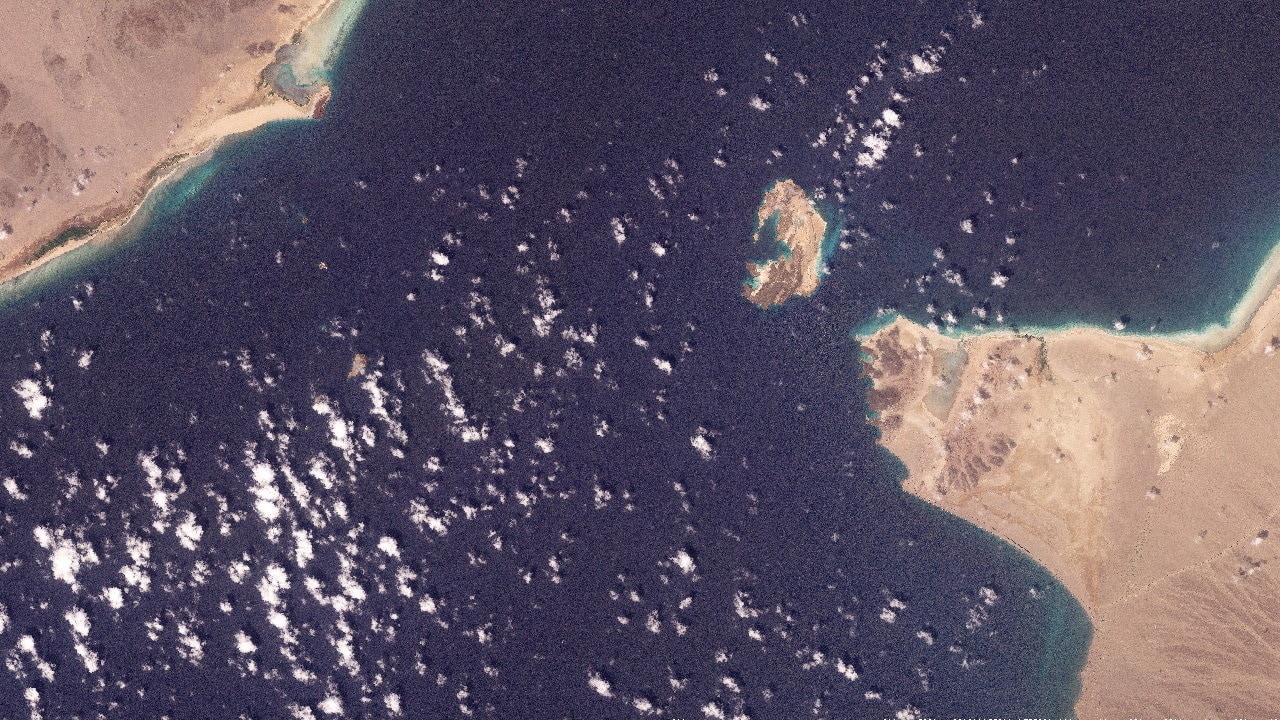
Geography is destiny. The Bab al Mandab is the southern doorway to the Red Sea. It connects the Indian Ocean to the Mediterranean via the Suez Canal. It's narrow. It's shallow. And it's currently a shooting gallery.
Most people don't realize how tight the space actually is. The Perim Island divides the strait into two channels. The eastern one, known as Bab Iskender, is barely two miles wide. The western one, Dact-el-Mayun, is about sixteen miles wide and much deeper. This is where the big tankers go. Because the navigable waters are so compressed, ships can't just "swerve" to avoid trouble. They're sitting ducks.
The sheer volume of stuff moving through here is staggering. We're talking about roughly 9 million barrels of oil and refined products every single day. That's nearly 10% of total seaborne traded oil. But it's not just oil. It's also the primary route for liquefied natural gas (LNG) heading from Qatar to Europe. Without this strait, the Suez Canal is basically a very expensive ditch.
Why the old rules of maritime security don't work here
For years, the playbook for maritime security was simple: send a destroyer, fly some flags, and the pirates go away. That worked against Somali teenagers in skiffs. It doesn't work against the current threats in the Bab al Mandab.
The shift from piracy to state-sponsored asymmetric warfare changed everything. We're now seeing the use of anti-ship ballistic missiles, suicide drone boats, and sophisticated sea mines. This isn't "low-level" disruption. It's high-end military tech being used by non-state actors like the Houthis in Yemen.
A $2,000 drone can now threaten a $200 million cargo ship. That math is terrifying for shipping companies. It's even worse for the navies trying to protect them. Using a $2 million interceptor missile to shoot down a "lawnmower with wings" isn't a winning strategy. It's an economic drain that the West is struggling to manage.
The Djibouti factor and the scramble for a front row seat
Look across the water from Yemen and you'll see Djibouti. This tiny country has turned its location into a business model. It's the only place on Earth where you'll find US, Chinese, French, and Japanese military bases practically sharing a fence.
They're all there for one reason: the Bab al Mandab.
China’s first overseas military base is here. That tells you everything you need to know about how Beijing views this strait. They aren't just worried about their own exports. They're worried about their energy security. If the strait closes, the "Maritime Silk Road" hits a brick wall.
The US presence at Camp Lemonnier is equally critical. It's the hub for counter-terrorism operations across the Horn of Africa and the Arabian Peninsula. But the tension in the air is thick. You have rival superpowers staring at each other across a few miles of desert while Iranian-backed groups launch missiles from the opposite shore. It's a powder keg with multiple fuses.
The hidden cost of taking the long way around
When the Bab al Mandab becomes too dangerous, shipping firms do something drastic. They tell their captains to turn left at the bottom of Africa and go around the Cape of Good Hope.
This isn't just a minor detour. It adds about 3,500 to 6,000 nautical miles to a trip from Asia to Northern Europe. In real-world terms, that’s 10 to 14 days of extra sailing time.
Think about the ripples this creates:
- Fuel costs: A large container ship can burn $30,000 worth of fuel a day.
- Insurance premiums: Rates for transiting the Red Sea have jumped by over 1,000% in some cases since late 2023.
- Port congestion: When ships arrive two weeks late, they miss their windows. The entire global schedule shifts.
- Carbon emissions: Sending thousands of ships on a 6,000-mile detour is a climate disaster that nobody is talking about.
We saw this during the Ever Given crisis in the Suez, but that was an accident. The current situation in the Bab al Mandab is intentional. It's a "forever crisis" that’s being used as political leverage.
Energy security is no longer guaranteed
Europe is the most vulnerable player here. After cutting off Russian pipeline gas, the EU became heavily dependent on LNG from the Middle East. That gas has to come through the Bab al Mandab.
If the strait is blocked or deemed too risky for gas carriers, Europe faces a winter of high prices and potential rationing. The irony is sharp. Europe tried to escape one energy trap only to fall into a maritime one.
Oil markets usually react to headlines, but the physical reality of the Bab al Mandab is what keeps traders awake. If a major tanker is actually sunk—not just damaged, but sent to the bottom—the environmental and economic fallout would be unprecedented. The strait is shallow enough that a sunken VLCC (Very Large Crude Carrier) could literally become a physical hazard to navigation.
Myths about the "Blue Economy" in the Red Sea
There's a lot of talk about developing the Red Sea into a tourism and tech hub. Projects like Saudi Arabia’s NEOM depend on a peaceful, open waterway. You can't build a trillion-dollar "city of the future" next to a war zone.
The regional players—Saudi Arabia, Egypt, and the UAE—have the most to lose. Egypt’s economy relies on Suez Canal fees. When traffic through the Bab al Mandab drops, Egypt’s revenue craters. This creates internal instability in one of the most populous countries in the Middle East.
The "Blue Economy" here is currently more of a "Gray Zone" economy. It's a place where shadow fleets, illicit oil transfers, and arms smuggling happen in the gaps between international patrols.
What you should actually watch for
Don't just look at the missile strikes. Watch the insurance markets and the "blank sailings" (canceled port calls). When the big three shipping lines—MSC, Maersk, and Hapag-Lloyd—unanimously decide a route is too dangerous, that’s when the global economy enters the danger zone.
The Bab al Mandab isn't a problem that can be "solved" with a few airstrikes. It’s a geographic reality that requires a political solution in Yemen and a broader maritime security framework that includes China and regional powers.
Until then, expect volatility. Your supply chain isn't a straight line anymore. It’s a jagged path that goes right through the Gate of Grief.
If you're managing a business that relies on global logistics, stop looking at the Suez and start mapping your dependency on the Bab al Mandab. Check your contracts for "Force Majeure" clauses related to maritime war risks. Diversify your sourcing so you aren't 100% dependent on the Suez route. The eighteen miles of water between Yemen and Djibouti are going to be the most expensive miles in the world for the foreseeable future.