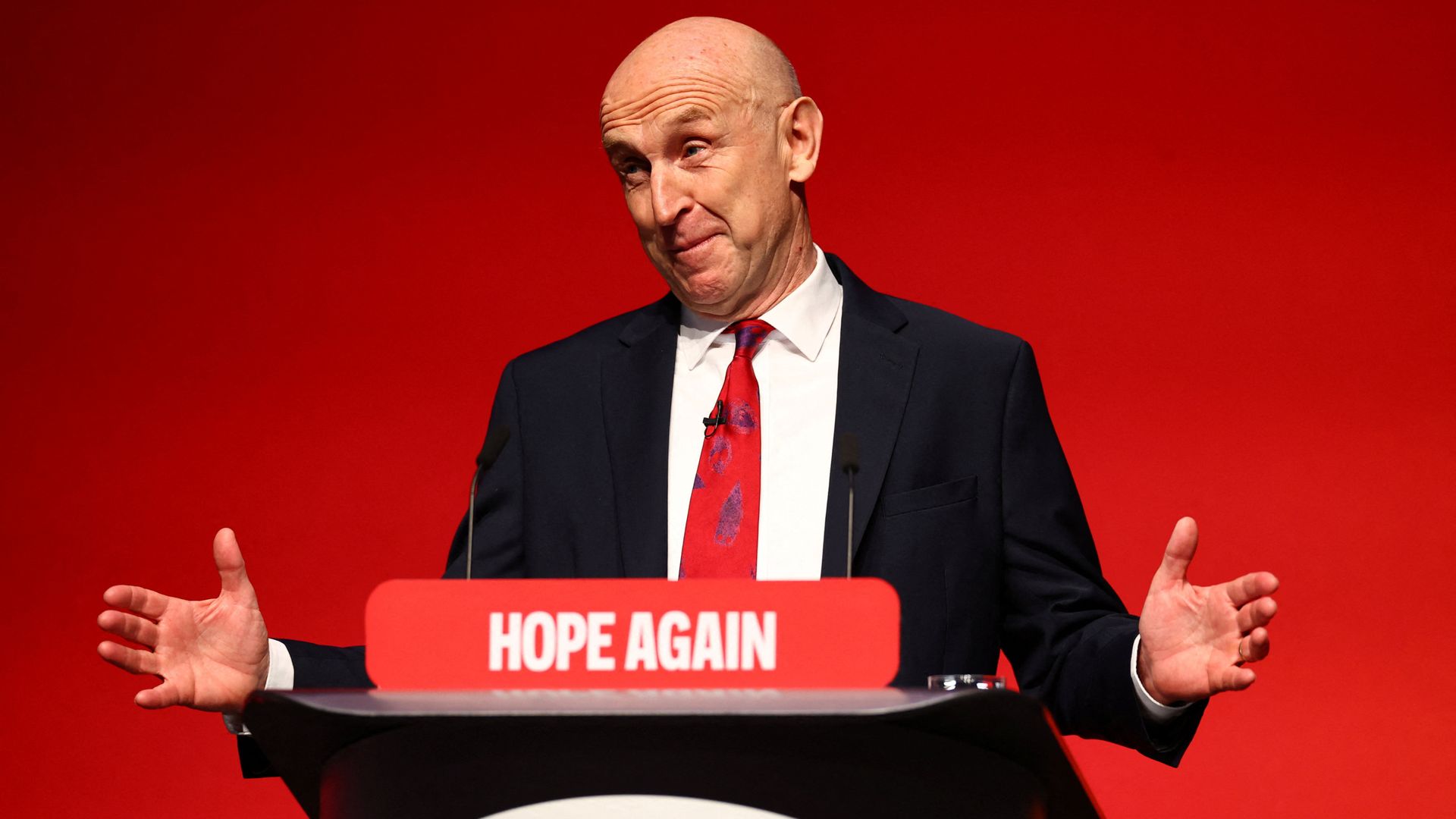
The pre-budget summit convened by John Healey with UK bank chiefs represents a classic exercise in signaling theory under asymmetric information. When fiscal authorities summon commercial banking executives ahead of a major budget announcement, the interaction rarely involves collaborative policy co-creation. Instead, it functions as a regulatory boundary-setting exercise. The state attempts to extract voluntary concessions or manage market expectations regarding capital retention, lending velocity, and tax incidence, while financial institutions seek to protect return on equity and minimize structural balance sheet friction. Deconstructing this summit requires moving past political theater to analyze the core transmission channels between fiscal policy shifts and commercial banking strategy.
The Tripartite Friction Matrix
The intersection of sovereign fiscal consolidation and private banking operations creates three distinct structural tensions. Understanding how banks navigate these vectors explains the strategic posture of major financial institutions during pre-budget negotiations.
The primary tension involves capital adequacy versus systemic credit velocity. Treasury demands for economic stimulus often conflict directly with prudential capital requirements imposed by regulatory frameworks. When fiscal authorities signal potential tax adjustments on corporate profits or banking liabilities, lenders respond by adjusting their risk-weighted asset models. This defensive posture constrains the supply of credit to small and medium enterprises, offsetting the intended expansionary effects of fiscal policy.
The second friction centers on the yield curve and sovereign debt absorption. UK banking institutions hold substantial portfolios of government securities for liquidity management and regulatory compliance. Fiscal announcements that alter debt issuance projections immediately impact bond valuations. A pre-budget summit serves as an informal mechanism for the state to gauge primary dealer appetite and ensure domestic financial institutions absorb upcoming gilt issuances without destabilizing secondary market liquidity.
The third friction involves operational cost pass-through and structural profitability. Banks operate under strict return hurdles dictated by institutional investors. When fiscal policy introduces levy adjustments, windfall taxes, or compliance mandates, institutions must choose whether to absorb the margin compression, pass the cost to retail and commercial borrowers through wider lending spreads, or reduce operating expenditure through automation and footprint rationalization.
Transmission Channels of Pre-Budget Pressure
Informal summits exert influence through signaling rather than statutory mandates. Financial institutions maintain continuous dialogue with regulatory bodies, but executive-level gatherings introduce direct political accountability.
Fiscal Policy Signal
    --> Balance Sheet Assessment
    --> Risk-Weighted Asset Adjustment
    --> Credit Supply Contraction or Expansion
When government officials articulate fiscal priorities behind closed doors, banking executives update their internal risk parameters. If the prevailing signal indicates heightened taxation on banking sector liabilities or excess returns, risk committees adjust pricing models across commercial lending desks. The transmission mechanism operates via anticipated margin compression, leading to preemptive defensive positioning before legislative changes are codified in the budget.
This dynamic creates a strategic paradox for the state. By attempting to extract financial commitments or signal fiscal intentions, the administration risks triggering the exact behavioral response it seeks to avoid. Lenders tighten underwriting standards to preserve capital buffers, inducing a localized credit slowdown that dampens macroeconomic growth independent of direct legislative action.
Strategic Balance Sheet Adjustments
Commercial banks respond to fiscal uncertainty through specific capital management levers. Rather than altering long-term strategic direction based on preliminary political signaling, institutions deploy tactical adjustments designed to preserve optionality.
Capital preservation takes precedence during periods of fiscal ambiguity. Institutions increase liquidity buffers held at the central bank rather than deploying capital into higher-yielding, longer-duration corporate lending facilities. This behavior minimizes regulatory capital volatility and protects the institution against unexpected regulatory interventions or retrospective tax adjustments.
Simultaneously, pricing structures undergo recalibration. Loan origination desks incorporate a higher risk premium to account for potential regulatory shocks. This structural shift alters the cost of capital for corporate borrowers, demonstrating that pre-budget signaling exerts a tangible economic drag long before fiscal measures receive parliamentary approval.
Structural Forecasting for Banking Strategy
Navigating pre-budget fiscal pressure requires financial institutions to decouple political rhetoric from balance sheet reality. The primary analytical objective for bank strategy teams is to quantify the probability-weighted impact of prospective fiscal interventions on net interest margins and return on tangible equity.
Institutions that successfully insulate themselves from pre-budget volatility maintain dynamic pricing models capable of absorbing regulatory cost shifts without sacrificing market share in core lending segments. The long-term equilibrium between the state and the commercial banking sector depends on transparent risk pricing rather than informal pre-budget negotiations. As fiscal constraints tighten, the division between public policy objectives and private capital discipline will remain defined by regulatory boundaries rather than voluntary political alignment.

