The media elite are losing their minds over press bans. When the administration locks out certain outlets, the conventional narrative shrieks about the death of democracy and the silencing of the watchdog.
That take is lazy, self-serving, and completely detached from how media access actually operates in Washington.
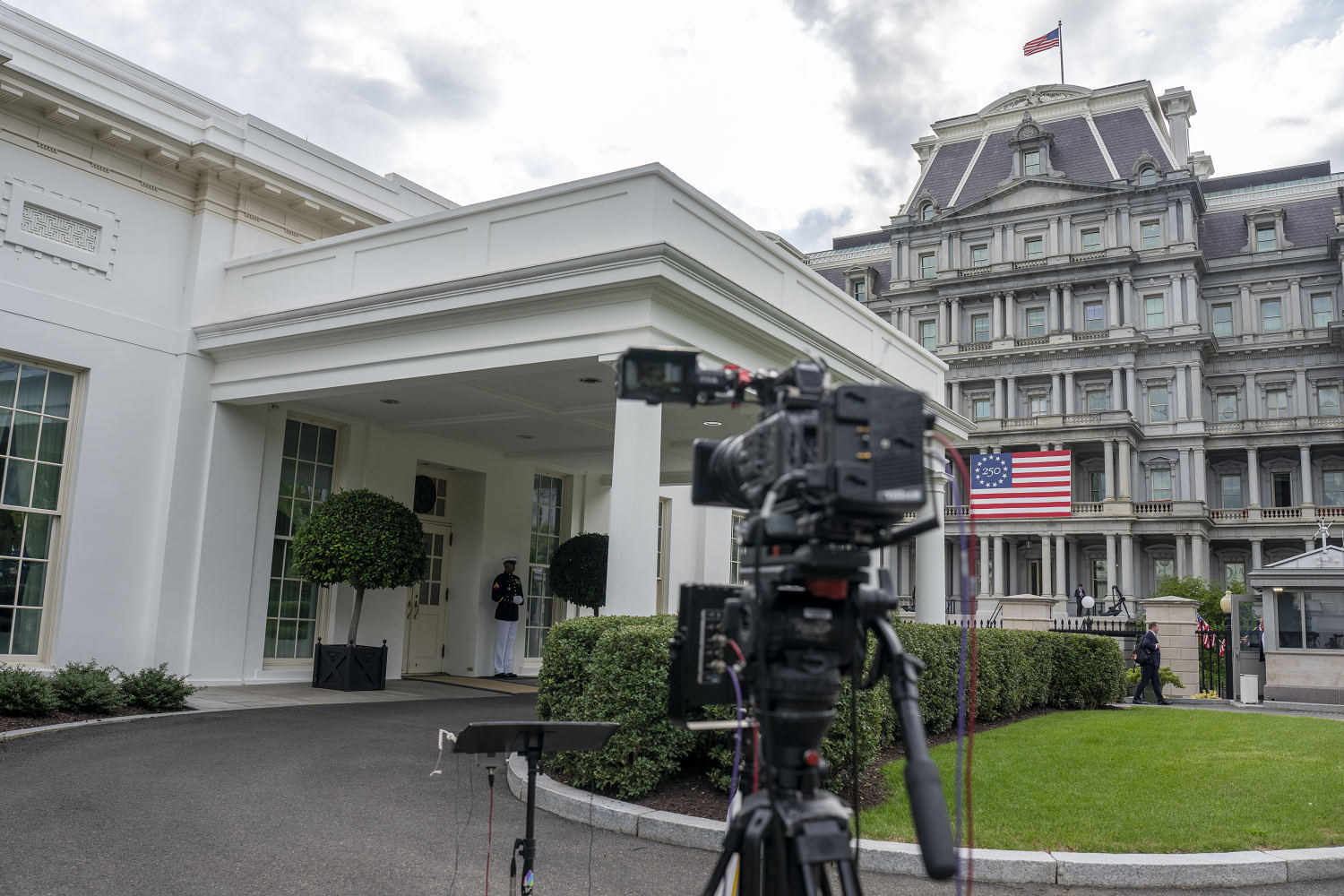
For decades, the White House briefing room has not been a bastion of truth-seeking. It has been a high-status corporate marketing floor. Networks trade sycophancy for seating charts, swapping tough questions for exclusive clips and early leaks. When a presidential administration pulls credentials from major outlets, the shockwave is not a crisis for the public. It is an overdue demolition of a broken cartel.
Strip away the hand-wringing about constitutional norms, and look at the incentives. The symbiotic relationship between the executive branch and traditional beat reporters has produced stenography, not scrutiny. Reporters sit under chandeliers waiting to be called on, terrified of losing their hard passes, asking questions engineered to generate viral thirty-second clips for evening broadcasts rather than holding power accountable.
When you remove the pass, you remove the tether.
The traditional argument assumes that physical presence inside 1650 Pennsylvania Avenue equals high-impact journalism. History proves the exact opposite. Some of the most devastating reporting on executive power has come from investigative desks operating thousands of miles away from the briefing room, free from the institutional capture that infects the daily press pool. Proximity breeds compliance. When journalists spend all day rubbing elbows with staffers in the West Wing, they start adopting the administration's framing, priorities, and blind spots.
Let us look at how information actually flows. The daily press briefing is rarely a venue for hard news. It is theater. It is a daily sparring match where press secretaries filibuster and reporters perform indignation for their home audiences. By locking out specific legacy networks, the administration is not cutting off the flow of vital governance data; it is altering the theatrical cast.
Of course, the counter-argument arrives swiftly: what about transparency? What about the public right to know?
That argument collapses under the weight of how legacy outlets have treated transparency. For years, the major networks granted prime-time platforms to officials peddling unverified talking points, protected institutional failures, and ignored structural policy shifts in favor of gotcha moments. The public right to know was already being compromised from the inside by reporters who prioritized access over antagonism.
A credentialed seat in the White House briefing room is a corporate asset, not a constitutional right. When a network loses that asset, the immediate reaction is financial panic masked as civic panic. Advertising rates depend on being in the room. Ratings depend on the drama of exclusion.
Imagine a scenario where every major network is banned from the grounds for six months. Newsrooms would be forced to reallocate capital away from stenography and back into field reporting, document analysis, and deep-dive investigations. They would have to talk to whistleblowers, analyze regulatory filings, and track capital flows instead of waiting for a handout in the press bullpen.
The best journalism happens when reporters stop taking notes from power and start taking subpoenas to it.
If this ban forces the media to abandon its addiction to proximity, it might just save the profession. Stop crying over the loss of a press pass. Start demanding reporting that doesn't require an invitation to the room.