A Doorbell Rings on a Quiet Tuesday
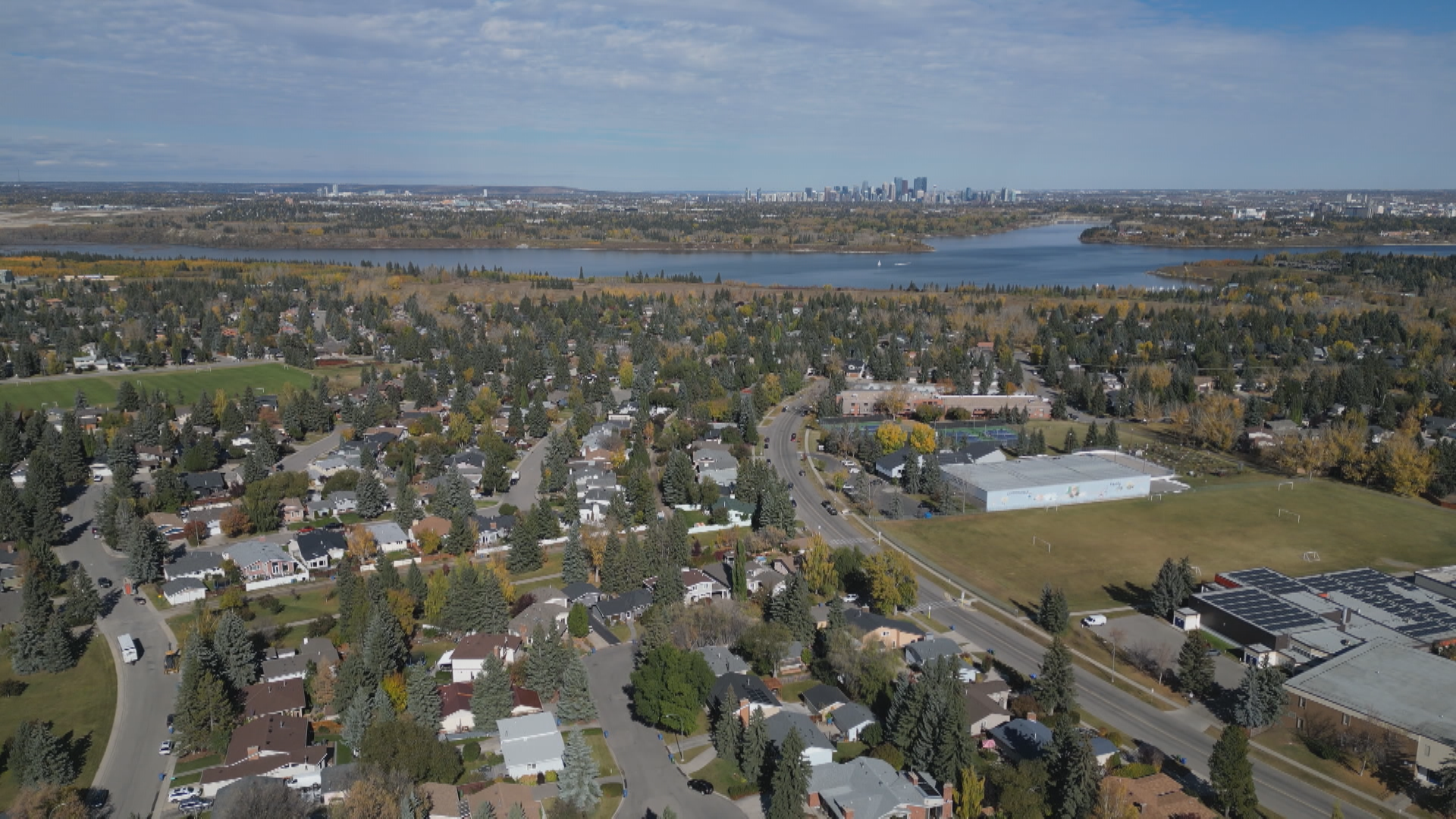
Consider a simple wooden door on a quiet street in Calgary.
Behind it sits Sarah, a retired teacher who bought her bungalow thirty years ago when the neighbourhood smelled of wet spring grass and fresh pine. For three decades, her street was predictable. The trees grew taller, the cars changed shape, but the quiet rhythm of low-rise homes remained unshakable. If you found value in this piece, you might want to check out: this related article.
Then came the debate that split the city in two.
When city hall proposed blanket rezoning across Calgary, allowing higher-density housing like rowhouses and duplexes in traditional single-family neighbourhoods, the reaction was immediate. Proponents pointed to a crushing housing shortage, skyrocketing rents, and young families priced out of the city they grew up in. Opponents saw their life savings, tied up in the quiet character of their properties, potentially upended overnight. For another look on this development, refer to the recent update from USA Today.
Now, city council finds itself back at the table, wrestling with a motion to repeal the citywide rezoning while debating whether certain communities deserve explicit exemptions.
It is not just a disagreement over land use. It is a war over the definition of home.
The Weight of Wood and Mortar
Land zoning sounds dry. It feels like administrative red tape, buried deep beneath municipal bylaws and bureaucratic jargon.
It is easy to forget that zoning dictates where your children play, how much sunlight hits your garden at five in the afternoon, and whether a young nurse working double shifts can afford a roof over her head within thirty minutes of the hospital.
Hypothetically, picture two people sitting on opposite ends of the council chamber gallery.
On the left sits Mark, twenty-eight, working two jobs, watching his savings shrink against rising rents. To Mark, blanket rezoning is a lifeline. It means more townhomes, more supply, and a genuine chance to stay in the city he loves.
On the right sits Sarah. To her, blanket rezoning feels like a breach of contract. She bought into a specific neighborhood density with specific rules, and removing those guardrails feels like removing the foundation beneath her feet.
Both arguments stem from a place of deep human vulnerability. Neither side is acting out of malice. Both are trying to protect their survival in a rapidly changing city.
The Trap of Absolute Answers
Cities are living organisms. They grow, contract, shift, and strain under the weight of economics and migration.
When council pushed forward with citywide rezoning, the intention was clear: address an urgent housing crisis with a broad, decisive stroke. But broad strokes often create deep smudges in intricate places.
Specific communities faced unique topographical, infrastructural, or historical challenges. A blanket rule applied to a century-old district with narrow alleyways and fragile utility lines operates very differently than when applied to a modern suburb built with high-density infrastructure in mind.
So the pushback began. Petitions circulated. Public hearings stretched into long, exhausting nights where hundreds of residents lined up to speak for three minutes at a time. The emotion in the chamber was raw, filled with tears, frustration, and fierce community pride.
Now, council sits in a complex middle ground. Do they repeal the blanket policy entirely? Do they grant targeted exemptions for specific neighbourhoods? Or do they risk creating a patchy, unequal mosaic where only the loudest communities win protections?
What Exemption Really Means
Granting an exemption to one neighbourhood sounds simple on paper. In practice, it sets off a domino effect.
If Neighbourhood A receives an exemption because of historical preservation or parking constraints, Neighbourhood B immediately asks why its own constraints do not warrant the same relief. Equity in municipal governance vanishes the moment rules become bespoke for those who lobby hardest.
Yet, ignoring unique local context is equally dangerous. A rigid, unyielding policy that treats every block identically ignores the lived reality of those who inhabit them.
Council members are trapped between two competing truths:
- Calgary desperately needs diverse, accessible housing options to remain livable for the next generation.
- Citizens build their lives around stability, predictability, and local context.
When council debates exemptions, they are not merely haggling over map boundaries. They are deciding who bears the cost of growth and who gets to opt out of change.
The Invisible Stakes
Walk down any street undergoing transformation. You will see contractor trucks, wooden framing rising against the blue sky, and temporary orange fencing.
Change is uncomfortable. It disrupts patterns. But stasis brings its own quiet tragedy: dark windows in empty-nester homes, closing elementary schools due to dwindling youth populations, and long, grueling commutes for service workers forced to live on the distant fringes of the city.
The true challenge before city council is not deciding who wins or loses this vote. It is finding a way to balance the urgent need for new shelter with the fundamental human desire for stability.
As the debate drags late into the night, votes will be cast, motions amended, and compromises struck. The headlines tomorrow will summarize the outcome in numbers and policy codes.
Behind those numbers, Sarah will still look out her kitchen window at the changing skyline, and Mark will still scroll through rental listings, waiting to see if there is a place for him in the city's future.