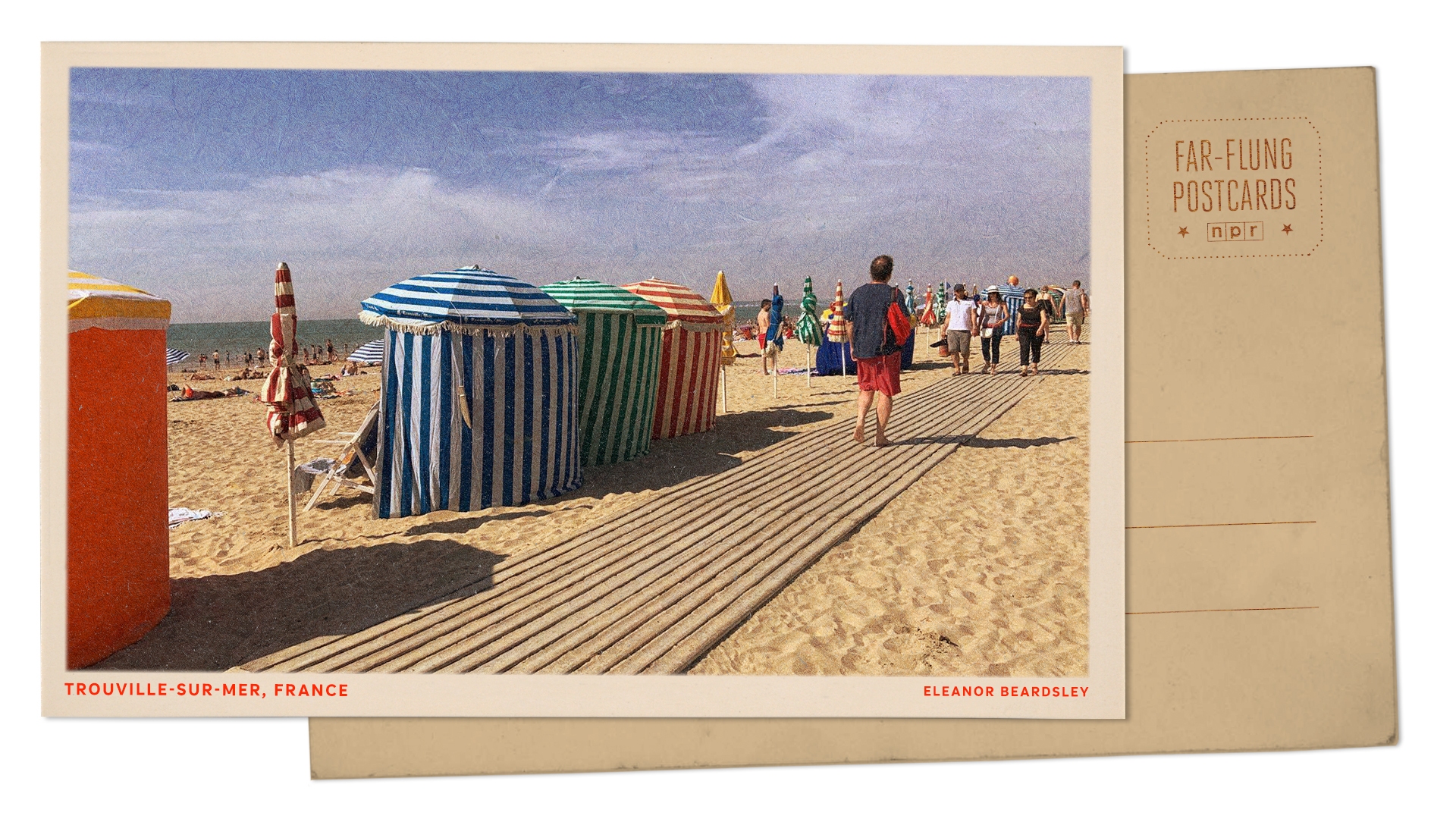
The water looks like spun glass. On a late afternoon along the Gironde coast of France, the Atlantic Ocean doesn't look angry. It looks inviting. The sun hangs low, casting a warm, honeyed glow over the sand dunes of Aquitaine, where the pine forests meet the salt spray. A 56-year-old tourist stands at the shoreline. The air is warm, the water cool against his ankles. He steps in. Then another step.
He is not looking for adventure. He is looking for a swim.
Ten minutes later, he is a statistic.
The French authorities call it a baïne. To the rest of the world, it is a rip current. But giving it a name does nothing to diminish its terrifying, silent mechanics. It is an invisible conveyor belt, a liquid trap door that waits for the unsuspecting on one of Europe’s most beautiful—and deceptive—coastlines. The recent tragedy involving the 56-year-old traveler, swept out to sea on a high-risk afternoon, is not an isolated mishap. It is a recurring nightmare.
To understand why this keeps happening, we have to abandon everything we think we know about the ocean.
The Illusion of Safety
Most people think danger looks like a monster wave. We are conditioned by movies to look for the crashing foam, the roaring surf, the dramatic wall of water.
The opposite is true.
A rip current is a bully dressed as a sanctuary. On a beach plagued by baïnes, the waves break heavily on either side of a specific channel. Inside that channel? The water is eerily calm. It looks like a swimming pool amidst the chaos. There are no breaking waves. The surface is flat, almost peaceful.
Imagine you are standing on the beach with your family. You see a stretch of water where the waves are crashing violently, tossing white foam into the air. A few yards away, you see a gap in the surf. A quiet lane of deep, dark water. Where do you walk into the sea?
You choose the quiet lane. Everyone does.
But that quiet lane is actually a drainage ditch for the ocean. All the water being pushed onto the beach by those crashing waves has to go somewhere. It finds the path of least resistance. It carves a deep trench in the sandbank and rushes back out to the open sea through that narrow gap with the force of a river.
When you step into that calm water, you aren't stepping into safety. You are stepping onto a treadmill moving at five miles per hour. No Olympic swimmer can outrun that. You certainly can’t.
The Chemistry of Panic
Let’s trace what happens in the human mind when the trap springs.
You are swimming, enjoying the cool Atlantic water, when you look back at the beach. The colorful umbrellas look smaller than they did a moment ago. Your towel, left on the sand, is sliding away to the left.
You try to swim back toward the shore. You kick harder. You stroke with more intent. But when you look up again, the beach is even further away.
This is the exact moment the adrenaline hits.
Your brain enters a state of primal emergency. The heart rate spikes. Breathing becomes shallow and erratic. The natural human instinct when being pulled away from safety is to fight back with everything you have. You swim directly against the current, pouring every ounce of energy into a head-on battle with the Atlantic Ocean.
Within two minutes, your muscles are burning with lactic acid. Within four, your lungs feel like they are on fire. You are exhausted, gasping for air, and you have moved fifty yards further out into the deep blue.
This is how the ocean wins. It doesn't drown you with brute force; it tricks you into drowning yourself through sheer exhaustion. The 56-year-old tourist who lost his life on the French coast wasn't pulled under by a sea monster. He was likely defeated by his own survival instinct.
The Anatomy of the Aquitaine Coast
The southwestern coast of France is unique. It stretches for hundreds of miles, a massive sandbox bordered by the untamed Atlantic. It is a paradise for surfers and sun-seekers alike. But its geology makes it a factory for rip currents.
The tides here are massive. The water rises and falls with a dramatic variance every single day. As the tide recedes, it leaves behind temporary lagoons—the baïnes. When the tide rushes back in, it overflows these sand-banked pools. The water pools, builds pressure, and then breaches the sandbar, rushing outward through a narrow channel.
On the day of the recent fatality, French meteorological and rescue agencies had issued a high-risk warning for the entire regional coastline. The indicators were clear to the experts: a combination of specific swell sizes, tidal movements, and wind patterns meant the baïnes would be functioning like high-powered vacuums.
Yet, to the untrained eye, it just looked like a gorgeous day at the beach.
Here lies the disconnect. A warning on a website or a flag on a distant lifeguard tower doesn't register when the sensory input from your environment says everything is fine. We trust our eyes more than we trust the signs.
The Counter-Intuitive Art of Survival
Surviving a rip current requires you to do something that feels entirely wrong. It requires you to surrender.
If you are caught in a baïne, the golden rule is simple, yet agonizingly difficult to execute: stop swimming against it.
Consider the mechanics of the current. It is not a bottomless whirlpool. It will not drag you to the ocean floor. It is simply a horizontal current moving away from the sand. It is also narrow. A typical rip current is rarely more than thirty or forty yards wide.
Instead of swimming toward the shore, you must swim parallel to it. You swim along the beach, not toward it.
By moving sideways, you step off the treadmill. You move out of the narrow channel of rushing water and back into the area where the waves are actively breaking. Once you are out of the current, the very waves you initially avoided will actually help push you back toward the shallow sandbars.
And if you are too tired to swim parallel? You float.
You flip onto your back, puff out your chest, and let the current take you. It will eventually lose its power as it reaches deeper water. It will drop you off. Once the ride stops, you can catch your breath, raise your hand for assistance, or slowly make your way back around the edges of the pull.
But doing nothing while being carried into the vast emptiness of the ocean requires a terrifying level of mental discipline. It requires you to suppress the screaming voice in your head that commands you to fight.
The Unseen Vigil
On any given summer afternoon, French lifeguards—the Nageurs Sauveteurs—stand on their elevated chairs, scanning the horizon. Their eyes don't wander. They look for the tells: a line of seaweed moving rapidly out to sea, a patch of discolored, sandy water being churned up and pushed offshore, or that deceptive, eerie calm where the waves refuse to break.
They pull thousands of people from these waters every year. Most of those rescues never make the news. They are quick, quiet interventions—a lifeguard paddling out on a surfboard, grabbing a tired tourist before the panic sets in, and bringing them back to dry land.
But they cannot be everywhere. The French coast is vast, wild, and largely unmonitored outside of designated resort zones. Step fifty yards outside the yellow flags, and you are entirely on your own.
The ocean has no malice. It doesn't care about your vacation plans, your age, or the family waiting for you on the sand. It operates on pure physics, a blind system of pressures and channels moving water from point A to point B.
The tragedy on the French coast is a reminder that nature doesn't need to look angry to be lethal. The most dangerous places on earth often wear the face of absolute peace.
The next time you stand on a sun-drenched beach in France, or anywhere else where the surf meets the sand, look closely at the water. Don't look for the beauty. Look for the spaces between the waves. Look for the calm.
That is where the ocean is hiding its teeth.