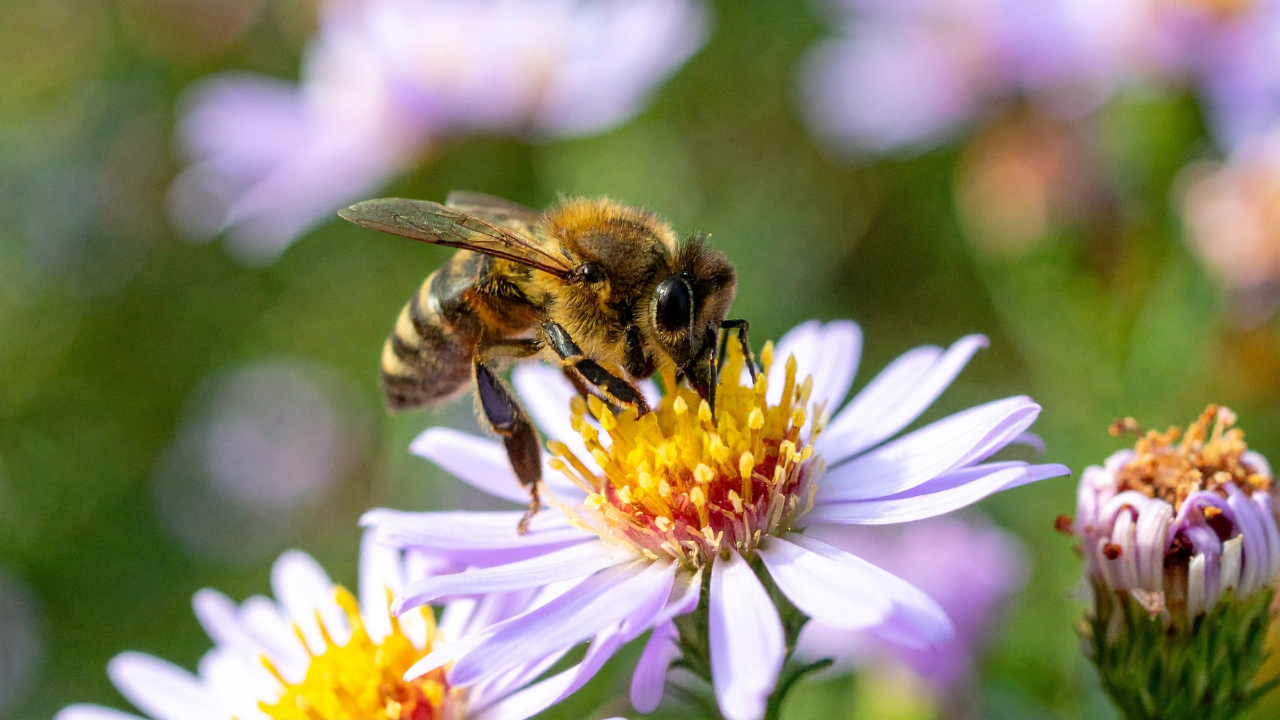
Environmental advocates love a simple hero-and-villain story. In their preferred script, neonicotinoids are the chemical villains, bees are the innocent victims, and France’s temporary return to sugar beet crop protection in late 2020 was a catastrophic defeat for science.
It is a tidy narrative. It makes for compelling outrage. It is also fundamentally wrong.
The emotional debate surrounding France permitting emergency exemptions for neonicotinoids on sugar beet crops exposed a massive logic gap in agricultural policy. Mainstream coverage framed the policy shift as a craven surrender to agrochemical lobbyists. The truth is far more uncomfortable: complete, dogmatic bans on targeted crop protections often produce worse environmental and economic outcomes than the controlled usage they seek to eliminate.
The Lazy Consensus on Neonicotinoids
The common argument against neonicotinoid exemptions rests on a single premise: ban the chemical, save the bees, end of story.
This framing ignores basic ecological realities and crop economics. In 2020, French sugar beet growers faced an existential threat from beet yellows virus, carried by green peach aphids. Yields plummeted by up to 50% in affected regions. Without systemic seed treatments like imidacloprid or thiamethoxam applied directly to seeds before planting, farmers had two options: abandon their farms or spray broad-spectrum pyrethroid insecticides over entire fields multiple times a season.
This is the trade-off activist groups refuse to address.
When you ban targeted seed treatments, farmers do not suddenly switch to organic fairy dust. They fall back on older, less precise chemical tools. Instead of placing micro-doses directly in the ground where only sap-sucking pests target the young shoots, growers end up dusting thousands of hectares with foliage sprays.
Imagine choosing between a targeted antibiotic and a general nuclear option that wipes out every microbial colony in sight. Banning neonicotinoid seed coatings on a non-flowering crop like sugar beets forced growers into the general nuclear option.
Sugar Beets Do Not Flower
Here is the technical reality the outrage industry convenient leaves out: sugar beets are harvested in their first year of growth before they ever produce flowers.
Bees visit flowers to collect pollen and nectar. They do not forage on non-flowering green foliage of immature sugar beets.
To conflate the risk of neonicotinoid usage on flowering, pollinator-heavy crops like canola or sunflowers with its application on sugar beets is intellectually dishonest. While dust drift during sowing and soil residues require strict management, the direct exposure path for foraging bees on a beet field is practically zero.
By failing to differentiate between crop types, regulators created a policy that traded a non-existent direct risk to bees in beet fields for guaranteed, widespread aphid outbreaks that shattered an industry.
The Economic Cost of Pure Morality
I have watched agricultural boards and policy teams burn through millions attempting to satisfy idealistic regulatory mandates that ignore supply chain mechanics. When France banned these substances outright, the domestic sugar beet industry was crippled.
What happened next? France did not stop consuming sugar.
Instead, supply chains shifted to import sugar from countries with zero ban on neonicotinoids and far weaker environmental oversight. Banning domestic production simply offshored the environmental footprint to places where regulators look the other way.
Offshoring environmental harm to feel morally pure at home is not ecological leadership. It is hypocrisy.
| Strategy | Primary Application Method | Direct Exposure to Pollinators | Impact on Crop Yield | Secondary Environmental Effects |
|---|---|---|---|---|
| Systemic Seed Treatment | Precise coating directly on seed underground | Extremely low in non-flowering crops | High preservation against viral vectors | Targeted, minimal drift |
| Foliar Pyrethroid Sprays | Repeated aerial or tractor-led spraying over canopy | High (hits all insect life present) | Moderate to poor (resisted by aphids) | Broad mortality of beneficial insects |
| Complete Chemical Ban | Non-chemical crop rotation / physical barriers | Zero | Devastating (30-50% loss in outbreak years) | Massive increase in land use required to match output |
The Flaw in "People Also Ask" Assumptions
When users search online about pesticide bans, they fall into loaded questions shaped by poor media coverage.
"Why did France bring back bee-killing chemicals?"
The question assumes the decision was made out of apathy toward ecological safety. The reality: France authorized a temporary, highly regulated exemption because the alternative was the complete collapse of its domestic sugar sector and an immediate increase in broad-spectrum chemical spraying. It was a triage decision driven by data, not disregard.
"Are neonicotinoids the sole reason for bee population declines?"
No. Blaming a single chemical class for pollinator decline is lazy science. Colony Collapse Disorder and wild pollinator stress are driven by a complex web of factors: Varroa destructor mites, habitat loss, viral pathogens, climate volatility, and malnutrition caused by monoculture landscapes. Banning neonicotinoids without addressing habitat loss or parasitic diseases does virtually nothing to fix bee health metrics.
Precision Agriculture Over Dogmatic Bans
The solution is not a return to indiscriminate chemical reliance. That approach belongs in the 20th century.
However, total chemical prohibition based on blanket political bans rather than targeted risk management is equally destructive. True sustainability requires nuanced, integrated pest management (IPM).
- Crop-Specific Risk Assessment: Regulations must evaluate chemical exposure based on the specific crop lifecycle, not broad bans. Non-flowering crops present entirely different risk profiles than flowering ones.
- Targeted Exemptions with Strict Controls: Exemption protocols should be linked to real-time vector monitoring. If aphid populations pass a critical economic threshold, access to seed coatings should be granted under strict soil-testing conditions.
- Mandatory Refuge Strips: If synthetic treatments are permitted, farms must dedicate a percentage of land to high-density, flowering wildflower strips away from run-off zones to create genuine safe havens for wild pollinators.
The contrarian position has a clear downside: it is politically unpopular. It requires explaining complex ecological trade-offs to a public accustomed to black-and-white soundbites. It means accepting that modern agriculture involves managing calculated risks rather than pretending we can feed eight billion people on zero-intervention farming without converting every remaining rainforest into low-yield agricultural land.
Stop evaluating environmental policy by its intentions. Start evaluating it by its real-world results.