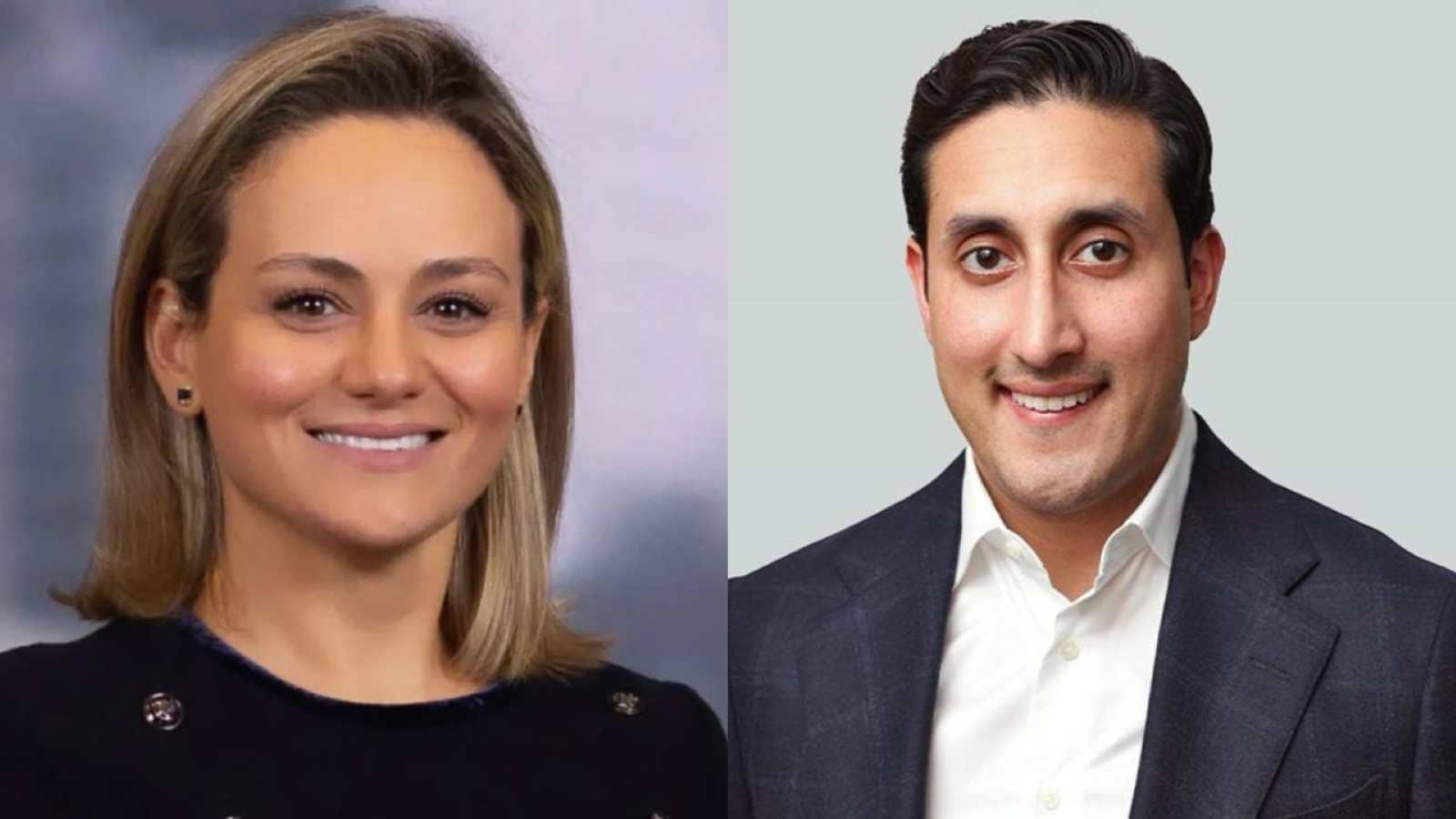
The annual pilgrimage to Omaha is about to look very different. For six decades, Warren Buffett was the sun around which the Berkshire Hathaway solar system rotated. Now, as we hit May 2026, the sun has technically set on his CEO tenure. Greg Abel is the man in the hot seat, and he's walking into his first annual meeting as CEO with a stock price that's been doing a whole lot of nothing while the rest of the market hunts for new highs.
Investors are jittery. It's not just about the missing wit of Buffett or the late Charlie Munger. It's about a staggering $373 billion cash pile that feels like a weight rather than a weapon. You're probably wondering if the "Woodstock for Capitalists" is about to become a wake for the old way of doing things. Honestly, it's not. But it is the start of a much more "boring" and operationally intense era that might actually be what the company needs. Also making waves in related news: The Brutal Reality of Building an AI Business in Forty Eight Hours.
The Reality of the Berkshire Slump
Berkshire shares haven't been the rocket ships people expect. In the final stretch of 2025 and into early 2026, the stock basically mimicked a flatline while the S&P 500 kept chugging along. Why? Because the market hates a vacuum.
Buffett hasn't vanished—he’s still Executive Chairman—but the "Buffett Premium" is evaporating. People used to pay extra just to be in the same boat as the Oracle. With Abel at the helm, that premium is being replaced by cold, hard math. The math shows operating earnings fell about 6% in 2025. Insurance has been a slog. Geico is facing pricing pressures that won't go away just because we want them to. Additional insights regarding the matter are detailed by The Economist.
If you're holding BRK.B right now, you're not holding it for a 20% pop next month. You're holding it because you think Greg Abel is a better "operations guy" than Buffett ever was. Buffett was the architect; Abel is the foreman. He’s already started "buttoning things up," hiring the company’s first internal legal counsel and reshuffling leadership at NetJets to oversee the consumer units.
Can Greg Abel Actually Lead a Crowd
The biggest question for this weekend isn't about a specific stock pick. It's about whether Abel can command the room. Buffett didn't just give investment advice; he gave a philosophy. Abel is an accountant by trade. He's precise, he’s disciplined, and he’s—let’s be real—a bit dry.
Shareholders are used to four hours of zingers and life lessons. If Abel spends three hours talking about utility regulatory frameworks in Iowa, the "enthusiasm" the headlines worry about will definitely crater. But here’s the thing: institutional investors don't care about jokes. They care about that $373 billion.
"Abel has a big task... convincing a changing shareholder base to stick around for the company's next act."
Abel needs to prove he isn't just a placeholder. He’s already signaled he’ll keep the concentrated portfolio—Apple, American Express, Coca-Cola—but he’s also shown he’s more willing to pull the trigger on "smaller" $10 billion deals like the Occidental chemicals unit.
The Elephant in the Room is Made of Cash
You can't talk about Berkshire without talking about the hoard. $373.1 billion is enough to buy almost any company on earth outright. Yet, Abel hasn't touched the buyback button in over six quarters.
- The Problem: The stock isn't "cheap" enough by the old Buffett standards.
- The Pressure: New investors want dividends. They want action. They’re tired of seeing billions sit in Treasury bills earning 4-5% while tech stocks double.
- The Abel Approach: He’s already told us the cash isn't a "retreat." He’s waiting for a market meltdown.
If the market takes a dive in late 2026, Abel will be the only guy in the world with a "Buy Everything" button that actually works. That's the insurance policy you're buying when you own Berkshire.
What to Watch for This Weekend
Don't get distracted by the See’s Candies booths or the Brooks running shoes. If you want to know if Berkshire is still a "buy" under Abel, look for three specific things during the Q&A:
- Capital Allocation Authority: Does Abel sound like he’s asking Buffett for permission, or is he the one making the final call on the stock portfolio? He’s supposed to have "final say," but the proof is in the tone.
- Insurance Turnaround: Ajit Jain will be there. Pay attention to how they talk about the deceleration in insurance pricing. If they’re retreating from growth to protect margins, it’s a sign of a long, slow recovery.
- The Todd Combs Gap: With Combs gone, the "public" side of the portfolio is thinner. Is Abel going to consolidate more, or will he look for new blood to manage the smaller slices?
The era of the "celebrity CEO" at Berkshire is over. It’s being replaced by a massive, decentralized industrial machine. It won't be as fun to watch on CNBC, but if Abel can fix the operational leaks in the utility and insurance businesses, the stock won't need Buffett's "magic" to beat the market.
If you’re looking for a quick flip, you’re in the wrong stock. If you’re looking for the ultimate defensive play in a volatile 2026, keep your eyes on how Abel handles the "Woodstock" crowd. If he stays cool and focuses on the boring stuff, that’s your signal to stay the course. Watch the livestream, skip the hype, and check the book value per share. That’s the only number that has ever really mattered in Omaha.