Silence.
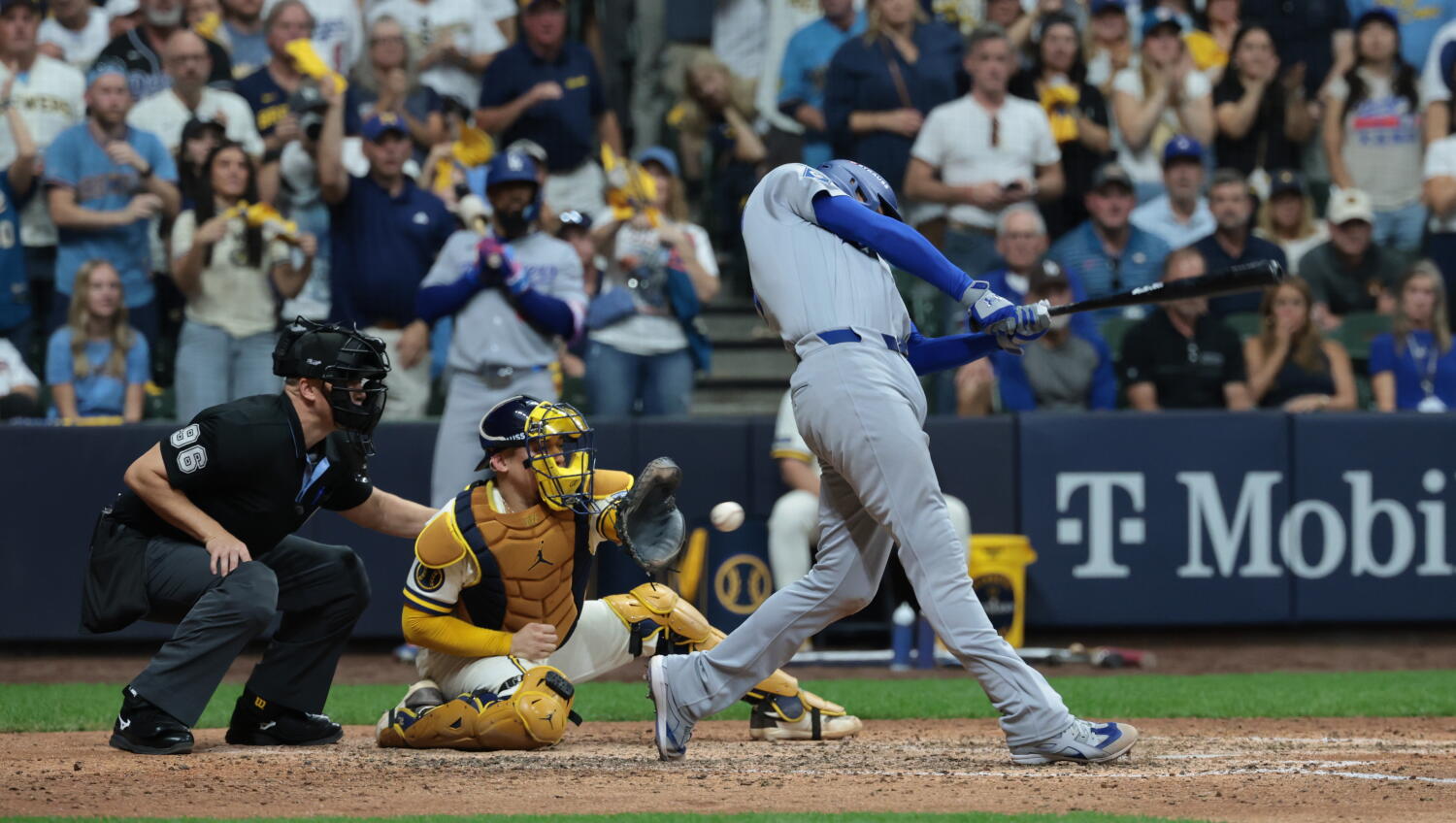
That is the strangest sound inside a packed October ballpark when fifty thousand people are holding their breath and a ninety-eight-mile-an-hour fastball snaps across the top of the strike zone for a called third strike. For six months, baseball is a marathon of averages, spreadsheets, and patient accumulation. In the National League Championship Series, the clock speeds up until every pitch feels like a coin toss with your season on the line. And right there, in the seventh inning when the starters are gone and the margin for error shrinks to the width of a seam, a truth surfaces that no luxury tax bill can erase: the Dodgers are seeing what money can't buy in a bullpen such as Milwaukee's.
I have stood behind the batting cage in late September and watched veterans stare at a pitching board like it was written in ancient Greek. You smell stale sunflower shells, damp wool, and the sharp tang of pine tar warming up in the afternoon sun. You hear the rhythmic thwack of leather hitting leather and the low murmur of coaches talking about matchups that won't exist in three weeks. At that point in the calendar, everyone thinks they know what wins in October. Usually, they point to the lineup with the biggest bats or the rotation with the loudest names.
Then October arrives, and the game stops caring about how much your front office spent in December.
The Illusion of Infinite Buying Power
Nobody builds a juggernaut like the Los Angeles Dodgers by accident. When a franchise commits historic sums to generational stars, front-line starters, and deep roster depth, it sends a message across the sport: we intend to control variance. You buy superstars so that on nights when a plan goes sideways, raw talent can drag you across the finish line.
And on paper, that logic works remarkably well over one hundred and sixty-two games. If your offense scores six runs a night and your rotation averages five and two-thirds innings of sharp work, you can absorb a shaky seventh inning in June. You can patch a middle-relief hole with a trade-deadline rental or let a young arm learn on the job while the division lead cushions the blow.
October strips away that cushion.
In a seven-game series against a disciplined opponent, every inning has teeth. A starter who usually cruises through six might hit a wall in the fourth because a hitter fouls off seven pitches and drives his count past eighty. Suddenly, the manager is reaching for the phone in the dugout—not because the plan failed, but because October baseball is a pressure cooker that bends every schedule.
When the Dodgers look across the diamond at a bullpen constructed the way Milwaukee builds hers, the contrast isn't just about velocity or spin rates. It is about identity. A mega-payroll can acquire elite arms, big-name closers, and proven veterans. What it cannot simply purchase off a shelf is a collective ecosystem forged over years of tight margins, role clarity, and shared survival.
Let me use a metaphor here to make the contrast concrete: think of a mega-budget blockbuster movie versus a tight-knit repertory theater troupe. The blockbuster has A-list stars, towering sets, and explosive moments that thrill any crowd. The repertory troupe works with a smaller budget, yet the actors know each other's breathing, timing, and micro-expressions so well they can improvise through a blown cue without the audience ever noticing. Both can move a room. When the script gets messy in the third act, chemistry often beats star power.
Inside the Seventh-Inning Crucible
To feel what happens inside a high-stakes NLCS bullpen, let's walk through a hypothetical scenario—clearly marked as fiction, though modeled directly on the real tactical realities of October baseball.
Picture a left-handed reliever—let's call him Danny—sitting on a cold bench behind the left-field wall in Milwaukee or Los Angeles. The game is tied at three in the top of the seventh. Two runners are on base, one out, and a right-handed power hitter is stepping into the box. Danny has thrown eighteen pitches warming up in the pen. His left forearm feels tight at the edges, the way it always does when adrenaline hits faster than blood flow. The bullpen phone rings. The coach listens, nods once, and says, "You've got him. Keep the ball down."
Danny jogs through the gate. Forty-five thousand voices swell into a wall of sound that vibrates in his ribs. He doesn't have time to ease into the inning. He doesn't get a clean slate with bases empty. His first pitch is a live grenade in a crowded room.
That is the hidden weight of relief pitching in the NLCS. A starting pitcher lives inside a rhythm—warm up, throw six pitches, sit for ten minutes, go back out, repeat. A reliever lives inside interruptions. You sit for two hours watching your body cool down, then sprint to the mound with your heart hammering at one hundred and seventy beats per minute and try to thread a slider two inches off the black.
Now compare how two organizations prepare Danny for that moment.
In a franchise built on star accumulation, the bullpen can sometimes feel like a collection of individuals waiting for their specific lane—the seventh-inning guy, the eighth-inning guy, the ninth-inning guy. When injuries hit or a starter exits early, those lanes blur, and pitchers are asked to step into unfamiliar territory under blinding lights.
In a system like Milwaukee's, flexibility isn't an emergency measure; it is the baseline. Pitchers are developed and deployed with a mindset of adaptability. One night a right-hander attacks the top of the zone for four outs; the next night he enters with two on and throws back-to-back changeups to a lefty. There is less ego attached to titles and more ownership of the moment.
I'll admit something honestly: even after years of watching postseason baseball up close, bullpen usage still surprises me. Sometimes a manager pulls a deal after five strong innings and my stomach drops, wondering if they're getting too clever. Other times they ride a tired arm a hitter too long and watch a lead evaporate in three swings. October makes geniuses look reckless and makes careful plans look fragile. Nobody has solved it completely, and anyone who claims otherwise is selling a story after the fact.
Why Small-Market Necessity Breeds October Edge
Why does a club like the Brewers so often produce pitching depth that punches way above its payroll weight?
Necessity is a relentless teacher. When you cannot simply outspend every rival for top-of-the-market free agents every winter, your scouting, pitching development, and roster construction have to work in lockstep. You look for pitchers with an elite pitch shape or an unusual release angle that other teams overlooked. You teach command before chasing raw radar-gun numbers. You value versatility so every spot on the twenty-six-man roster carries multiple uses.
Over time, a culture takes root. Young arms arrive in the clubhouse and see veteran relievers preparing with quiet intensity—studying hitters' swing paths on tablets, executing bunting drills without complaining, backing up bases like rookies. Standards enforce themselves because everyone sees how the machine runs.
When the NLCS begins, that culture doesn't suddenly turn average stuff into magic. Good hitters still hit good pitches. A hanging breaking ball still travels four hundred feet regardless of jersey color. What that culture does is keep a bullpen composed when chaos hits.
Think about what happens in a series when a team loses Game 2 in extra innings after using four relievers. Panic can creep into a clubhouse where expectations are measured in championships-or-bust dollars. Every mistake feels like a betrayal of the investment. By contrast, a group accustomed to grinding out tight games with unheralded arms tends to treat a tough loss as part of the weather. They turn the page faster because they've stood in the rain before.
But the real problem lies elsewhere...
Money still matters in baseball. Let's not pretend otherwise. Having deep pockets lets the Dodgers keep elite talent cycling through their roster year after year, absorb catastrophic injuries without collapsing, and put terrifying pressure on opposing pitchers from the first inning to the ninth. In a short series, having two or three transcendent players can swing a game in a single swing.
Yet the NLCS has a habit of exposing the gap between having talent and meshing talent. A bullpen isn't a spreadsheet of strikeout rates and earned run averages. It is a living chain of command. If one link hesitates, grips the ball too tightly, or loses conviction on a secondary pitch, the whole chain feels the jerk.
The Invisible Stakes Behind Every Pitch
Fans watching at home see a pitching change and reach for another drink or check their phones. Inside the stadium, every bullpen move carries invisible stakes that never show up on the broadcast graphic.
There is the physical toll. A reliever throwing ninety-seven miles per hour with high spin isn't just working against hitters; he is negotiating with his own ligaments. Every high-leverage appearance in October demands a little more from a shoulder or elbow that has already logged seventy appearances since spring. Players know this. Managers know this. Every time a skipper calls down to the pen in the sixth inning of an NLCS game, he is weighing today's scoreboard against tomorrow's arm health.
There is also the psychological toll of margin. In the regular season, if a reliever gives up a solo home run in the eighth inning of a game his team trails by three, nobody remembers it by Tuesday. In the NLCS, a single misplaced fastball in the seventh can define a player's winter. You carry that memory into the cage, into the weight room, into the offseason.
Consider what happens next:
When a team with a massive payroll faces a bullpen built on cohesion and sharp execution, the psychological pressure flips subtly. The big-spender is expected to win. Anything less feels like a flaw in the blueprint. Meanwhile, the underdog bullpen plays with a fierce, scrappy clarity: Nobody gave us the biggest checkbook, and nobody expects us to blink. That chip on the shoulder isn't a cliché when you've seen a five-foot-eleven sidearmer freeze a hundred-million-dollar slugger with a back-foot slider in a one-run game.
The Dodgers aren't failing to understand baseball when they run into a buzzsaw bullpen in October. Far from it. They are witnessing the sport's oldest paradox in high definition. You can buy almost anything in modern sports—elite analytics, top-tier facilities, generational superstars, and deep rosters. You can buy dominance over six months.
You cannot simply write a check for trust forged in fire over years of shared trenches.
What Lasts After the Final Out
When an NLCS series ends, the postgame press conferences fill up with talk about execution, pitch selection, and timely hitting. Players speak in measured tones, eyes bloodshot from late nights and adrenaline crashes, already looking ahead or staring quietly at the turf.
Long after the box scores fade, what lingers isn't a salary figure or a contract length. It is the image of a reliever walking off the mound after stranding the bases loaded—jaw clenched, chest heaving, tapping his glove against his thigh as the dugout erupts—knowing that for sixty feet and six inches, no bank account in the world could throw that pitch for him.