Lawsuits are the ultimate American and Canadian export. When tragedy strikes, we don't look for meaning; we look for a deep pocket. The recent litigation targeting OpenAI following a school shooting in Canada is the latest peak in a mountain of intellectual laziness. It is a desperate attempt to litigate away the complexities of the human psyche by blaming a sophisticated autocomplete engine.
The premise is simple: a chatbot provided information or "encouragement" to a disturbed individual, therefore the developers are liable. This logic isn't just flawed. It’s a category error that threatens to lobotomize the most significant tool of the century because we are too cowardly to address the failures of mental health systems and parental oversight.
The Tool is Not the Teacher
We’ve seen this script before. In the 1990s, it was Doom and Mortal Kombat. In the 2000s, it was Grand Theft Auto. Before that, it was heavy metal lyrics and Dungeons & Dragons. Every generation picks a new technological scapegoat to avoid looking at the mirror.
Large Language Models (LLMs) operate on probability, not intent. When a user prompts an AI with violent ideation, the model isn't "plotting." It is predicting the next token in a sequence based on a vast dataset of human writing. If the AI provides a dark response, it is reflecting the darkness already present in the human digital archive.
Suing OpenAI for a user’s violent actions is like suing the manufacturer of a dictionary because a kidnapper used it to cut out letters for a ransom note. The dictionary contains the words; the intent lives entirely within the user. To suggest otherwise is to grant AI a level of agency it simply does not possess, while simultaneously stripping humans of the very accountability that makes us sentient.
The Safety Paradox
The "lazy consensus" among the tech-illiterate public is that AI needs more "guardrails." They want a sanitized, lobotomized version of reality where the AI refuses to speak about anything remotely controversial.
Here is the truth: Hyper-sanitization makes AI more dangerous, not less.
When developers implement aggressive, opaque filters, they drive the most at-risk users toward "jailbroken" models or unaligned, open-source versions that operate in the digital shadows. By forcing AI to act as a moralizing nanny, we lose the ability to use these tools for intervention.
I have watched companies burn through millions of dollars trying to build the "perfectly ethical" model. It doesn't exist. You cannot code a universal morality into a mathematical weights-and-biases system. Every time you tighten the leash, you create a "Safety Paradox." The more a model is restricted from discussing "sensitive" topics, the less capable it becomes of providing helpful, nuanced information to those who might actually be seeking help.
The Liability Trap and the Death of Innovation
If the legal system decides that a software provider is responsible for the unpredictable output generated by a user’s prompt, the industry dies. Period.
Under the logic of these lawsuits, every search engine, every ISP, and every word processor would be liable for the content created through their services. We are moving toward a "Duty to Predict" standard that is technically impossible to meet.
$P(\text{violence} \mid \text{prompt})$ is a calculation that can never reach zero. In any system that allows for open-ended human input, the potential for "misuse" is 100%. If we hold developers to a standard of zero-risk, we ensure that only the most bland, useless, and corporate-controlled versions of AI will ever reach the public. The pioneers will be sued out of existence, leaving the field to legacy giants with enough legal departments to stall innovation for decades.
Dismantling the "Enabler" Argument
The plaintiffs often argue that the AI "aided" or "assisted" the shooter. Let’s be brutally honest about what that means. If an individual asks an AI for tactical advice or how to bypass a security system, and the AI answers, did the AI create the desire? No. Did the AI provide information that wasn't already available via a ten-second Google search or a trip to a public library? Almost certainly not.
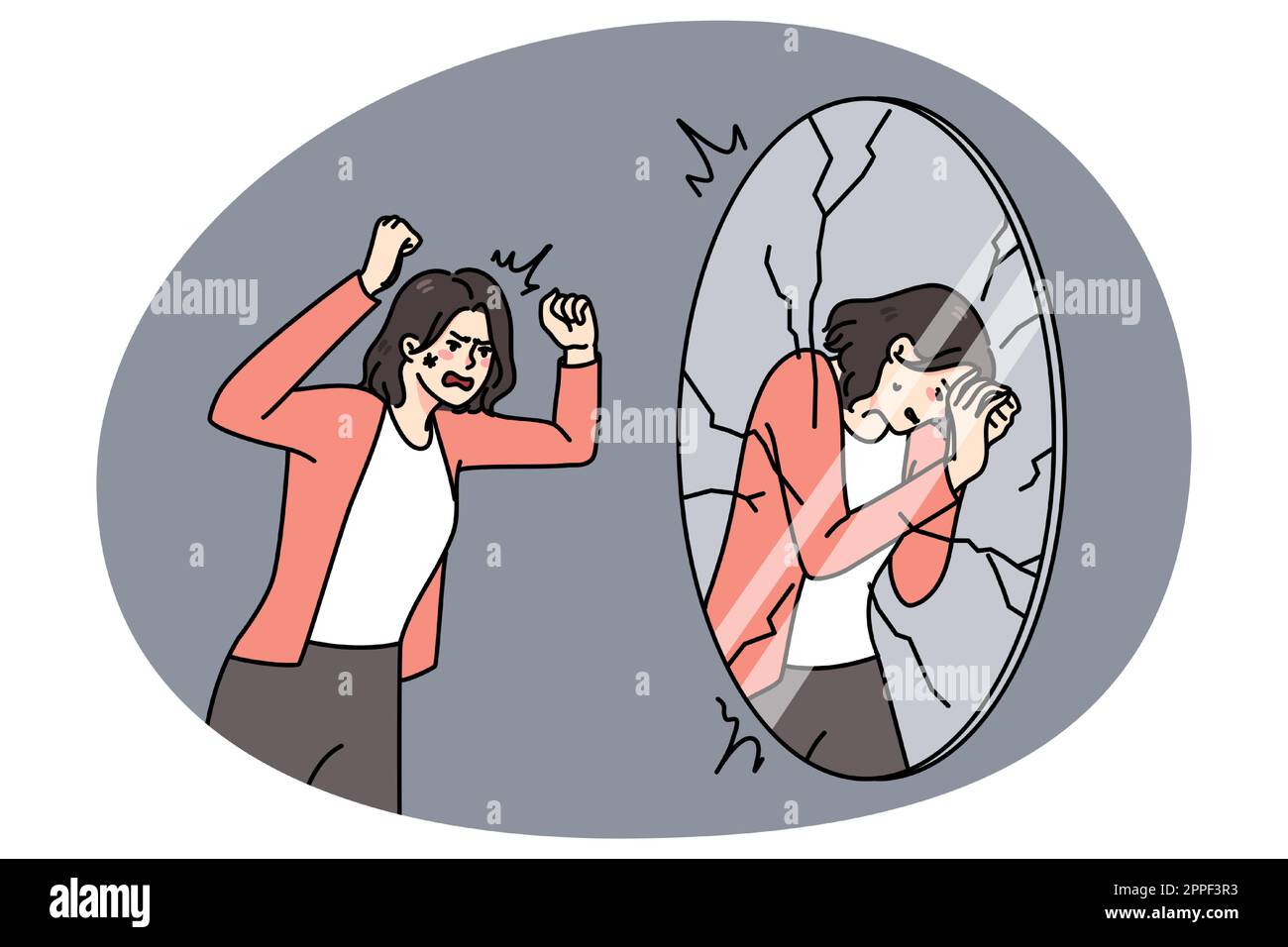
The "unconventional" truth is that AI is a mirror. It amplifies what you bring to it. If you bring curiosity, it provides knowledge. If you bring malice, it provides a sounding board for that malice.
The legal system is being used as a tool for emotional catharsis. It’s easier to hate a faceless corporation in San Francisco than it is to ask why a teenager was isolated enough to find his only confidant in a silicon-based statistical model. We are litigating the symptoms because the cure—fixing the social fabric—is too expensive and too difficult.
The Real Danger is Human Deference
The problem isn't that AI is a "bad influence." The problem is that we have raised a generation to be so subservient to screens that they treat a text box as an oracle.
Instead of suing the developers, we should be scrutinizing the "AI Deference" phenomenon. Why are users attributing authority to a system that explicitly tells them it can hallucinate? This isn't a software bug; it's a cultural failure. We have outsourced our critical thinking to algorithms, and now we are shocked when those algorithms don't have a soul to guide us.
If we want to prevent future tragedies, the answer isn't more "alignment" layers that make GPT-4 sound like a HR manual. The answer is re-establishing the boundary between the tool and the agent.
Actionable Reality
If you are a regulator or a concerned citizen, stop looking for "off switches."
- Accept the Risk Floor: You cannot have a useful AI without the possibility of it saying something harmful. That is the trade-off. Accept it or go back to the typewriter.
- Shift Liability to the Actor: The person who pulls the trigger or writes the prompt is the only person with moral agency.
- Fund Human Intervention: Take the billions currently being funneled into "AI Ethics" departments and put them into community mental health programs. An AI can't stop a shooter, but a parent, a teacher, or a friend who is actually paying attention might.
The attempt to sue OpenAI isn't an act of justice. It is an act of technological sabotage. If we allow these lawsuits to succeed, we aren't protecting children; we are ensuring that the next generation grows up in a world where the most powerful tools ever invented are crippled by the fear of a courtroom.
Stop blaming the code for the rot in the heart.
The chatbot didn't pull the trigger. The chatbot didn't buy the gun. The chatbot didn't ignore the warning signs for three years. A human did. Start there.