The headlines are predictable, lazy, and flat-out wrong every single dry summer in Britain.
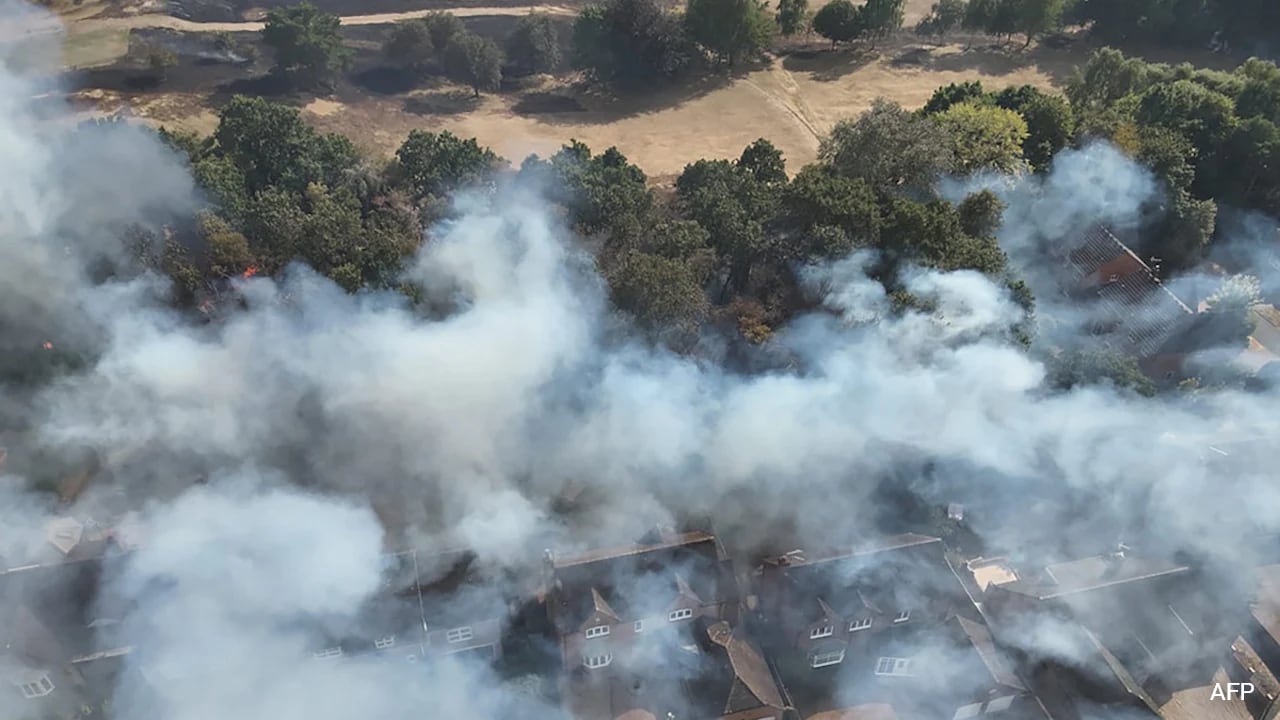
A patch of gorse catches fire, smoke drifts over a suburban estate, and the media wheels out the standard panic narrative. We get breathless reports about freak weather, historic heatwaves, and an unprecedented climate emergency turning our green and pleasant land into a Mediterranean inferno. Residents are evacuated. Firefighters are stretched. Everyone nods along to the tragic inevitability of nature turning against us. Don't miss our earlier article on this related article.
It is a comfortable fiction. It lets policymakers off the hook, excuses decades of institutional complacency, and completely ignores the actual mechanics of why parts of the United Kingdom are going up in smoke.
Blaming the sun for a wildfire is like blaming gravity for a plane crash caused by a missing wing. To read more about the context here, The Guardian offers an informative breakdown.
The Consensus is Broken
Let us dismantle the core myth right away: British wildfires are rarely acts of pure meteorological aggression. They are human-made disasters born from catastrophic land management, absurd bureaucratic red tape, and a complete refusal to look at hard ecological science.
For generations, traditional stewards of the countryside understood a fundamental rule of fire ecology. Fuel builds up. If you do not remove the fuel, nature will remove it for you, and nature does not care about your property values.
Instead of allowing controlled, low-intensity burns during safe windows in the cooler months, modern conservation policy has drifted into a state of passive preservation. We locked up the landscape. We treated every acre of moorland and heath as a museum exhibit that must never be touched.
The result? A massive, uninterrupted carpet of tinder-dry dead grass, dense bracken, and overgrown heather sitting right next to expanding residential developments. When a spark hits that environment—whether from a discarded glass bottle, a carelessly tossed cigarette, or a disposable barbecue—you do not get a manageable brush fire. You get an uncontrollable energy release that standard fire engines cannot touch.
The Housing and Planning Blind Spot
We need to talk about where we build houses and how we let them interact with the surrounding countryside.
Developers are allowed to slap suburban estates right up against volatile scrubland with zero defensible space buffering the perimeter. We see communities squeezed into the wildland-urban interface with a single access road, zero fire breaks, and wooden fencing that acts like a fuse leading straight to people's living room windows.
When the inevitable happens, the evacuation drill becomes front-page news. But why are we building homes in high-risk zones without mandating non-combustible landscaping, stone perimeters, and proper clearance zones?
In parts of Australia and California, building codes in fire-prone regions are brutally strict. You clear the perimeter. You use ember-resistant vents. You design roofs that do not trap wind-driven sparks. In the UK, we build standard suburban housing tracts, cross our fingers, and pray for rain. That is not planning. That is rolling dice with people's lives.
The Bureaucracy of Prevention
Ask any upland manager or gamekeeper about why fuel loads are out of control, and you will hear a story about bureaucratic strangulation.
Controlled burning, often called muirburn on heather moors, used to be the primary tool for reducing wildfire risk. By periodically burning small, mosaic patches of older vegetation, land managers created natural firebreaks. They stopped large fires in their tracks because there simply was not enough continuous fuel to sustain them.
Then came the pressure groups and urban-centric policymakers who watched a video of a smoky moorland and decided burning must be evil. Restrictions multiplied. Permitting windows shrank to absurdly narrow margins. Fines and legal hurdles piled up.
The ironic result? By banning controlled, low-temperature burns, we guaranteed catastrophic, high-temperature mega-fires. We traded small, manageable puffs of smoke for apocalyptic walls of flame that incinerate soil microbiology, sterilize the earth, and release massive carbon spikes into the atmosphere.
What Actually Needs to Happen
If we want to stop evacuating towns and watching homes burn down, we have to drop the emotional hysteria and adopt ruthless operational pragmatism.
First, empower the land managers. Give traditional stewards the legal freedom and seasonal flexibility to carry out prescribed burns and targeted grazing. Sheep and cattle are better fire prevention tools than a fleet of helicopters, because they eat the fine fuels before the summer heat even arrives.
Second, rewrite building regulations for the countryside edge. Any new housing development approved near heath, moor, or dense forest must incorporate mandatory defensible space. If you want to build a luxury home next to a dry heather moor, your property line needs a wide gravel or stone perimeter, fire-rated windows, and strict vegetation management covenants.
Third, stop treating every wildfire like an unpredictable act of God. It is a predictable math problem. Fuel load plus ignition source plus oxygen equals fire. If you cannot control the ignition sources—because people will always drop cigarette butts and leave glass behind—you must relentlessly control the fuel.
Until local authorities, environmental agencies, and the media start holding land policy accountable instead of blaming the thermometer, the smoke will keep returning.