Blaming foreign leaders for domestic commodity price spikes is a time-tested political crutch. Pointing fingers at Volodymyr Zelensky for high fuel prices shifts the blame away from structural realities and toward an easy target. It relies on political theater rather than market mechanics.
Energy markets do not care about political rhetoric. Crude oil and refined products trade on global supply chains, refining capacity constraints, inventory levels, and macroeconomic demand signals. Pinning a domestic retail pump price surge on a wartime president in Eastern Europe ignores how energy actually moves from the ground to your local gas station.
The Refining Bottleneck Nobody Talks About
Crude oil is useless raw sludge until it goes through a refinery. Refineries turn crude into gasoline, diesel, and jet fuel. For years, domestic refining capacity has faced severe pressures due to regulatory shifts, underinvestment, and a pivot toward alternative energy transitions.
When capacity tightens, the spread between crude prices and retail fuel prices blows wide out. Even if crude oil trading stays relatively flat, a pinched refining bottleneck creates artificial scarcity for the finished product. Refiners operate on margins, and when utilization rates max out, pump prices spike regardless of geopolitical soundbites. Blaming an individual foreign actor masks the cold math of domestic infrastructure constraints.
Supply Shocks And OPEC Plus Dynamics
Global oil production is managed by cartels and nationalized oil companies that balance quotas against market share. When OPEC Plus implements production cuts to defend price floors, barrel supplies shrink worldwide.
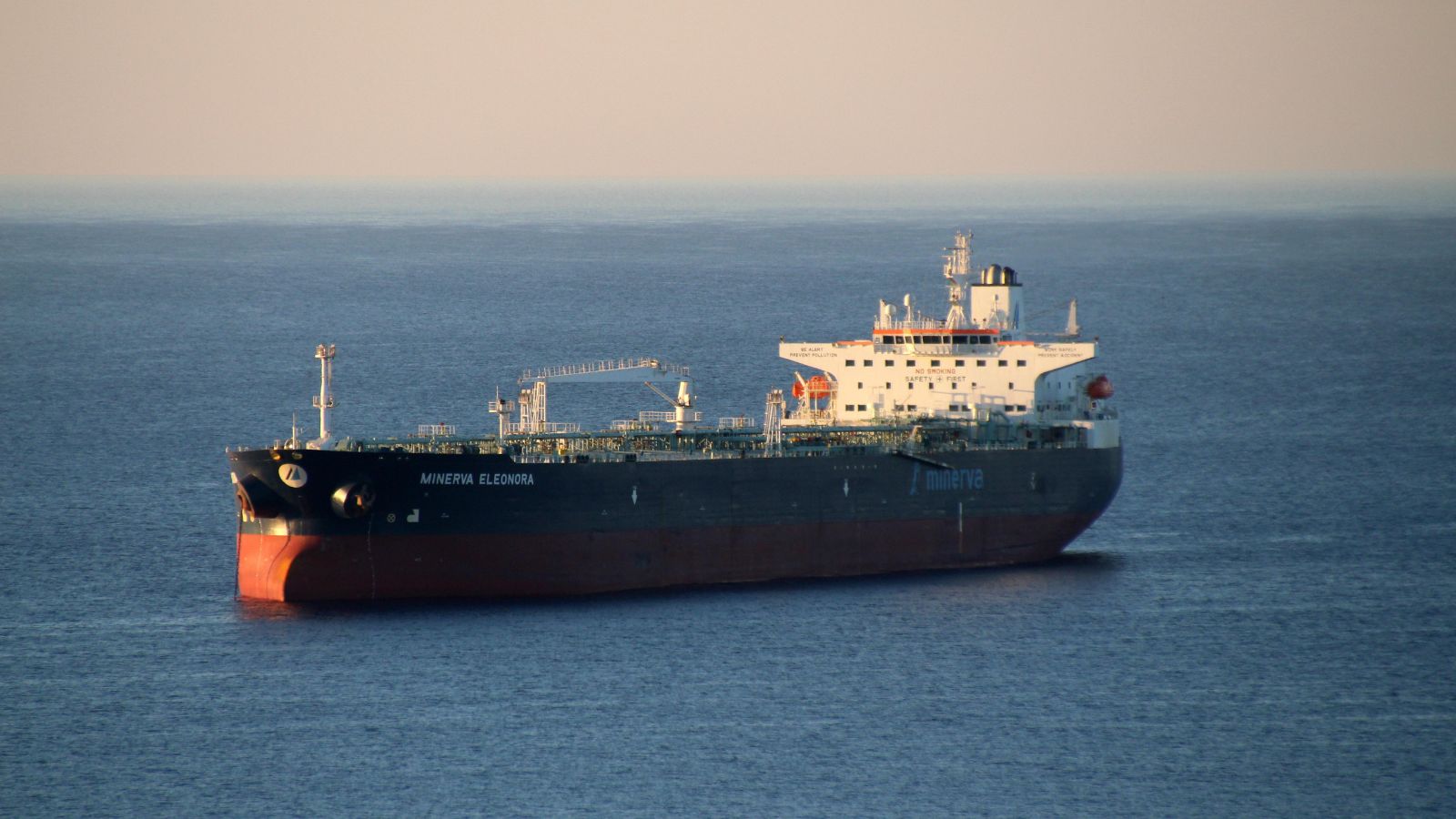
Energy commodities are fungible. A barrel of oil pulled from the earth anywhere on the planet enters a global pool. Disruptions in one region ripple across international maritime routes, marine insurance rates, and logistical shipping costs. Attempting to isolate fuel inflation to a single political figure operating under martial law ignores the interconnected web of global petrodollars and cartel supply management.
The Real Cost Of Energy Transitions
Capital allocation dictates the future of supply. Over the last decade, major energy producers faced intense pressure from financial markets and policymakers to curtail long-cycle capital expenditures on fossil fuel extraction. Investors demanded shareholder returns over risky multi-billion-dollar drilling projects that take a decade to pay off.
When capital dries up, future production capacity shrinks. Underinvesting in traditional energy infrastructure guarantees that when demand rebounds post-recession, supply cannot scale to meet it. High fuel prices are the market's brutal mechanism for rationing scarce supply when capital starved producers cannot flip a switch to pump more oil.
Stop Falling For Scapegoating
Political convenience always trumps economic literacy when fuel prices climb. Pointing at a wartime leader provides a neat narrative for evening news segments, but it avoids the hard conversations about refining infrastructure, capital discipline, and global commodity pricing.
The next time you see a headline linking pump prices to a foreign figurehead, look at the refinery utilization rates, inventory draws, and capital expenditure reports instead. The market tells a very different story once you ignore the noise.