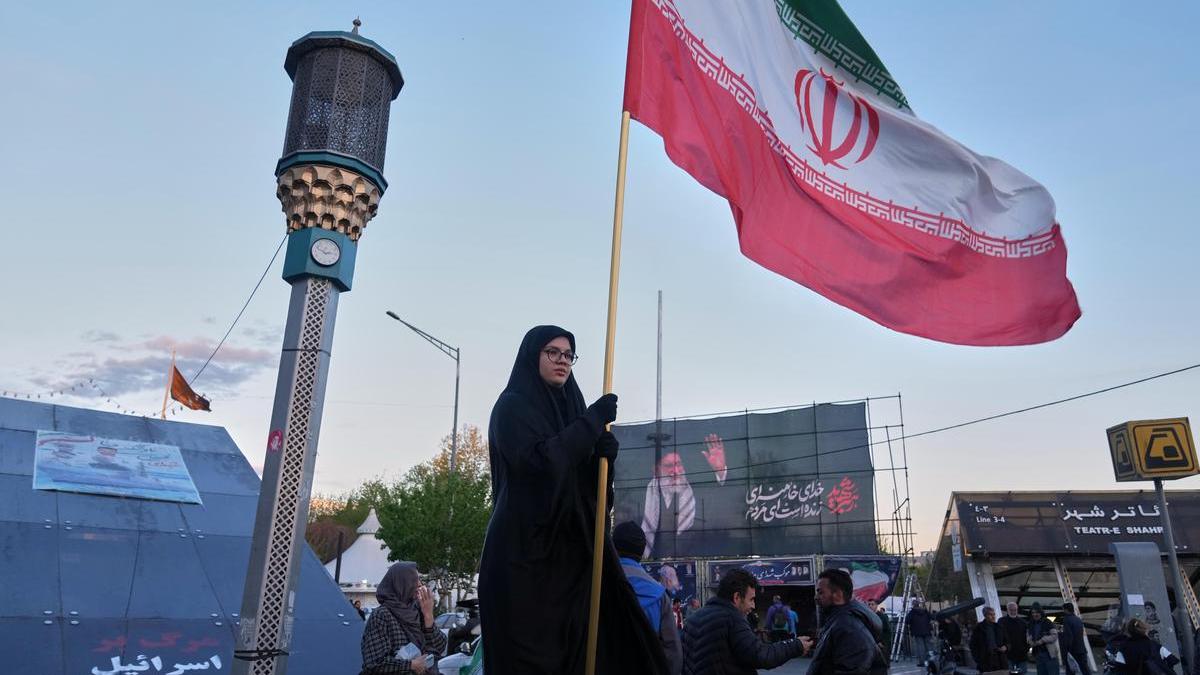
In a small, dimly lit office in New Delhi, a career diplomat stares at a television screen. The volume is muted. He doesn’t need the sound to understand the gravity of the flickering ticker tape. For weeks, his phone had been a source of constant, vibrating anxiety, carrying updates about escalating tensions thousands of miles away. But today, the scrolling text brings a different kind of electricity to the air.
Iran and the United States have agreed to a ceasefire.
For the casual observer, this is a headline about a distant geopolitical chess match. For India, it is a sudden, cooling rain after a heatwave that threatened to set the house on fire. To understand why New Delhi reacted with such visceral relief, you have to look past the dry press releases and see the invisible threads—oil, gold, and the safety of millions—that bind the Indian subcontinent to the Persian Gulf.
Imagine a merchant in Mumbai named Arjun. This is a hypothetical scenario, but Arjun represents a very real demographic of Indian business owners. He imports dried fruits and saffron from Iran and exports basmati rice in return. When the drums of war beat louder, Arjun’s world shrinks. Shipping insurance spikes. Banks freeze up. The "Chabahar Port"—India's strategic gateway to Central Asia—becomes a ghost project in his mind, a dream deferred by the looming shadow of missiles. When the ceasefire was announced, Arjun didn't read a policy paper. He simply went home and told his wife that their business might survive the year.
India’s official response was polished and predictable, emphasizing the virtues of "dialogue and diplomacy." Yet, beneath that starched language lies a desperate necessity. India is not a bystander in the Middle East. It is a stakeholder with everything to lose.
The Energy Artery
The math of Indian survival is written in barrels of oil. While the nation has made strides in renewable energy, the engine of its massive economy still runs on fossil fuels, a significant portion of which must pass through the narrow, volatile Strait of Hormuz.
A conflict between Washington and Tehran isn't just a political headache; it is a direct threat to the fuel tank of every tractor in Punjab and every delivery bike in Bangalore. When tensions rise, global oil prices don't just climb—they leap. For a country like India, where inflation is a political third rail, a sustained spike in crude prices can lead to empty plates and public unrest.
By welcoming the ceasefire, New Delhi isn't just being "diplomatic." It is protecting the price of a loaf of bread.
The Human Shield
Consider the sheer scale of the Indian diaspora. Nearly nine million Indians live and work in the Gulf region. They are the backbone of the construction crews in Dubai, the nurses in Kuwait, and the engineers in Riyadh. They send back billions of dollars in remittances every year, a financial lifeline that keeps the Indian economy buoyant.
If the sparks between the U.S. and Iran had caught fire, these nine million people would have been standing in the furnace. India remembers 1990. It remembers the Herculean effort required to evacuate over 170,000 citizens from Kuwait during the Gulf War. The logistical nightmare of trying to move millions of people out of a combat zone today would be unprecedented in human history.
The ceasefire means nine million families can stop checking the news every hour. It means the Indian government can stop drafting evacuation plans that they secretly hope they never have to use.
The Strategic Tightrope
For decades, India has mastered the art of the strategic tightrope. It maintains a "Comprehensive Strategic Partnership" with the United States, sharing concerns about a rising China and collaborating on high-tech defense. Simultaneously, it holds a deep, historical bond with Iran, a country that offers India a bypass around Pakistan to reach the markets of Afghanistan and beyond.
When these two giants clash, India is forced to choose. And India hates choosing.
Every time a U.S. administration tightens sanctions on Tehran, New Delhi has to plead for waivers or find creative, often exhausting ways to pay for Iranian energy without triggering American wrath. It is a diplomatic exhaustion that wears down even the most seasoned bureaucrats.
The ceasefire acts as a temporary release valve. It allows India to breathe. It provides a window where New Delhi doesn't have to explain its friendship with Iran to a frustrated State Department, nor does it have to explain its proximity to Washington to a skeptical Tehran.
The Silence of the Guns
There is a specific kind of silence that follows a ceasefire. It isn't the silence of peace—not yet. It is the silence of an opportunity.
India’s insistence on "diplomacy" is often mocked by hawks as a sign of weakness or indecision. But for a nation focused on pulling hundreds of millions of people out of poverty, war is a luxury it cannot afford to support. Peace is the only environment where India’s ambitions can actually grow.
The ceasefire is a fragile thing. It is a bridge made of glass. But for the diplomat in Delhi, the merchant in Mumbai, and the nurse in the Gulf, it is the only ground they have to stand on.
As the sun sets over the Arabian Sea, the ships continue to move through the Strait. The oil keeps flowing. The remittances continue to clear. The crisis hasn't been solved, but it has been paused. And in the high-stakes world of global power, sometimes a pause is the greatest victory of all.
The diplomat finally turns off the television. He picks up his briefcase and walks out into the humid Delhi evening. The traffic is loud, chaotic, and beautiful. It is the sound of a country that is still moving, because somewhere far away, the shouting has finally stopped.


