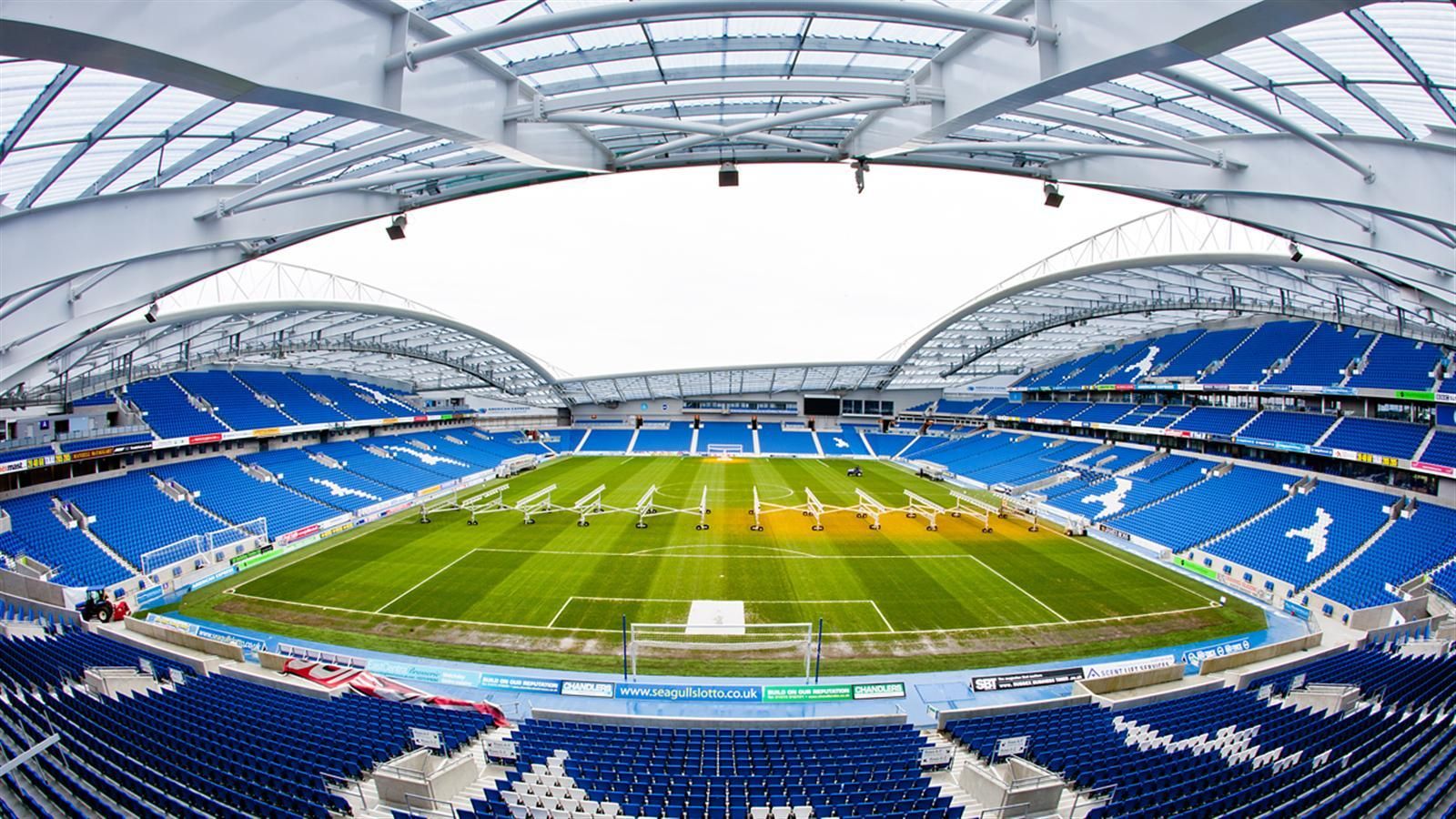
Stop waiting for women’s football to "arrive" because it’s already here, and Brighton & Hove Albion just proved it by dropping a £80 million hammer on the table. On April 28, 2026, the club officially confirmed plans to build Europe’s first purpose-built stadium specifically for women. We aren't talking about a refurbished non-league ground or a hand-me-down stadium in a remote suburb. This is a 10,000-capacity, elite-level arena situated right next to the Amex Stadium at Bennett’s Field.
It’s about time. For years, Women's Super League (WSL) teams have bounced between secondary venues that often lacked the infrastructure to support professional athletes. Brighton’s move changes that narrative entirely. By designing a stadium "built for her," the club is ignoring the old "shrink it and pink it" philosophy. They're actually looking at what female players and their specific fanbases need to thrive.
Breaking ground at Bennett's Field
The location choice is a masterstroke of logic. Bennett’s Field, a site the club grabbed back in 2025, sits immediately adjacent to the American Express Stadium. This isn't just about geography; it’s about shared energy. A new bridge link will physically connect the two stadiums, allowing fans to move between venues and share facilities like the club shop, ticket office, and hospitality suites.
Most people don't realize how much the sloping terrain of Bennett’s Field actually helps the design. Architects are using that natural grade to tuck parking facilities underground while keeping spectator access completely level and easy to navigate. It’s smart engineering that maximizes a tight footprint. The goal is to have the turnstiles clicking by the start of the 2030-31 season.
What built for her actually means
Usually, when a women's team plays in a "men's" stadium, everything is an adaptation. Brighton is ditching that. This stadium is one of only three in the world—and the only one outside the USA—designed from the soil up for female athletes.
The technical specs are impressive:
- Bespoke Performance Zones: Changing rooms and recovery spaces are designed specifically for the needs of women, rather than being retrofitted male spaces.
- Family-First Concourse: The club recognized that women’s football pulls a different demographic. Expect wider concourses and social spaces that don't feel like a claustrophobic concrete bunker.
- Pitch Standards: The playing surface will meet the highest elite standards, ensuring the quality of play isn't hampered by the "second-class citizen" turf issues that often plague shared venues.
Tony Bloom, the club’s chairman, is footing the bill himself. We’re talking a £75 million to £80 million investment without seeking outside help. That’s a loud statement. It says the women's game is a core business, not a charity project or a PR exercise.
Why size matters for sustainability
You might wonder why they aren't aiming for 30,000 seats. Honestly, 10,000 is the "right size" for the current WSL growth curve. It creates a pressurized, loud atmosphere that looks great on TV and feels electric for the fans in the stands. A half-empty 30,000-seat stadium kills the vibe; a packed 10,000-seat arena builds a culture of "must-have" tickets.
This permanent home gives the team an identity. It allows them to host academy and development fixtures in a professional environment, giving young players a taste of what the top level actually looks like. This isn't just a building; it’s a talent magnet. If you're a world-class player choosing between clubs, are you going to the one with the purpose-built arena or the one playing at a local rugby ground?
The road to 2030
The announcement didn't happen in a vacuum. It came right after Brighton took down WSL leaders Manchester City. The momentum is real. Now, the focus shifts to the planning applications with Brighton and Hove City Council and Lewes District Council.
If you want to support this shift, start showing up. The club expects this project to create local jobs and apprenticeships, but the real payoff is on the pitch. Keep an eye on the planning stages over the next year—this is the blueprint for how every major club in Europe will eventually have to operate if they want to stay relevant in the women's game.
Don't just watch the matches. Look at the infrastructure. The future of the sport isn't just about who's scoring goals; it's about who's building the houses they score them in. Brighton just broke the mold.